India says three of its nationals were killed after a US strike on the Palau-flagged MT Settebello off Oman, prompting a formal protest to Washington.
India said three Indian seafarers were killed after a US strike on the Palau-flagged tanker MT Settebello in the Gulf of Oman, turning an incident in one of the world’s most sensitive shipping corridors into a diplomatic dispute with Washington.
The deaths were confirmed by India’s shipping minister, Sarbananda Sonowal, after the crew members had first been reported missing. Earlier coverage said 21 of the vessel’s 24 Indian seafarers were rescued while three remained unaccounted for.
The case has sharpened concern in New Delhi because the victims were Indian nationals working on an international commercial vessel, not a military target, in a region already under strain from escalating US-Iran exchanges.
Chronology of the incident
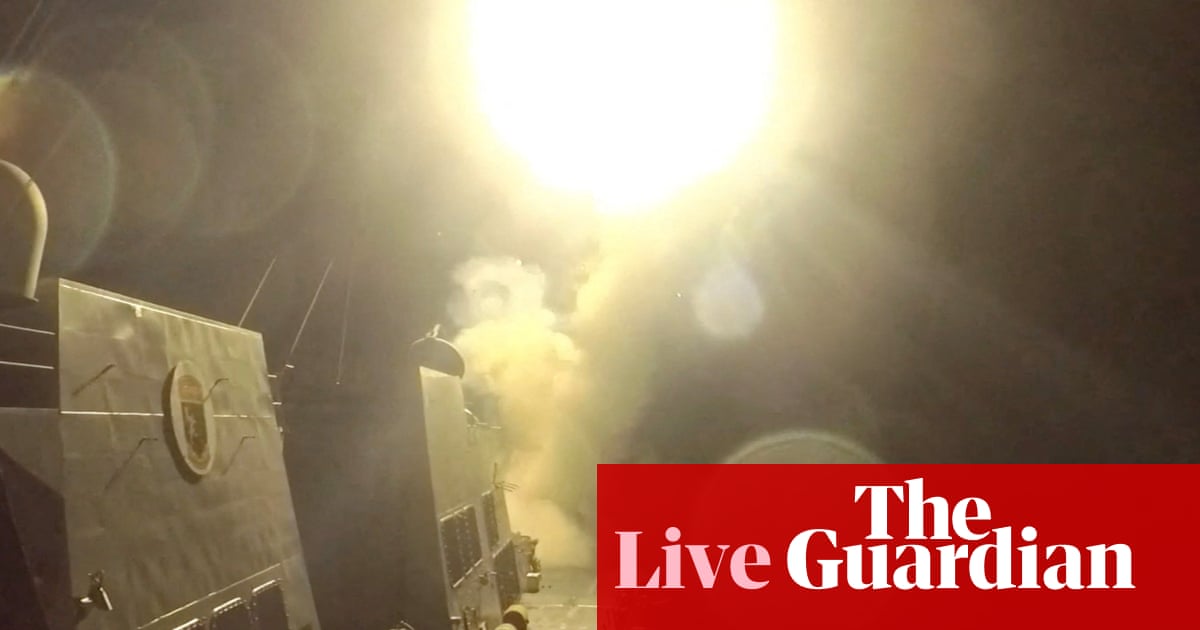
According to live coverage cited by The Guardian, the tanker was struck after the US Central Command said the vessel violated an ongoing blockade on Iranian ports. CENTCOM said the ship was disabled at 11:14 p.m. on June 9 and that precision munitions were later fired into its engine room after the crew repeatedly failed to comply with directions from American forces.
Indian reporting initially described three crew members as missing after the attack off Oman. That changed when authorities located and identified the bodies of the missing seafarers, confirming their deaths.
The vessel was identified as the MT Settebello, a Palau-flagged tanker operating in the Gulf of Oman near the Strait of Hormuz, a route that is central to global oil and merchant shipping.
India’s response
India summoned the US chargé d’affaires in New Delhi to protest the attack and seek clarification, according to Indian media reports quoting officials.
The move shows how quickly the incident has become more than a shipping story. For India, the immediate issue is the safety of its seafarers and the decision to use force against a commercial ship with Indian crew on board.
The Ministry of External Affairs has separately said the situation in West Asia is deeply worrisome and that it is tracking the safety of Indian crew members in the region.
Why the case matters
The Gulf of Oman and the Strait of Hormuz are vital routes for energy shipments and commercial traffic. Any new disruption there can raise risks for insurers, shipping operators and crews already navigating a tense security environment.
India has a large seafaring workforce employed across international shipping, which makes regional conflict particularly relevant for Indian families and employers even when vessels are not Indian-flagged.
The deaths also add a direct bilateral dimension. New Delhi now has to weigh whether to press Washington for a fuller explanation, compensation or a formal inquiry into the strike.
What remains unclear
The main unresolved question is what cargo the MT Settebello was carrying when it was hit. That detail has not been confirmed in the reporting so far.
It is also not clear whether the US government will issue any public explanation beyond the CENTCOM account, or whether India will pursue additional diplomatic steps after its initial protest.
The broader backdrop remains the widening US-Iran confrontation at sea. India is monitoring not only this incident but also the wider threat to shipping as the regional conflict continues to ripple through one of the world’s most important maritime chokepoints.
Revision note
Initial publication expanded to cover confirmed deaths, chronology, India’s protest, regional context, and unresolved questions.