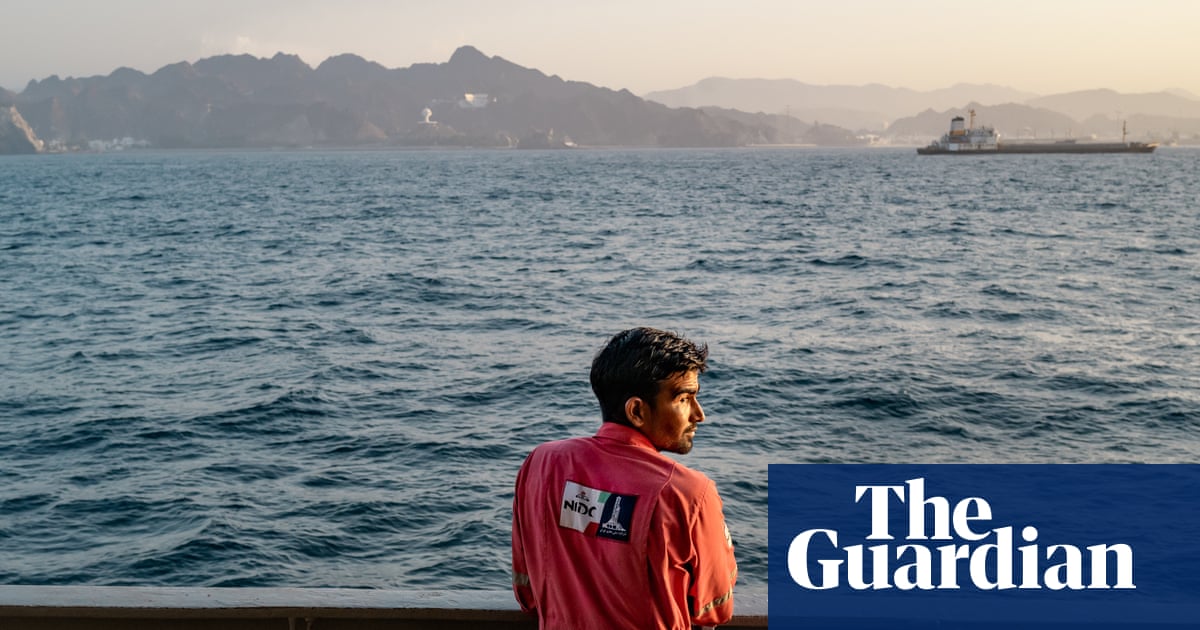
NYK Line CEO Takaya Soga said shipping through the Strait of Hormuz will stay well below normal for months because mine risks and narrow safe corridors are slowing any return to prewar traffic. The warning follows the June 17 U.S.-Iran agreement, limited carrier resumptions and renewed security incidents in the waterway.
Shipping through the Strait of Hormuz is likely to remain well below normal for months, according to NYK Line chief executive Takaya Soga, who warned that mine risks and the narrowness of the available sea lanes will slow any return to prewar traffic.
The warning points to a partial, cautious reopening rather than a rapid normalization, even after the June 17 U.S.-Iran agreement that was meant to restore traffic through the strait. The Financial Times reported Soga's comments on June 28, describing a market still operating under severe security constraints.
Hormuz is one of the world’s most important maritime chokepoints, and any prolonged slowdown there affects energy shipments, container flows, freight rates and insurance pricing across Asia, Europe and the Gulf. For shipping companies, the problem is not only whether ships can move, but whether they can do so with enough confidence to justify broader resumption.
Mines and narrow corridors
The core obstacle is the physical risk in the water. The FT reported that Iran is estimated to have laid about 80 mines in the main shipping lanes, citing International Maritime Organization secretary-general Arsenio Dominguez.
That has left only narrow corridors for passage, including routes near Larak Island on the Iranian side and near Oman. Soga said those limits mean traffic is likely to stay below half of prewar levels for a while, even if some vessels are able to transit.
The report also said the available lanes are too constrained for a fast return to normal operations. In practical terms, that means carriers are weighing each sailing against the risk of delay, rerouting or worse, rather than treating the strait as fully reopened.
What carriers are doing
Some shipping lines have started moving again, but only selectively. NYK, Cosco and Grimaldi have resumed limited passage through the strait, showing that the waterway is not fully closed while also underscoring how cautious operators remain.
NYK sent the tanker Tenzan through the strait on June 19, two days after the agreement took effect. That passage was an early sign that some traffic could resume, but it did not signal a broad return of normal volumes.
Allianz has estimated that the disruption has stranded more than 1,200 cargo ships carrying goods worth about $125 billion. That scale helps explain why even a partial reopening matters, and why insurers, freight planners and port operators are treating the recovery as a slow process rather than a single event.
Agreement vs. reality
The June 17 U.S.-Iran agreement reportedly called for traffic through the strait to return to prewar volume within 30 days once mines are neutralized. The shipping industry now appears to view that timetable as optimistic.
The problem is the gap between a political or military agreement and the time needed to make a dangerous waterway usable again. Even if the shooting has eased, operators still have to navigate mine risks, restricted sea lanes and the possibility of fresh attacks.
That gap is the reason the current recovery looks uneven. Ships are moving, but not in numbers that would resemble a normal operating environment.
Iran's stance and failed evacuation plan
Iran has rejected a UN-backed plan, supported by Oman and the International Maritime Organization, to create temporary evacuation routes around mined waters, according to The Guardian. The refusal leaves shipowners with fewer options for a quicker restart.
The Iranian Revolutionary Guards have also said coordination with their naval force is mandatory for vessels transiting the strait and warned against unauthorized routes. That position makes the reopening more dependent on political and military clearance than on commercial demand alone.
The result is a fragile corridor in which every transit is still shaped by security rules, not just by shipping schedules. For carriers, that means the decision to sail remains constrained by state control over the waterway.
Fresh incidents keep caution high
Confidence in the route was shaken further on June 27, when UK Maritime Trade Operations reported that a tanker in the strait had been hit by an unidentified projectile.
That incident came after earlier regional tensions and reinforced the view that the security picture remains unstable even as some vessels begin to move again. In that environment, one more strike or alert could quickly delay broader resumption.
The situation also complicates insurance and risk assessment. Underwriters and ship operators typically need sustained calm before they can justify wider route openings, and recent incidents work against that.
What to watch next
The most important question is whether mine clearance begins in earnest and whether the 30-day restoration target in the agreement can be met in any meaningful way.
Another is whether Iran continues to require coordination with its naval forces for transit. If that demand holds, the strait may remain only partially open even if direct conflict does not resume.
Carriers will also be watching for more UKMTO alerts or vessel incidents. A second hit on a commercial ship could unsettle the fragile recovery and push operators back toward caution.
For now, the evidence points to a slow and incomplete reopening of the Strait of Hormuz, with shipping traffic likely to stay constrained for months rather than days.
Revision note
Initial automated publication.