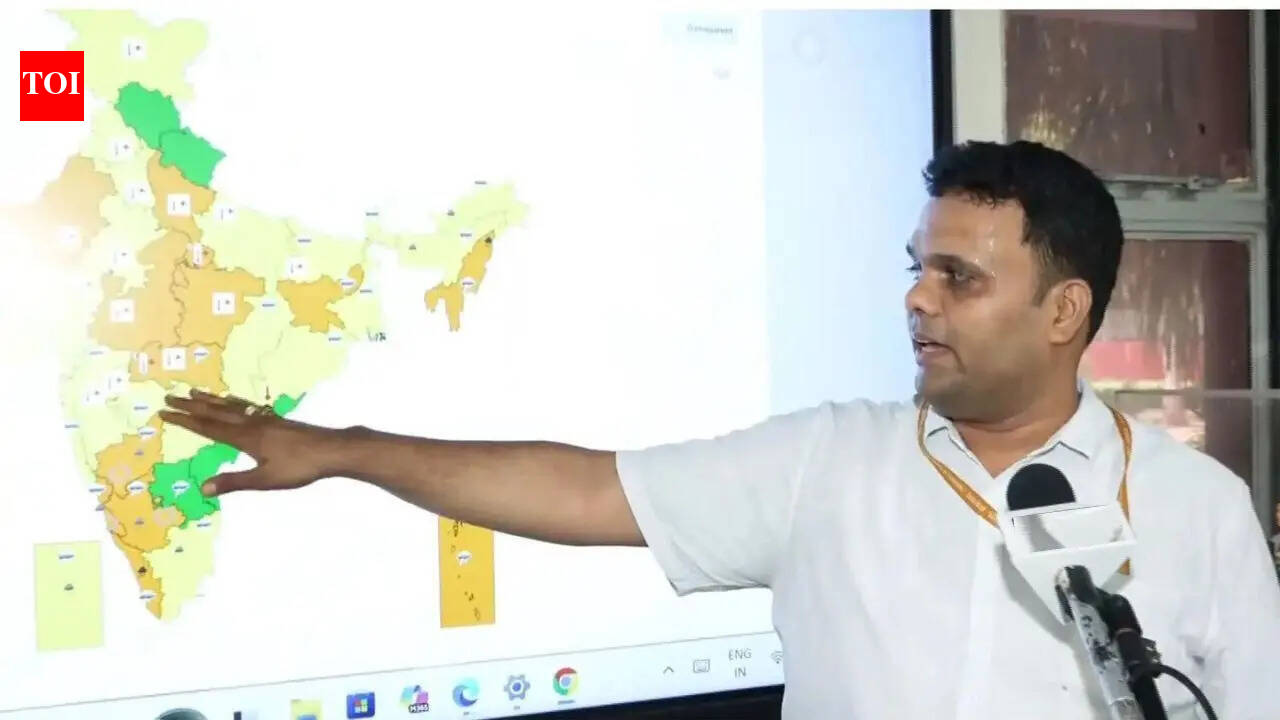
India’s Ministry of Ayush, through the DGHS Ayush vertical, has issued a public health advisory on extreme heat and heatwave conditions, warning that heatstroke is a medical emergency and urging hydration, shade, light clothing and careful monitoring of official alerts.
India’s Ministry of Ayush has issued a public health advisory on extreme heat and heatwave conditions, as temperatures rise across parts of the country.
The advisory, released through the Ayush vertical under the Directorate General of Health Services in coordination with the Ministry of Ayush, urges people to stay hydrated, avoid direct sun during peak hours, wear light cotton clothing and keep track of India Meteorological Department heatwave alerts.
It also highlights that infants, children, pregnant women, older adults, outdoor workers and people with chronic illnesses face higher risk during periods of extreme heat.
The guidance calls for shaded rest areas, hydration breaks and acclimatization measures for workers. It also advises advance planning for public gatherings and sports events so organisers can reduce heat-related health risks.
The ministry says heatstroke is a medical emergency. Severe cases should be treated urgently, with the advisory directing people to emergency helplines 108 and 102.
The release was published by the Press Information Bureau on May 18, 2026, and was later echoed by other outlets including The Times of India and Devdiscourse, which reported the same core precautions and warnings for vulnerable groups.
What the advisory says
The advisory asks people to:
- drink water regularly, even if they do not feel thirsty
- avoid unnecessary exposure to direct sunlight in the hottest part of the day
- wear loose, light-coloured cotton clothing
- watch for official weather warnings and heatwave alerts
- take special care of children, the elderly and people with underlying health conditions
It also recommends practical precautions at workplaces and mass gatherings, including breaks in shaded areas and planned hydration access.
With the advisory now public, the immediate next step is likely to be follow-up implementation by institutions, employers and event organisers in areas facing severe heat.
Revision note
Initial automated publication.