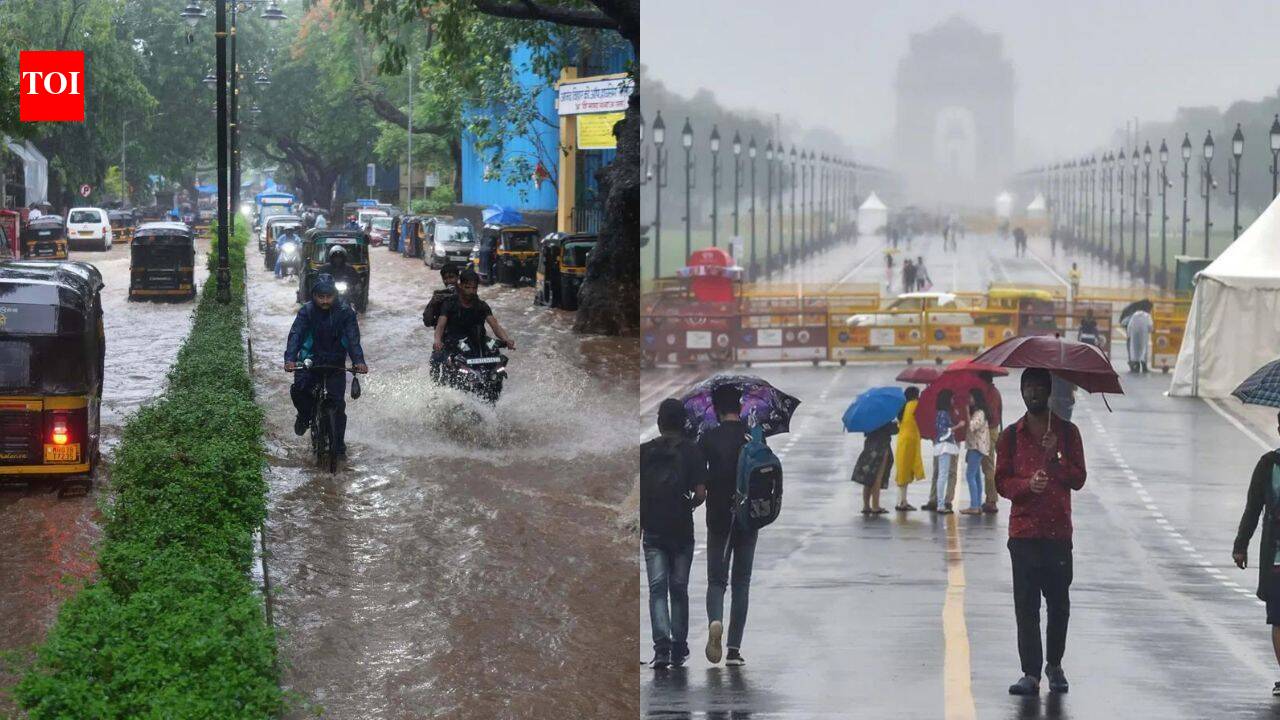
The southwest monsoon reached Delhi on July 2, bringing rain to the capital and spreading heavy weather across northwestern India. Reporting cited IMD warnings for thunderstorms, gusty winds and heavy downpours in Delhi-NCR and beyond.
The southwest monsoon reached Delhi on July 2, bringing rain to the capital and widening weather disruption across northwestern India, according to same-day reporting citing the India Meteorological Department.
The arrival marked a notable shift in conditions after weeks of heat and humidity in Delhi-NCR. Reporting said the onset came about five days later than Delhi’s usual June 27 monsoon date and was the city’s first July monsoon onset since 2021.
Rain fell across parts of Delhi-NCR through the day, offering some relief from the heat even as streets and travel conditions turned unsettled. Same-day reports described heavy rain, strong winds and cloudy skies in several parts of the city.
Delhi’s onset and the immediate impact
The monsoon’s arrival in Delhi was the key weather development of the day. Times of India reported that the southwest monsoon finally reached the city on July 2, while other outlets described rain already affecting multiple neighborhoods in the capital region.
Economic Times reported that the IMD issued a red alert for thunderstorms and heavy rainfall in Delhi-NCR. Reporting also said strong surface winds were part of the forecast, adding to the risk of difficult commute conditions.
For residents, the main short-term effects were familiar monsoon problems: waterlogging, slower traffic and disruption to daily travel. The reporting did not confirm large-scale damage in Delhi itself, but it did indicate that the weather pattern was active enough to raise immediate caution.
What the IMD-backed forecasts said
Coverage citing the IMD said Delhi, Haryana and Punjab were expected to see active monsoon conditions from July 2, with widespread rain, isolated heavy downpours, thunderstorms, lightning and gusty winds of around 40 to 50 kmph.
That forecast matters because it points to more than a single rain event. The pattern described by the IMD-backed reporting suggests a broader spell of unstable weather across northwestern India rather than a brief local shower.
Navbharat Times reported that several parts of Delhi saw heavy rain and strong winds, while Times of India said the monsoon arrival in the capital was part of a wider spread across northern and western states.
Spillover across western and central India
The same weather system was also affecting or expected to affect Maharashtra, Goa, the Konkan coast, south Gujarat and parts of central India. Reporting said heavier rainfall was continuing in the western and central belt even as the monsoon reached Delhi.
Mumbai was under an orange alert in the reporting cited from the IMD, underscoring how quickly the system had expanded beyond the capital region. Rain and thunderstorms were also being tracked in nearby areas including Uttarakhand and Himachal Pradesh.
That wider spread raises the risk of localized flooding, travel delays and, in hill areas, landslides. Even where rainfall is welcome after a hot spell, the immediate public-impact questions are about transport, drainage and whether the stronger rain band holds in place.
What to watch next
The next few days will show whether the IMD extends or upgrades alerts for Delhi-NCR and how long the heavier rain pattern persists across northwestern India. The research packet points to July 2 through July 5 as the main window for intensified monsoon conditions.
Authorities and commuters will be watching for further reports of waterlogging, road disruption and any serious rain-related incidents. The same weather system was already being monitored across multiple states, so the immediate story is not just Delhi’s monsoon onset, but the broader regional impact that followed it.
For now, the verified public-health and travel takeaway is straightforward: Delhi has entered its monsoon season, and the first strong pulse of rain is already affecting a wide stretch of northern, western and central India.
Revision note
Initial automated publication.