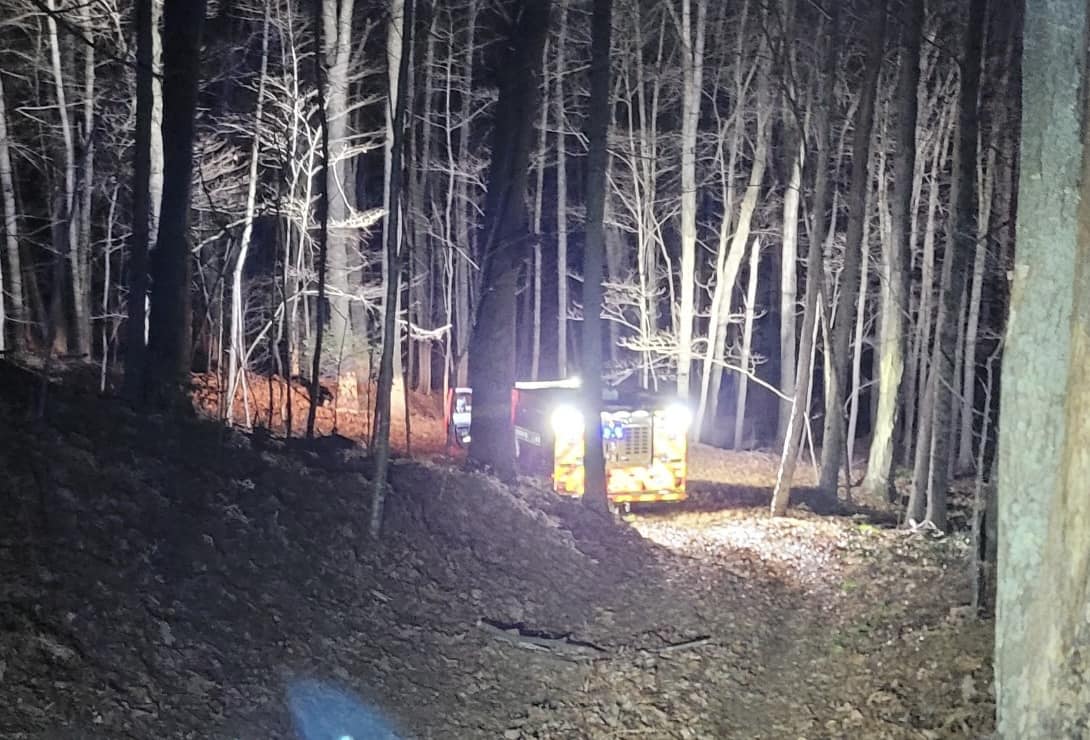
Most of Connecticut remained at high brush-fire risk on Sunday, June 14, while DEEP listed only parts of Litchfield, Fairfield and New Haven counties at moderate risk and warned that dry conditions and moderate drought were keeping fire danger elevated.
Most of Connecticut remained under high brush-fire danger on Sunday, June 14, as the Connecticut Department of Energy and Environmental Protection kept only limited parts of the state at moderate risk.
The latest daily fire-danger report showed high risk across much of the state, including Hartford County and Windham County. Moderate risk was limited to Litchfield County west of Route 8, Fairfield County north of Trumbull, and parts of New Haven County west of Route 69 and north of Route 68.
DEEP’s warning came after several days of elevated fire danger across Connecticut. Earlier reporting showed the state had already been dealing with high forest-fire risk on Friday and Saturday, with rain and thunderstorms providing only limited relief.
Why the risk is still high
Officials said the danger was lingering because the state remained dry even after recent storms that brought as much as 1.31 inches of rain in some places.
The U.S. Drought Monitor also showed all of southern Connecticut in moderate drought, adding to the concern that brush and grass could dry out quickly enough to support fast-moving fires.
DEEP said the situation is especially sensitive during the summer fire season, when fires can burn deeper into the ground and become harder to suppress.
What DEEP is asking residents to do
The agency said brush-burning permits are not valid when fire danger is high, very high or extreme if the burning is within 100 feet of grassland or woodland.
It also urged residents and visitors in parks, forests and open spaces to use caution with open flames, charcoal and smoking materials. DEEP advised people to properly dispose of hot charcoal, fully extinguish smoking materials, keep flammable items away from fires and have basic firefighting tools available.
The warning matters because brush-burning restrictions affect residents with local burning permits, while high fire danger raises the risk of fast-moving wildfires in wooded and grassland areas.
What to watch next
The next DEEP fire-danger update will show whether counties shift between high and moderate risk after any new rain or humidity changes.
Officials will also be watching whether local open-burning restrictions are tightened or extended as dry conditions continue.
Revision note
Initial automated publication.