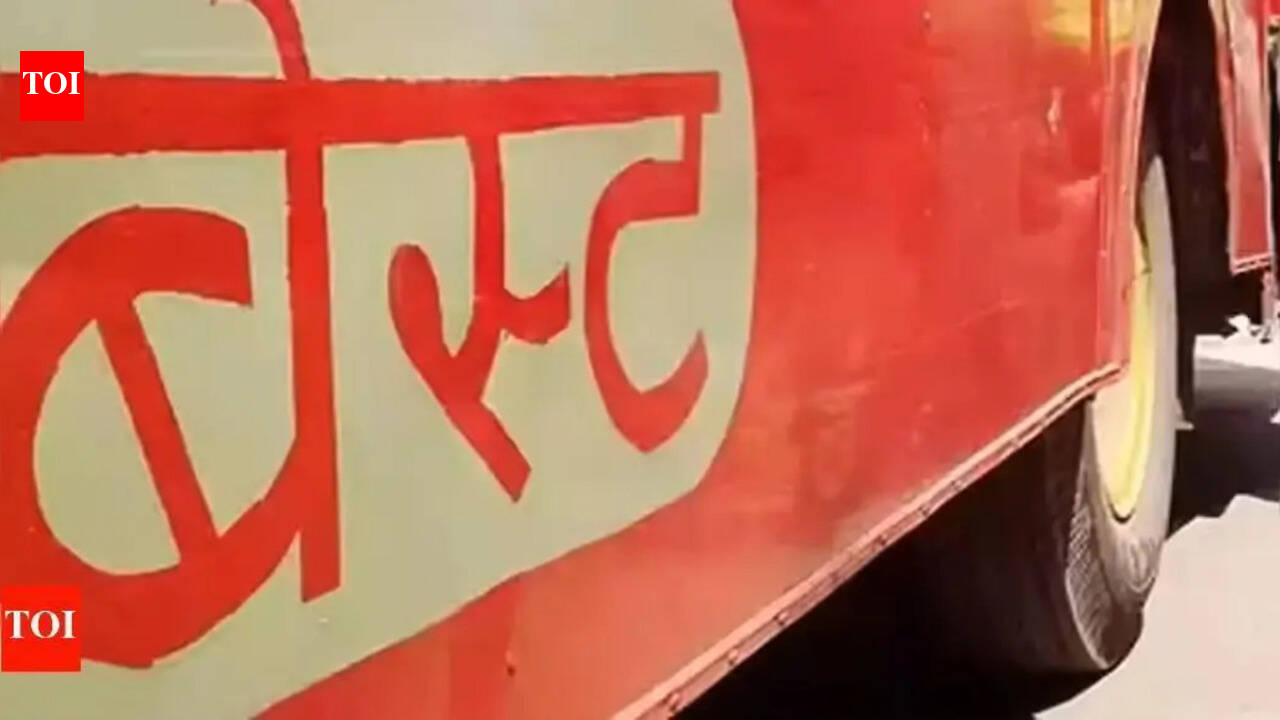
BEST employees in Mumbai began an indefinite strike on June 19, disrupting bus services and raising concern over electricity supply in South Mumbai. The walkout is being led by a 12-union committee after failed talks with management and follows demands over pay, dues, staffing and BEST funding.
Strike begins
BEST employees in Mumbai began an indefinite strike on Friday, June 19, triggering disruption across the city’s bus network and raising concern over electricity supply in South Mumbai.
The action is being led by the BEST Sanyukt Kamgar Kruti Samiti, an umbrella body of 12 unions. Reports said the strike followed failed talks with management and covers workers in both BEST’s transport and power supply divisions.
BEST, the Brihanmumbai Electric Supply and Transport undertaking, is a critical civic utility for the city. Because it runs both buses and electricity services, the walkout carries wider consequences than a routine transport strike.
Commuters feel the impact
Morning commuters and students were already facing disruption as buses were unavailable on multiple routes. Reports said the strike could affect about 23 lakh daily BEST bus passengers.
The timing has added pressure on people traveling to work and school, with concerns also raised around the Bandra-Kurla Complex area. One report said BEST deployed additional buses to reduce inconvenience, including around BKC.
The disruption is especially significant because BEST services are a major part of Mumbai’s daily commute, particularly for short and medium-distance travel across the island city and suburbs.
Power supply concerns
The strike is not limited to buses. Reports said BEST’s power supply division could also be affected, with possible disruption in South Mumbai.
That area includes more than one million electricity consumers, according to reports. So far, the research packet supports concern and risk of disruption rather than a confirmed citywide outage.
Why workers are striking
The unions have been pressing for better pay, regularization of contractual drivers and workers, payment of pending dues to retired staff, more BEST-owned buses and a merger of the BEST and BMC budgets.
These demands reflect a wider dispute over staffing, funding and the long-term structure of BEST. The issue is not just wages, but also how the undertaking is financed and how much control it has over its fleet and workforce.
One report said the BEST Workers’ Union opted out of the strike, suggesting the labor side is not entirely unified even as the broader walkout moved ahead.
Management response
BEST reportedly moved to limit inconvenience by deploying extra buses. Another report said the administration issued warnings to employees taking part in the protest.
Those steps indicate that officials are trying to maintain some level of service while the strike continues, but the available reporting shows no immediate settlement.
What happens next
The main unknown is how much of the BEST workforce is actually participating and how long the strike will last.
It is also unclear whether electricity supply in South Mumbai will be materially affected or whether the disruption remains mainly a transport problem.
The next key development will be whether management and union leaders resume talks on June 19 or shortly after. Until then, commuters, students and South Mumbai electricity consumers are likely to keep watching for route restorations, service advisories or a possible settlement.
Background
BEST is one of Mumbai’s most important municipal services, linking daily transport with the city’s electricity distribution network.
That dual role makes the strike unusually broad in its impact. Even before any confirmed escalation in the power division, the bus disruption alone has already made the dispute a citywide labor issue with immediate public consequences.
Revision note
Initial automated publication with fuller strike coverage.