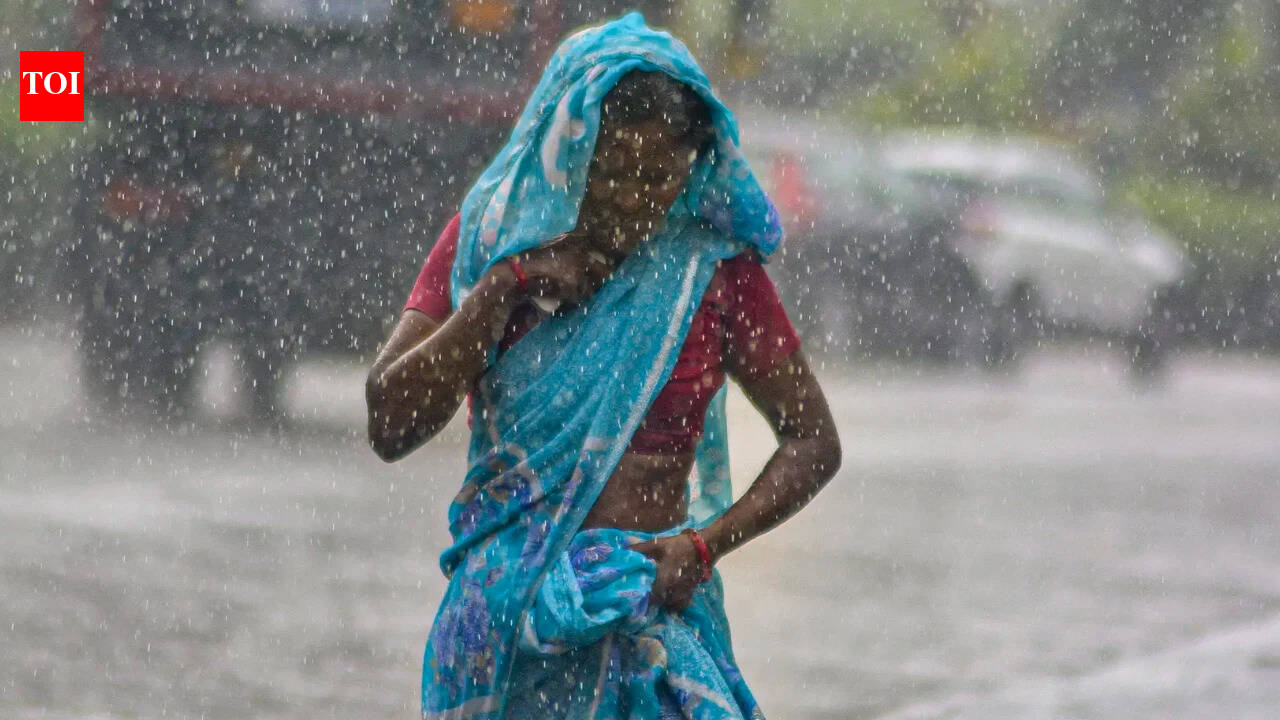
Heavy overnight rain flooded parts of Mumbai on July 1-2, with waterlogging, fallen trees and transport disruption reported across the city as the IMD kept an orange alert in place.
Overnight rain hits the city
Mumbai was left dealing with widespread waterlogging, fallen trees and transport disruption after heavy overnight rain on July 1 and July 2.
Local reporting said several parts of the city were affected as showers continued through the night and into Thursday morning, leaving roads flooded and creating difficult conditions for commuters and residents. Waterlogging was reported across low-lying and flood-prone areas.
The impact was visible across the transport network. Earlier reporting said suburban train services were delayed and at least three flights were diverted as the rain spell continued into Wednesday.
Rainfall totals cited in Mumbai showed the intensity of the spell. Stations including Santacruz, Juhu and Vikhroli each reported more than 160 mm, while Ram Mandir, Bandra and Vidyavihar also recorded heavy totals.
IMD keeps alert in place
The India Meteorological Department issued an orange alert for Mumbai on Thursday, along with Raigad, Palghar and Thane, warning of moderate to intense spells at isolated places.
Times of India reported the alert was issued at 7 a.m. and was valid for three hours. Earlier reporting had already said the city had seen around 150 mm of rain in 12 hours in some pockets, with the alert kept intact as the rain continued.
Economic Times reported waterlogging in Andheri, Kings Circle and Gandhi Market, with traffic congestion and uprooted trees adding to the disruption. The report also cited a Brihanmumbai Municipal Corporation warning that mentioned high tide and gusty winds.
Safety and public impact
The rain also raised safety concerns. One Times of India report said a man died after falling into an open manhole during the heavy rain, while later coverage placed the fatal incident in Saki Naka during civic work.
Because the reporting on that death was not fully consistent, it should be treated cautiously until officials provide a clearer account. Even so, the reports underline the wider public-safety risks that come with severe waterlogging and exposed infrastructure during the monsoon.
For commuters, the immediate concern was whether train and road movement would stabilize after the heaviest rain band passed. For residents in flood-prone neighborhoods, the risk of further localized flooding remained a live issue as the alert stayed in force.
Authorities were still watching for more intense spells, possible extensions to the alert and any further advisories on road closures, diversions or rescue work. Airport operations also remained a possible pressure point if the rain persisted.
The latest reports suggest Mumbai's monsoon disruption is still unfolding, with civic agencies, transport operators and weather officials all under pressure to keep the city moving safely.
Revision note
Initial automated publication.