Nature Medicine has published a human study describing microglial state transitions at the Aβ-tau interface in Alzheimer’s disease, while Muna Therapeutics said the findings support its MiND-MAP and TREM2-focused strategy.
Muna Therapeutics said a new Nature Medicine paper supports its microglia-focused Alzheimer’s strategy after the journal published a human study on June 4, 2026.
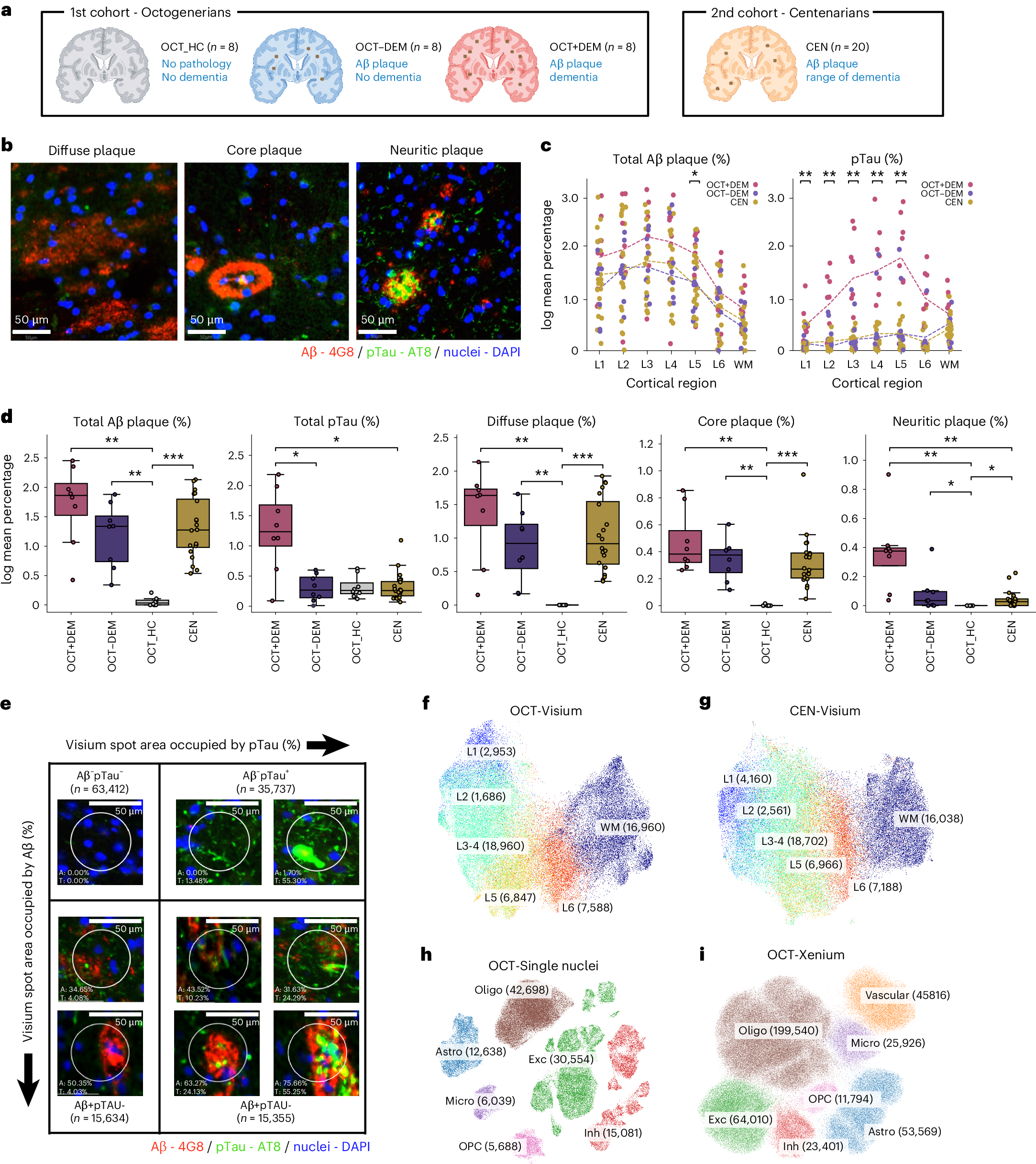
The paper, titled Human microglial transitions at the Aβ–tau inflection point associate with divergent pathways to dementia and resilience, reports that Alzheimer’s progression is linked to a shift in microglial states at the interface between amyloid beta and tau pathology. The study describes early inflammatory gene programs and later antigen-presenting states in human brain tissue.
Researchers used spatial transcriptomics and single-nucleus RNA sequencing, including samples from octogenarians and cognitively intact centenarians. According to the paper, some microglial patterns were associated with resilience rather than dementia progression.
Why it matters
Muna Therapeutics tied the publication to its MiND-MAP platform and its TREM2-focused drug discovery approach. The company’s website describes MiND-MAP as an all-human target discovery and validation platform centered on resilience biology and microglial function.
The publication gives the company a new third-party scientific reference point, but the paper itself is the main development. The available reporting does not show that Muna generated the study data; rather, it is framing the journal article as validation of its approach.
The journal publication and Muna’s press release both landed on June 4, 2026. No separate institutional release was included in the verified reporting.
Revision note
Initial automated publication.