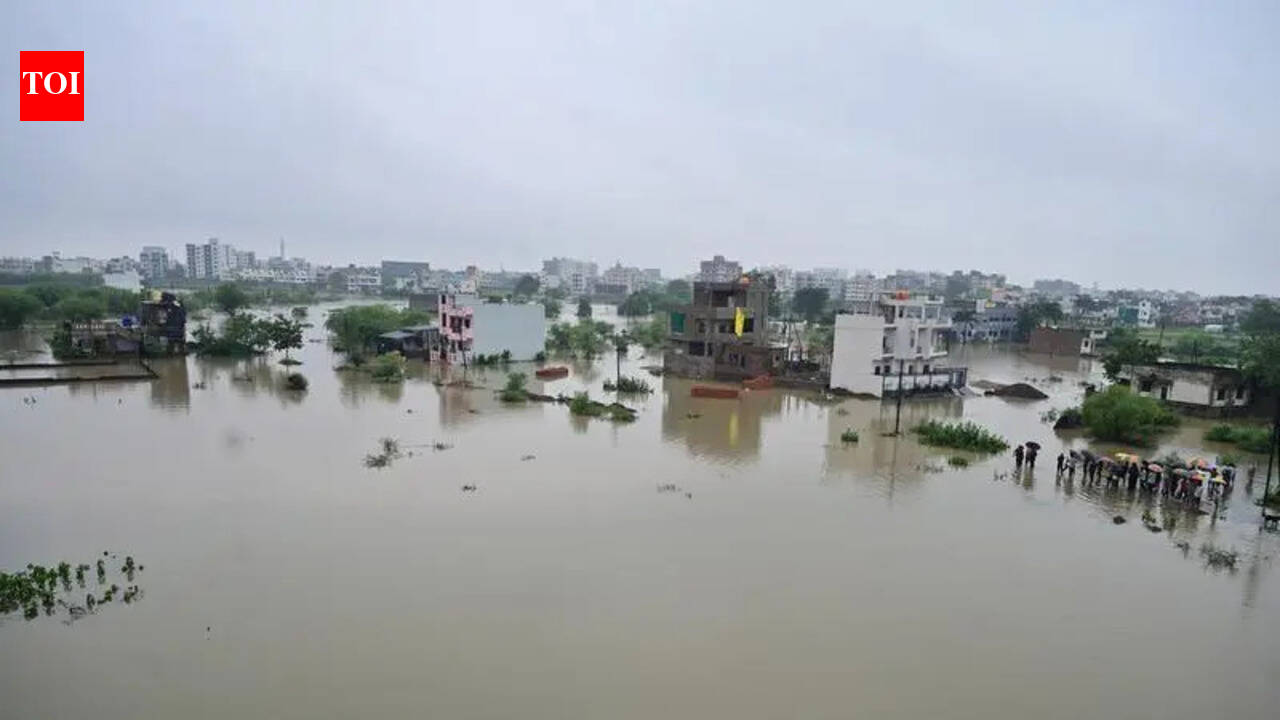
Nagpur Municipal Corporation fire and emergency services have identified 77 low-lying flood-prone areas and 59 vulnerable basement structures across the city before the monsoon.
Nagpur Municipal Corporation’s fire and emergency services department has identified 77 low-lying areas vulnerable to waterlogging and 59 basement structures at risk of flooding across the city ahead of the monsoon.
The assessment was carried out by all fire stations in Nagpur, and the list has been circulated to zonal offices for preventive action, according to the report. Officials have been told to clear drains, remove obstructions and keep response teams on standby before the first heavy rain.
Station-wise hotspots
The highest number of vulnerable locations was found in the Narendra Nagar fire station area, which identified 22 waterlogging-prone spots and seven at-risk basements. Ganjipeth fire station and Sugat Nagar fire station each identified 14 vulnerable locations.
Civil Lines fire station reported nine flood-prone locations, while Kalmana fire station identified seven vulnerable spots.
The report says the affected areas include stretches near the Pili River, residential colonies, slums, road intersections and commercial hubs.
District-wide monsoon risk
The city-level survey comes as Nagpur district also braces for the season. A companion report said district officials identified 157 flood-prone villages and 68 ultra-vulnerable villages across the district.
Saoner taluka was reported to have the highest concentration of vulnerable villages, with 34 flood-prone and 16 ultra flood-vulnerable villages.
Delayed monsoon backdrop
The warning comes against the backdrop of a delayed southwest monsoon in Vidarbha and Nagpur, with only scattered rainfall reported in the region in recent days.
That delay can compress the window for drainage clearing and other mitigation work before heavier rain arrives. The key question now is whether zonal offices and district teams can complete the preventive steps in time to reduce waterlogging, basement flooding and transport disruption.
What officials are expected to do next
The immediate priorities flagged in the research are clearing drains, removing blockages, keeping emergency teams ready and monitoring whether the identified hotspots are actually cleaned up before the first strong monsoon spell.
Revision note
Initial automated publication.