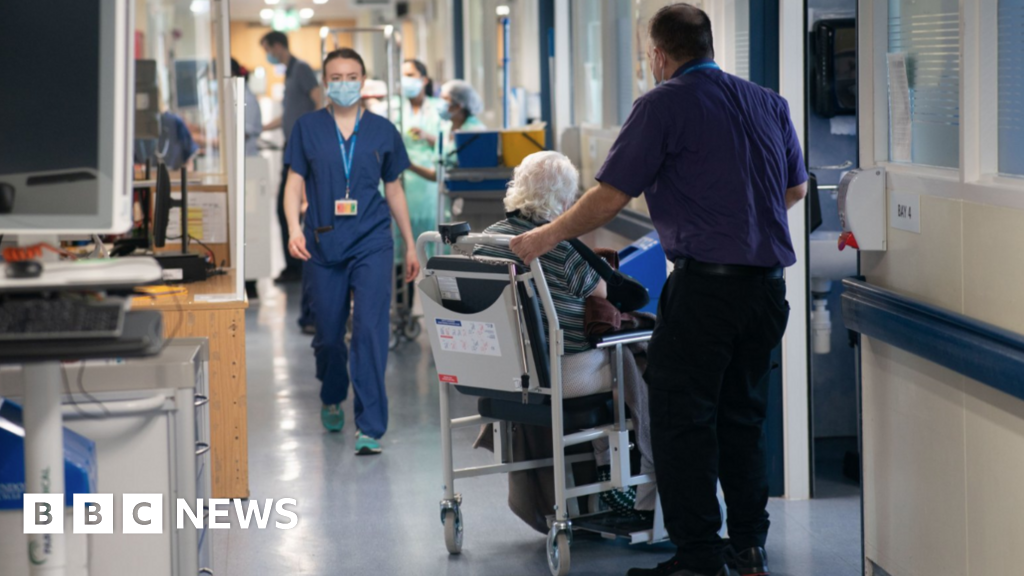
First published NHS data show about 2,910 patients a day in England are being treated in corridors or other unsuitable spaces, underscoring severe pressure on emergency care.
First published NHS data
Nearly 3,000 patients a day in England are being treated in corridors or other unsuitable hospital spaces, according to newly published NHS figures reported by the BBC and later broken down in further coverage.
The figures show an average of 2,241 patients a day were treated in corridors in May, plus 669 a day in other inappropriate places such as cupboards, offices, car parks or lavatories. Together, that comes to 2,910 patients a day.
The NHS has published the data for the first time as part of what reporting described as a corridor care crisis analysis.
Where the pressure is concentrated
The figures point to a problem that is not spread evenly across the system. The Times reported that 20 trusts accounted for more than half of corridor-care cases.
That concentration suggests the worst overflow care is being driven by a smaller number of heavily pressured hospitals, even as the wider issue reflects strain across emergency departments and wards in England.
The data also sits against a backdrop of broader NHS pressure. The Times reported that the national waiting list rose to 7.22 million, reversing a six-month decline.
It also said more than 50,000 patients waited over 12 hours in A&E last month, underscoring how crowding in emergency care is feeding the use of makeshift treatment spaces.
Safety concerns
Corridor care refers to patients being treated in hallways or other improvised spaces when hospitals run out of proper rooms. Clinicians and safety investigators have long warned that those areas can lack privacy, equipment and close monitoring.
Earlier reporting on the issue cited the Health Services Safety Investigations Body, which warned that temporary care environments can delay responses to deterioration and make emergency treatment harder to deliver safely.
That makes the new figures more than a measure of overcrowding. They are also a patient-safety signal, showing how often hospitals are forced to provide care outside normal clinical settings.
Official response and wider context
The Department of Health has acknowledged the wider pressure on emergency care and said work is under way to tackle corridor care.
According to the reporting, ministers and NHS leaders say the practice is unacceptable and want to reduce it. The Guardian also reported that the government is investing in new treatment centres and deploying specialist teams to help ease crowding.
That response reflects the scale of the problem. Corridor care has become one of the clearest signs of an NHS struggling to move patients through emergency departments, onto wards and into discharge pathways quickly enough.
What happens next
The immediate questions now are whether the figures will be published routinely, how they will be tracked over time and whether breakdowns by trust or region will follow.
Further attention will also focus on whether the operational changes now being discussed can reduce the number of patients treated in halls, offices and other overflow spaces.
For patients, the data offers the most concrete public measure yet of a long-running problem in English hospitals: emergency care so stretched that people are being treated in spaces never intended for care at all.
Revision note
Expanded with published breakdown, safety context, official response and next steps.