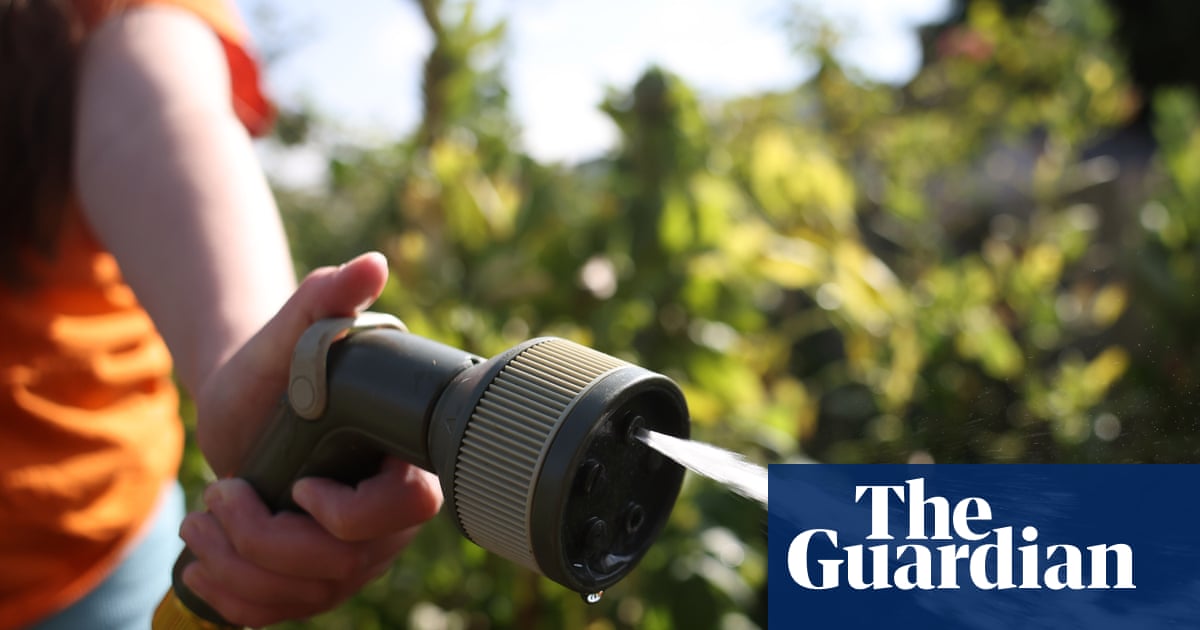
The UK has launched its largest water-saving campaign, Let's Save Water, with a target to cut average daily use by 28 litres amid heatwave pressure, leak concerns and hosepipe bans in Kent.
The UK has launched its largest ever public campaign to reduce water use, as hot, dry conditions continue to strain supplies and local restrictions begin to bite.
Let's Save Water is being presented as a four-year, £75 million push backed by water companies, Ofwat, the Environment Agency, the Met Office and Natural Resources Wales. The campaign's central target is to cut average household use by 28 litres a day, from about 140 litres to 112 litres.
The launch comes after a record June heatwave and against a backdrop of growing concern about how much water England will need in the years ahead. The campaign is framed as a public-service response to a problem that is no longer just about summer weather, but about long-term supply and demand.
The campaign
The message is built around small everyday changes rather than drastic sacrifices. Public advice includes taking shorter showers, fixing dripping taps and using water butts.
Campaign research suggests the public badly underestimates how much water they use. The Guardian report says many people guess their daily use at around 30 litres, far below the actual average of about 140 litres.
The effort is also being shaped as a behavioural campaign. Psychologists have been involved in developing the messaging so that saving water feels like a shared responsibility rather than an isolated personal burden.
Why it is happening now
The timing reflects immediate pressure on the system. A hosepipe ban came into effect in Kent on Friday morning after South East Water urged customers to use water sparingly during the heatwave.
That local restriction is the most visible sign of a wider strain on supply. The Guardian report linked to the campaign says shortages in England could reach 5 billion litres a day by 2055 if demand and supply pressures are not addressed.
The same report says water companies lose about 19% of demand through leaks, with more than 3 billion litres a day disappearing through leaking pipes. That creates an obvious credibility problem when companies ask households to conserve water while the network itself continues to waste large volumes.
Trust and pressure
Public trust in water companies is already low, in part because of sewage pollution, supply outages and debt at some utilities. That makes the campaign message harder to deliver, even if the public-service need is clear.
The broader policy backdrop also includes population growth and rising demand from water-intensive industries such as datacentres. Those pressures are adding to calls for stronger infrastructure, regulation and conservation measures.
The launch follows a run of warnings on heat and water. On June 26, the UK broke its June temperature record for a third day in a row, reinforcing the sense that the heatwave was not a brief spike but part of a more persistent stress on public services.
What to watch next
The immediate question is whether the campaign changes behaviour beyond the audience already inclined to conserve water. Another is whether regional utilities widen restrictions or issue further warnings if the hot weather continues.
Campaign partners are also likely to face scrutiny over whether the public message is matched by action on leaks and infrastructure. The push gives them a national platform, but it also raises expectations that the industry will show progress on the problems driving the shortage in the first place.
Revision note
Initial automated publication.