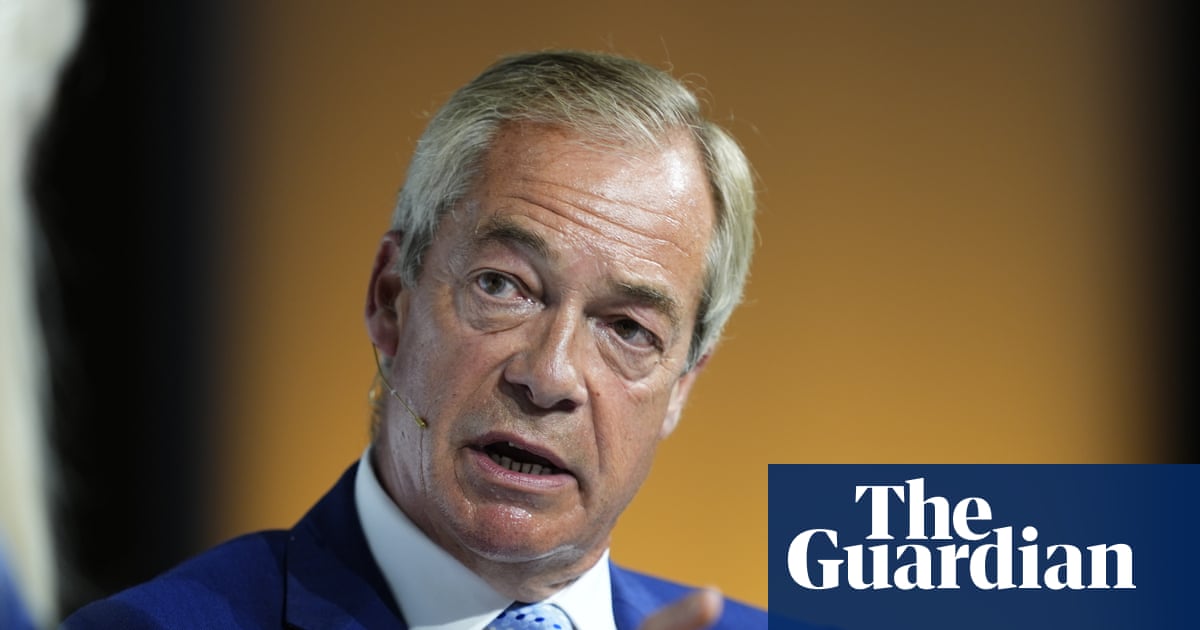
Nigel Farage has been reported to the parliamentary standards commissioner over allegations that his lobbying against the Bank of England’s planned digital pound may have aligned with the interests of major donor Christopher Harborne. The Bank says the meeting was routine, while Farage and Harborne deny any quid pro quo.
Standards complaint
Nigel Farage has been reported to the parliamentary standards watchdog over allegations that his lobbying against the Bank of England’s planned digital pound may have been influenced by the interests of major crypto-linked donor Christopher Harborne.
The complaint was made by Labour MP Phil Brickell, who has asked the Parliamentary Commissioner for Standards to examine whether Farage breached Commons rules. The reporting does not suggest a criminal case. It concerns whether Farage’s conduct as an MP and party leader met the standards expected in Parliament.
Brickell’s complaint focuses on the overlap between Farage’s public opposition to the digital pound and Harborne’s financial support for Reform UK. The allegation is that the anti-CBDC lobbying may have served a donor whose interests could be affected by a state-backed digital currency.
The chronology
The dispute has developed over several months. In October 2025, Farage told a Zebu Live event in London that he felt “total and utter horror” at the Bank of England’s digital pound plans.
Later reporting said Farage raised the issue in a private meeting with Bank of England governor Andrew Bailey. The Guardian reported on June 18, 2026 that Farage was trying to block Britcoin plans that could be costly for billionaire donor Harborne.
On July 2, 2026, the latest complaint was reported, with Brickell asking the standards commissioner to look at whether the lobbying crossed a line under Commons conduct rules.
The donor link
Harborne is central to the political and ethical questions around the case. The Guardian has reported that he has donated £15 million to Reform UK, and that he separately gave Farage an undeclared £5 million personal gift revealed in April 2026.
The Financial Times reported on April 29, 2026 that Farage was accused of failing to declare that £5 million gift to parliamentary standards authorities. Later reporting said the commissioner was already examining that disclosure issue.
Farage and Harborne deny that anything was expected in return for the donations or the gift. The complaint nonetheless argues that the relationship is relevant because Farage’s public stance on the digital pound would also align with Harborne’s interests if the Bank’s plans were delayed or abandoned.
Why the digital pound matters
The Bank of England’s digital pound, often described as a central bank digital currency, has become politically sensitive because it sits at the intersection of payments policy, privacy concerns and crypto industry interests.
Supporters of the project see it as part of the Bank’s future payments infrastructure. Critics argue it could expand state involvement in money and payments. For crypto investors, a state-backed digital currency can also raise commercial concerns if it competes with private digital assets or reshapes the market.
That is why Farage’s opposition has drawn attention. He has framed his criticism as a matter of principle and freedom, while critics say the position may have financial implications for Harborne.
Bank and political reaction
The Bank of England has described Farage’s meeting with Bailey as routine engagement and has not published further detail about what was discussed.
That leaves the central dispute unresolved. The complaint asks whether the context of the meeting, the donor relationship and Farage’s public campaign against the digital pound together amount to a standards issue.
The standards system being used here is the House of Commons regime for MPs’ interests and conduct. It is separate from any criminal investigation and focuses on transparency, disclosure and behaviour in office.
What happens next
The immediate question is whether the Parliamentary Commissioner for Standards opens a formal inquiry into the alleged crypto lobbying.
There is also continuing pressure on the Bank of England to release more information about the Bailey-Farage meeting, including whether any notes or records exist.
Farage or Reform UK may also need to provide a fuller explanation of how the meeting, the digital pound campaign and Harborne’s backing are connected, or not connected, as the standards process develops.
Revision note
Initial automated publication.