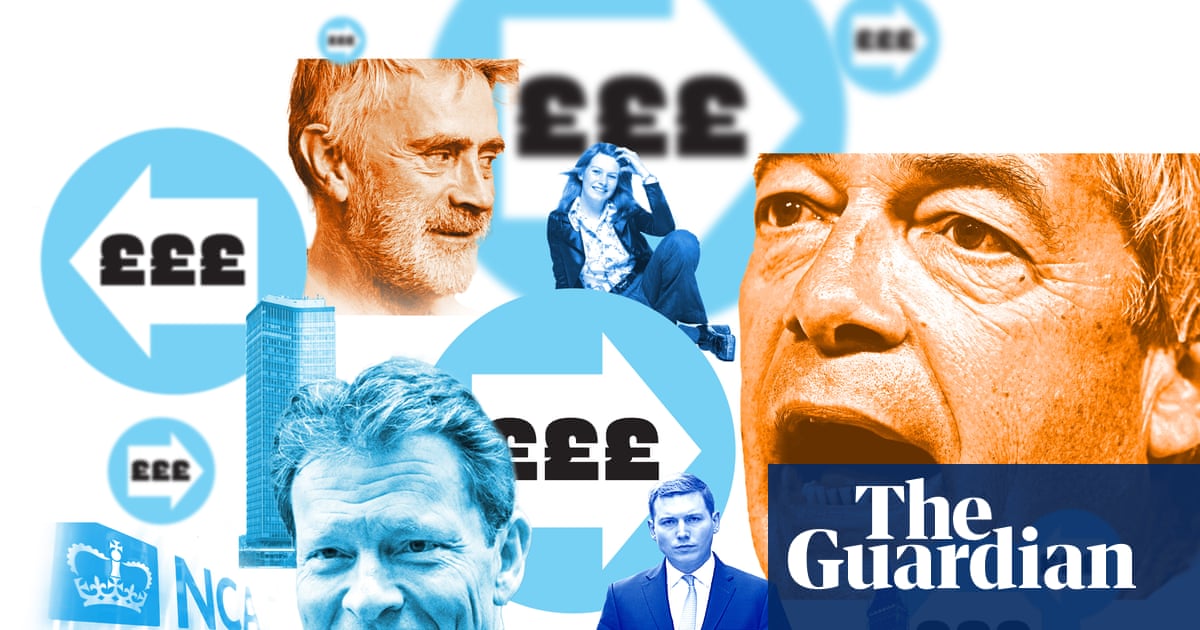
Nigel Farage’s resignation as MP for Clacton has intensified scrutiny of Reform UK donations after reports that bankers filed suspicious activity reports over a £5 million gift and related transactions.
Nigel Farage’s resignation as MP for Clacton has turned an already contentious donations row into a broader scrutiny story about Reform UK’s money flows, banking reports and political transparency.
The immediate political effect is clear: Farage’s departure from Parliament on July 7 triggered a byelection in Clacton. The financial effect may be wider. Fresh reporting on July 8 said bankers filed suspicious activity reports over a previously disclosed £5 million gift to Farage and over other Reform UK-linked transactions.
Resignation and political fallout
Farage’s resignation put him back at the centre of a dispute that had already been building for months. The original £5 million gift from Christopher Harborne was first reported in April 2026, but the latest reporting has recast it as part of a wider set of transactions drawing the attention of compliance staff and political opponents alike.
The Clacton byelection now sits alongside the donations controversy rather than separate from it. That creates a direct political risk for Reform UK, which is trying to manage the contest while answering questions about how the money was received, reported and interpreted.
What the latest reporting says
According to Guardian reporting on July 8, bankers filed suspicious activity reports with the UK National Crime Agency over the £5 million gift from Harborne to Farage. The same reporting said there were additional suspicious transactions involving Reform UK figures including Richard Tice, Fiona Cottrell and George Cottrell.
The reporting says at least four suspicious activity reports were filed in total. The concerns appear to have centred on the possible risk of money laundering and on whether political finance disclosure has been sufficiently transparent.
The National Crime Agency says it neither confirms nor denies the receipt of suspicious activity reports. That means the public reporting establishes the filings, but not any formal investigation or conclusion by the agency itself.
Background to the gift
Harborne is described in the reporting as a cryptocurrency billionaire and a major Reform donor. The original £5 million transfer had already raised questions about whether it was adequately understood by the public and how it fitted within the party’s financial picture.
What has changed this week is not the existence of the donation but the level of scrutiny around it. The reporting suggests bankers did not treat the gift as an ordinary transfer and instead judged it serious enough to warrant reports to the financial crime authorities.
That has widened the story beyond a single donation. The issue is now about the trail of money around Farage and other Reform-linked figures, and about how closely those movements are being watched by banks and regulators.
Responses from the main figures
Farage has denied wrongdoing and said the money was a personal gift or related to personal security. His position is that the transfer was legitimate and that the latest allegations do not show misconduct.
Reform UK’s Richard Tice went on the attack, accusing the National Crime Agency of leaking private financial information. The party’s response has therefore focused not only on the substance of the reports but also on the process by which the reports appear to have become public.
Labour chair Anna Turley said the matter was deeply serious and urged Farage to cooperate with investigators. Her comments underline how quickly the issue has become a wider political attack line rather than a narrow regulatory matter.
What is known, and what is not
The reporting is clear that suspicious activity reports were filed. It is also clear that the NCA has not confirmed or denied whether it received them. But several important questions remain unanswered.
It is not yet clear whether the NCA has opened any formal investigation beyond the receipt of reports. It is also not clear how many reports were filed in total, beyond the reporting that says at least four were lodged.
The exact nature of the additional Reform-linked transactions has also not been fully set out publicly. The reporting names the figures involved, but not every underlying payment or transfer.
That uncertainty matters because the story is now straddling banking compliance, political finance rules and the standards expected of senior public figures.
Regulatory and political stakes
The possible consequences run in several directions. The Electoral Commission could face pressure to examine whether any donation-related rules were followed. Parliamentary standards authorities could also become relevant if questions arise about declarations or conduct connected to Farage’s time as an MP.
There is also a broader reputational risk for Reform UK. Even without a formal finding of wrongdoing, repeated reporting about suspicious transfers can damage a party that has built much of its appeal around anti-establishment politics and claims of straight talking.
The Clacton byelection may now be shaped by the controversy as much as by the usual campaign issues. Farage’s resignation has not taken the pressure off; it has concentrated attention on the financing story at the moment his political future is being reset.
Timeline
The chronology matters. The gift from Harborne was first reported in April 2026.
Farage resigned as MP for Clacton on July 7, 2026, triggering a byelection.
On July 8, 2026, Guardian reporting added the allegation that bankers had filed suspicious activity reports over the £5 million gift and other Reform-linked transactions.
What happens next
The next developments to watch are straightforward. Any statement from the NCA, the Electoral Commission or parliamentary standards authorities would change the story materially.
Reform UK may also face pressure to give a fuller public explanation of the gift and the related transfers. If it does not, the story is likely to remain defined by outside reporting and political accusation.
For now, the key point is that Farage’s resignation has not closed the donations issue. It has broadened it, and the new scrutiny appears likely to continue through the Clacton campaign.
Revision note
Initial automated publication.