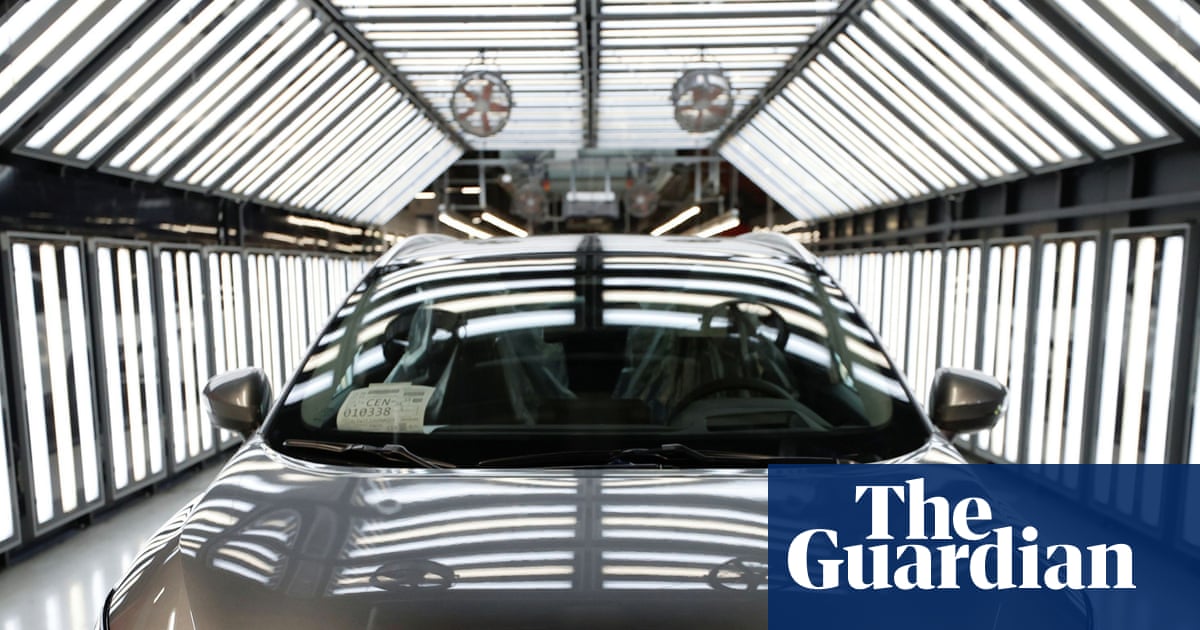
Nissan has stopped development of a battery-electric Qashqai for Sunderland as part of a wider cost-cutting drive, according to Reuters-reported coverage. The company says it remains committed to electrification but is prioritising a more balanced mix of hybrids and electric vehicles amid volatile demand in Europe.
Nissan has halted development of a fully electric Qashqai at its Sunderland plant as part of a wider effort to cut costs and simplify its model lineup, according to Reuters-reported coverage published on June 23, 2026.
The decision affects one of Nissan’s most important European nameplates and adds fresh uncertainty around the UK factory, which employs about 6,000 people. Nissan already builds the fully electric Leaf in Sunderland and recently announced an all-electric Juke for the site, but the Qashqai EV has now been shelved.
What Nissan decided
The reported pause means Nissan is not moving ahead, for now, with a battery-electric version of the Qashqai. If the project were restarted, Reuters-reported coverage said it would not reach the market until the early 2030s.
Nissan has said the European EV market has been volatile and that it is pursuing a more balanced electrification strategy. The company says it remains committed to expanding electrified models, including hybrids.
The Qashqai is already sold in petrol and hybrid forms and remains a core part of Nissan’s European lineup. Suspending an electric version is significant because the model is one of the company’s most recognisable vehicles in the region and a key product for the Sunderland plant.
How the plan changed
Nissan had committed in 2023 to building electric versions of the Qashqai and Juke in Britain, according to the reporting. But Reuters-reported coverage said development of the electric Qashqai was quietly halted last year.
That history matters because it shows the latest decision is not an isolated change of course. The company has kept moving on some parts of its UK electrification plan, including the all-electric Juke announced in April 2026, while stepping back from the Qashqai project.
Pressure on Sunderland
The Sunderland plant remains central to Nissan’s UK manufacturing footprint, but it is under strain. Reported output at the site fell from 507,000 vehicles in 2016 to 273,000 in 2025, underscoring the pressure on volume and investment.
Nissan is also in talks with the UK government about future support for the plant, according to the reporting. The Financial Times reported that any aid may depend on Nissan’s long-term commitment to Sunderland and on possible changes to EV mandate rules.
The plant’s future is therefore tied not just to one model, but to the broader industrial case for keeping major production in northeast England. A weaker model pipeline makes that case harder, especially if new investment depends on long-term volume commitments.
Bigger corporate reset
The Qashqai decision fits into a broader Nissan restructuring. The company has been cutting costs, closing factories, and reducing its global model range as it tries to stabilise profitability.
That wider reset is part of the backdrop for the Sunderland decision. Nissan is looking to protect the parts of its business that can still scale, while being more cautious about committing capital to slower-moving or more uncertain projects.
The company’s approach also reflects changing market conditions in Europe. Nissan has signalled that it sees demand for battery-electric vehicles as uneven, and it is leaning more heavily on hybrids and other electrified vehicles as it reshapes its line-up.
What happens next
Nissan recently signed a non-binding memorandum of understanding with China’s Chery to explore contract manufacturing at Sunderland, a potential way to bolster future production volumes.
For now, the immediate question is whether the Qashqai EV pause becomes permanent or whether the project returns later in the decade. Reuters-reported coverage suggests any revival would be slow, and the next signals are likely to come from Nissan’s talks with ministers and any changes to the plant’s future production mix.
For the UK government, the stakes are straightforward: support for Sunderland is easier to justify if the site has a clear long-term pipeline of models. For Nissan, the challenge is to balance cost discipline with enough investment to keep one of its most important European plants competitive.
Revision note
Initial automated publication.