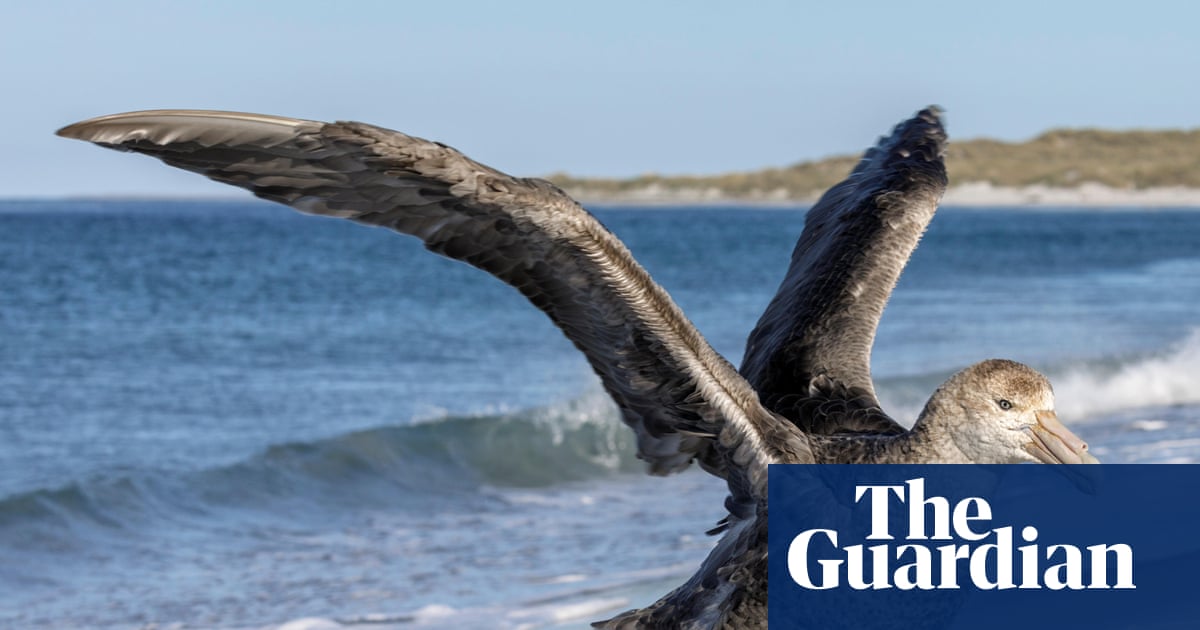
NSW authorities have reported the state’s first suspected H5 bird flu case on the east coast after a giant petrel near Hawks Nest tested positive in local testing. CSIRO confirmation is pending, officials say there is no evidence of spread to poultry, and surveillance is being expanded around the mid-north coast.
NSW authorities say a giant petrel found near Hawks Nest, north of Newcastle, has tested positive for H5 influenza in state laboratory testing, marking the state’s first suspected bird flu case on Australia’s east coast.
CSIRO confirmation is still pending to determine whether the bird was infected with H5N1, the highly pathogenic strain that has raised concern across parts of Australia. Officials said there was no evidence at this stage of spread to poultry, captive birds or other wild birds in NSW.
The bird was reportedly found unwell by a member of the public, who contacted authorities. NSW Agriculture Minister Tara Moriarty and Chief Veterinary Officer Jo Coombe said the case remained isolated and that surveillance was being stepped up around Hawks Nest, the mid-north coast and other higher-risk parts of the state.
Federal Agriculture Minister Julie Collins said there had been no detections in poultry and that governments and industry were working together on the response.
What officials know so far
State testing found the bird was positive for H5 influenza, but the exact strain has not yet been confirmed by the CSIRO Australian Centre for Disease Preparedness.
That distinction matters because confirmation of H5N1 would make this the first east-coast detection of the virus in Australia. Earlier mainland detections had been reported in wild migratory birds in Western Australia and South Australia.
Officials said more than 500 people in government and private veterinary services have been trained in surveillance for bird flu, and the reporting system is being used to look for any further sick or dead birds.
Why it matters
A confirmed H5N1 detection on the east coast would be significant for wildlife, agriculture and biosecurity planning. Authorities say the main immediate concern is preventing any spread into poultry systems, while native and migratory birds remain a major focus because the virus can be severe in birds and other animals.
Public health officials have described the risk to people as low, but they are urging the public not to touch sick or dead birds and to report any sightings through the relevant channels.
What happens next
The next key update will be the CSIRO result on the NSW sample. Authorities are also monitoring for any additional detections in wild birds or poultry, and for any expanded containment or movement controls if the case is confirmed.
Reporting is also continuing on a separate suspected WA petrel case, which could affect the national count if it is confirmed at the same time.
Revision note
Initial automated publication.