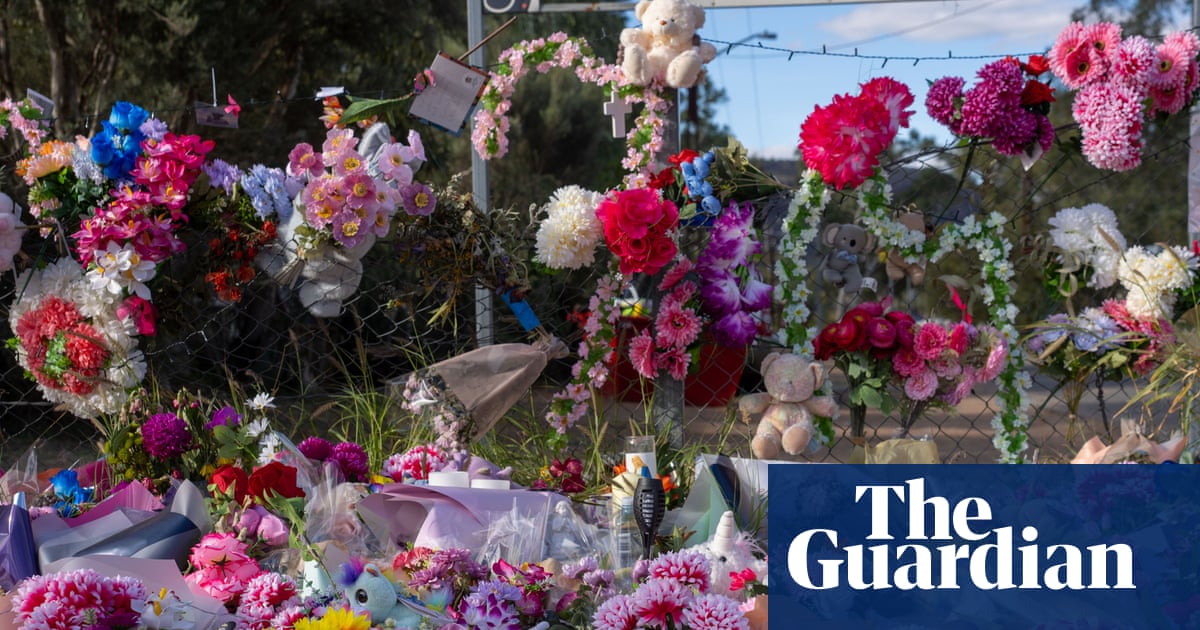
Northern Territory Children’s Commissioner Shahleena Musk has resigned over the CLP government’s child-protection reforms, saying the changes were not properly consulted on and could weaken safeguards for Aboriginal children. The government rejects that criticism and says the bill is designed to put child safety first.
Northern Territory Children’s Commissioner Shahleena Musk has resigned after the CLP government pushed ahead with child-protection reforms that would replace the Aboriginal child placement principle with a broader safety-first framework.
Musk said her position had become untenable because of the government’s approach to the overhaul, which she argued should have been evidence-based and developed through genuine consultation with experts, independent institutions and frontline organisations.
The resignation turns a long-running policy fight into a sharper dispute over governance, consultation and the future of Indigenous child welfare safeguards in the territory.
Why Musk resigned
Musk said the government’s handling of the reforms sidelined her office at a sensitive moment for children and families.
She said reforms of this scale should be built through proper consultation and grounded in evidence, rather than introduced in a way that diminishes the influence of an independent commissioner.
Musk also argued that excluding or weakening independent oversight reduces safeguards for vulnerable children and young people when major child-protection laws are being rewritten.
Her resignation was publicly reported on July 10, 2026. Courier Mail reported that she is due to step down formally on July 16.
National Indigenous Children’s Commissioner Sue-Anne Hunter said Musk’s departure was “dire” and warned of consequences for Aboriginal children.
The reform package
The dispute centres on the NT government’s child-protection overhaul, first announced in May 2026.
The reforms came after the death of five-year-old Kumanjayi Little Baby in Alice Springs in April 2026, which intensified scrutiny of the territory’s child-protection system.
At the centre of the bill is the replacement of the Aboriginal child placement principle with a universal principle that puts child safety first.
The Guardian reported that the proposed laws would also require children to be placed, as far as practicable, in close proximity to their family.
Critics say the change risks weakening long-standing protections intended to keep Aboriginal children connected to family, kin and culture when they are removed from care.
The Aboriginal child placement principle is widely understood as part of the national response to the Stolen Generations, which is why the proposed shift has drawn such strong reaction.
Government defence
Child Protection Minister Robyn Cahill rejected Musk’s claim that she had been sidelined.
Cahill said she had met with Musk several times before the legislation was introduced and defended the reforms as necessary to put child safety first.
She has also said the Foster and Kinship Carers Association NT strongly backs the reform.
In June, Cahill said a damning commissioner report reinforced the government’s case for change.
How the dispute escalated
The reform bill has already drawn significant public attention and a heavy volume of submissions.
Courier Mail reported that a legislative scrutiny committee backed the bill by 3-2 and that 150 submissions were received, with most opposing the legislation.
That broader backlash helped frame Musk’s resignation as more than a personnel change. It now sits at the intersection of child protection, Indigenous rights and the role of independent oversight bodies in the Northern Territory.
The government says the reforms respond to child-safety failures and public anger after Kumanjayi Little Baby’s death.
Critics argue the package moves too far toward a safety-only model and risks diluting placement safeguards that have long shaped decisions about Aboriginal children in care.
What happens next
The Northern Territory parliament is expected to keep considering the bill.
Further debate is likely to focus on consultation standards, the final wording of the placement rules, reunification timelines and the powers of courts and oversight bodies.
More reaction is also expected from First Nations advocates, child-welfare organisations and the commissioner’s office before Musk formally leaves the role on July 16.
The dispute now stands as a test of whether the territory can tighten child-protection laws without weakening the safeguards that are meant to keep Aboriginal children connected to family and culture.
Revision note
Initial automated publication.