Manistee County road officials say April flood damage has pushed repair needs to about $3.6 million to $4 million, with more than $2.8 million tied to High Bridge Road and Johnson Road Bridge. The road commission is seeking outside funding as temporary fixes continue and some routes remain closed.
Manistee County road officials say they are still waiting on outside funding as April flood damage pushes the county's repair bill to roughly $3.6 million to $4 million.
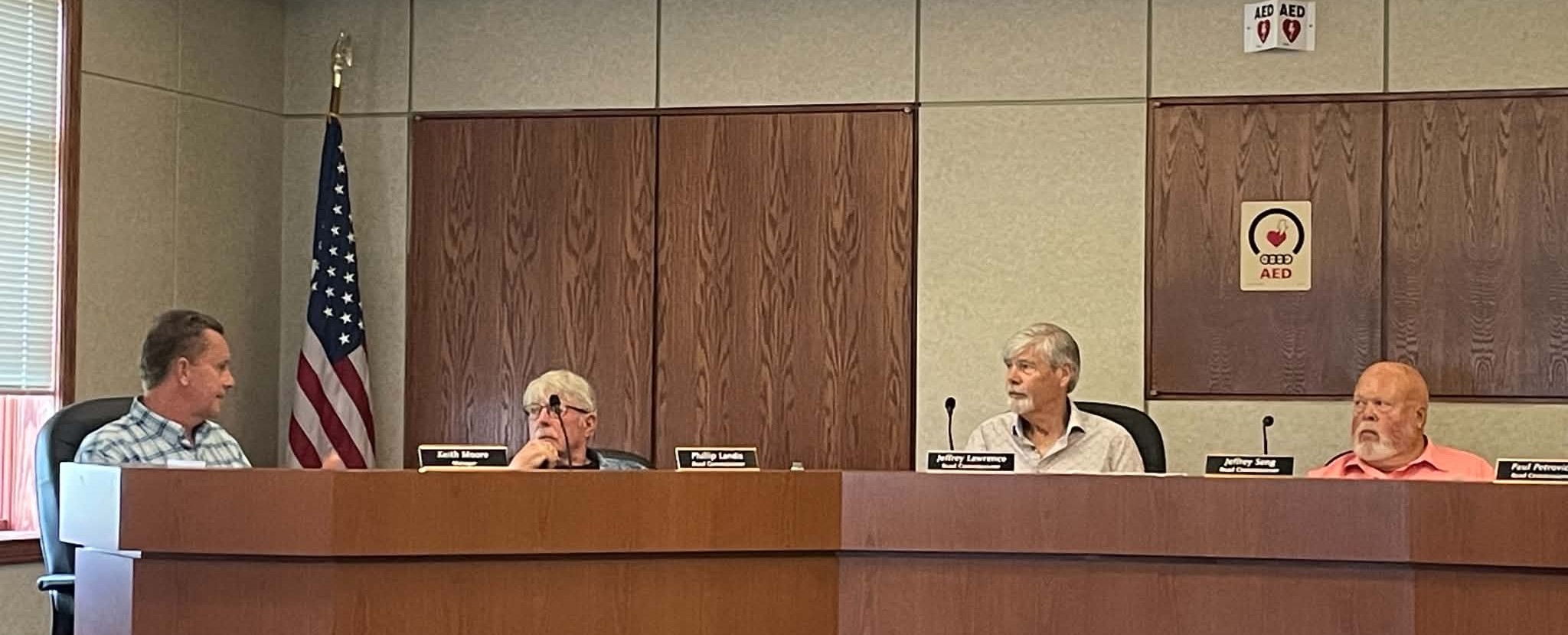
Road Commission Manager Keith Moore gave the updated estimate at the commission's June 10 meeting, according to local reporting. He said more than $2.8 million of the total is tied to High Bridge Road and Johnson Road Bridge alone.
The road commission has already spent about $233,000 from its own budget on flood recovery work.
April flooding set off the damage
The current repair effort traces back to heavy rain in mid-April, when flooding damaged roads across Manistee County and forced closures on major routes.
High Bridge Road was among the first roads closed after flooding, and River Road was also affected. County officials later declared a local state of emergency as the damage spread and infrastructure strain worsened.
Earlier reporting from mid-April showed multiple closures across the county, including High Bridge Road, while officials warned residents to avoid flooded areas and follow posted detours.
Roads still affected
By the time of the June 10 meeting, some temporary work had already allowed limited reopenings. Milarch Road was one example cited in the reporting.
Other problem spots remained unresolved. Johnson Road Bridge, High Bridge Road and parts of Fox Farm Road were still closed or under repair, leaving drivers to navigate detours and unfinished work.
The road commission's challenge is not only the cost of rebuilding, but also keeping damaged routes usable while major reconstruction remains pending.
Where officials hope the money will come from
Moore said the road commission is asking multiple agencies and partners for help, including FEMA, the Federal Highway Administration, the Michigan Department of Transportation and the Little River Band of Ottawa Indians.
That funding mix reflects both the scale of the damage and the limited capacity of the county road budget to absorb the full cost on its own.
Moore also said FEMA funding could take about a year, which makes the near-term recovery schedule uncertain even as the county keeps pushing for assistance.
Local stakes and the next checkpoint
For residents, the immediate stakes are road access, bridge safety and how long key routes stay unavailable.
For county officials, the central question is whether outside funding can arrive quickly enough to prevent the flood recovery bill from putting additional strain on the local budget.
The longer the funding gap lasts, the more likely it is that full reconstruction on the hardest-hit roads and bridges will be delayed.
The road commission's next scheduled meeting is July 8, when officials are expected to revisit repair estimates and update the timeline.
Meanwhile, the county is watching for any federal disaster declaration action tied to Michigan's April storms, along with possible commitments from FEMA, MDOT or FHWA. Those decisions will help determine whether Manistee County can move from temporary fixes to long-term rebuilding, or whether the work remains stalled while officials wait for outside money.
Revision note
Expanded into a fuller, chronology-driven initial publication with funding, road impacts, stakeholders, and next steps.