State, federal and local officials in South Texas are stepping up surveillance, movement checks and public guidance after 12 confirmed New World screwworm detections in Texas, while Webb County says it has no confirmed cases.
State, federal and local officials in South Texas are urging ranchers, pet owners and residents to stay alert after New World screwworm detections spread across multiple Texas counties and triggered a wider containment response.
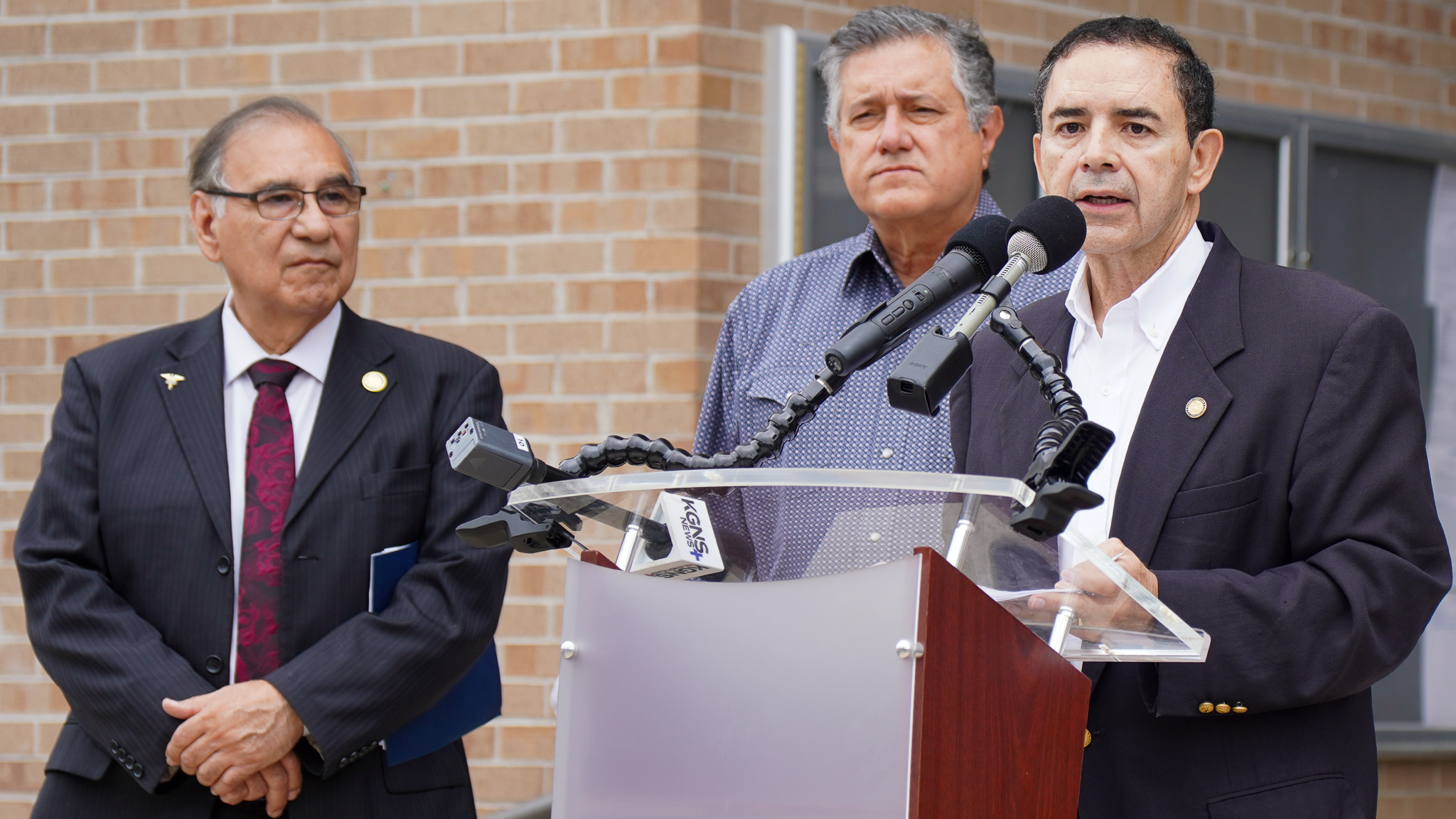
At a June 19 press conference in Laredo, officials said Webb County still has no confirmed screwworm cases. They described the county as part of an expanded monitoring effort because the outbreak has moved beyond the initial detection area in South Texas.
Texas Animal Health Commission Regional Manager Rene Garza said detections have been confirmed in Zavala, La Salle, Gillespie, Edwards, Tom Green and Sutton counties. State and federal officials have said there have been at least 12 confirmed detections in Texas animals.
The first Texas case was confirmed earlier in June in a calf in Zavala County. Since then, recent reporting has shown the outbreak widening across several counties and prompting a more organized response from animal-health officials, law enforcement and federal agencies.
Officials said the pest affects warm-blooded animals, including livestock, wildlife and pets, and can rarely affect humans. The concern in South Texas is not only the health risk to individual animals, but whether the parasite can be contained before it reaches more border counties.
How officials are responding
State and federal agencies have increased surveillance in affected areas. Compliance teams are also monitoring animal-movement requirements tied to infested zones, including road stops.
Laredo officials said they are increasing monitoring of stray dogs, stray cats and feral hogs as part of the local response. Those steps are meant to catch signs of spread in animals that are harder to track through normal ranching and transport channels.
U.S. Rep. Henry Cuellar and other officials urged ranchers and pet owners to inspect animals frequently and report suspicious wounds immediately. The Texas Animal Health Commission said the situation is treatable and asked the public not to panic.
Texas has also received federal funding that will allow the Texas Animal Health Commission to hire 15 new staff members, including 10 field inspectors. Officials said the added staffing is intended to strengthen field coverage and support the response in affected areas.
Why the outbreak matters
New World screwworm is a parasitic fly whose larvae feed on living tissue in wounds. The pest had been eradicated from Texas and the broader United States decades ago, which is why the current detections have drawn close attention from agricultural and public-safety officials.
The stakes are highest for livestock producers, but officials said the risk extends to wildlife, pets and the broader border-region economy. A wider spread could create more disruption for the Texas beef and livestock industry and make containment harder.
Officials have also been warning for more than a year about the northward spread of the pest from Mexico and Central America. The current Texas response reflects that longer-running concern, along with the need for rapid detection, movement control and public reporting.
What to watch next
The main question now is whether the outbreak stays contained to the counties already affected or spreads farther into South Texas. Officials are watching for any new detections in Webb County or nearby border counties, along with any expansion of infestation zones.
Texas and federal agencies are also watching whether more staffing, trapping or sterile-fly measures are announced as the response evolves. For now, officials say Webb County remains free of confirmed cases, but the region is treating the situation as an active outbreak with potential agricultural consequences.
Revision note
Initial automated publication.