Oil prices fell after President Donald Trump said Iran told the U.S. it would not charge tolls or other fees on ships passing through the Strait of Hormuz, easing supply-disruption fears.
Oil prices fell on Wednesday after President Donald Trump said Iran had told the United States it would not impose tolls or other charges on ships passing through the Strait of Hormuz, easing immediate fears of higher costs for tankers using the critical oil shipping route.
WSJ reported that Brent crude fell about 2.8% to $74.62 a barrel in European afternoon trade, while West Texas Intermediate dropped about 3% to $71.06. MarketWatch said Trump made the claim on Truth Social and described the arrangement as keeping the waterway toll-free for the first 60 days.
Why the market moved
The Strait of Hormuz is one of the world’s most important energy chokepoints, handling a large share of global oil shipments. Any sign that passage could become more expensive or less certain can move crude prices quickly, especially when traders are already watching Gulf tensions closely.
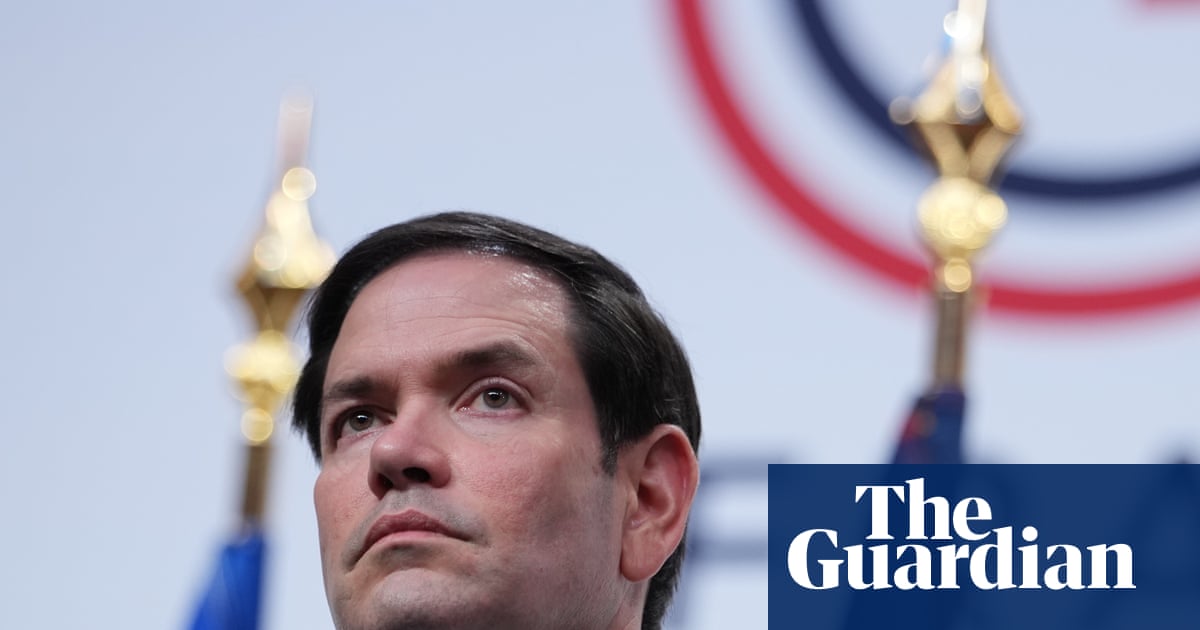
Secretary of State Marco Rubio also said no country, including Iran, would be permitted to charge tolls for passage through the strait, according to The Guardian. Barron’s reported that tanker crossings through the strait had increased sharply in the prior week, citing Kpler data, a sign that traffic was beginning to normalize.
The latest move appears to reflect an easing of supply-disruption risk rather than a full resolution of the wider regional dispute. Reporting also pointed to signs of progress in U.S.-Iran discussions and a more stable shipping picture through the waterway.
What to watch next
The key questions now are whether Iran issues its own public confirmation, how durable the no-tolls arrangement proves to be, and whether tanker traffic keeps rising in the next trading sessions. Oil prices and shipping costs will remain sensitive to any reversal in the current understanding.
Revision note
Initial automated publication.