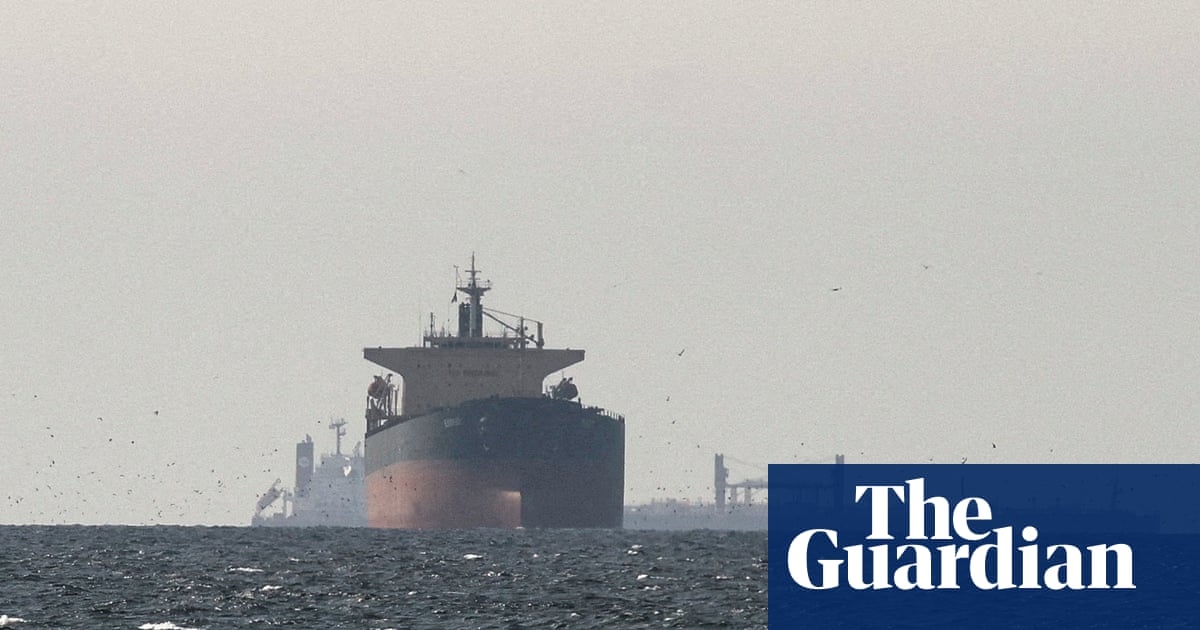
Brent crude fell back to pre-war levels on June 25 as tanker traffic through the Strait of Hormuz improved, easing some supply fears while leaving the market exposed to renewed disruption.
Brent crude fell back to about $72.24 to $72.40 a barrel on June 25, returning to pre-war levels as more tankers moved through the Strait of Hormuz and market fears of a supply squeeze eased.
The move followed reports that tanker traffic through the chokepoint had increased, including one shipping-data readout that showed 14 oil tankers passing through the strait on Tuesday and 27 on Monday. Another report said traffic had risen to its highest level since late February.
Why the market moved
The Strait of Hormuz is one of the most important oil transit routes in the world, so even a partial recovery in crossings can quickly remove some of the risk premium built into crude prices.
Reporting from the Financial Times said 31 tankers left the Gulf in a single day, and that the U.S. reported 20 million barrels passing through Hormuz in 24 hours. That added to the sense that Gulf flows were improving after the recent disruption.
Risks still remain
Analysts cited easing supply concerns, but they also warned that the market is still tight and that prices could rebound if traffic does not hold.
The latest reporting suggests shipping through the strait is improving, but it remains below normal levels. That leaves exporters, tanker operators, refiners and importers exposed to any renewed escalation or security warning.
For consumers, the latest drop in crude could ease some inflation pressure if it lasts. But a fresh disruption in Hormuz could reverse the move quickly.
What to watch next
The key question is whether tanker counts stay elevated over the next few days. Market watchers are also looking for any official shipping-security advisory that could change expectations again.
For now, the price move reflects a simple recalibration: the immediate threat to Gulf flows has eased, but the broader supply risk has not gone away.
Revision note
Initial automated publication.