Tankers are returning to the Strait of Hormuz after the U.S.-Iran ceasefire because charter rates have surged, but the route remains risky and heavily watched by officials and insurers.
Oil tankers are moving back through the Strait of Hormuz as soaring charter rates make the risky route hard for shipowners to ignore, even though security conditions have not fully normalized.
MarketWatch reported on June 23 that traffic through the chokepoint is rising again after the U.S.-Iran ceasefire. The report said ship tracking data showed 21 transits in one day, including seven vessels crossing into the Persian Gulf.
The rebound is being driven by money as much as diplomacy. Very large crude carrier charter rates were reported at about $280,000 a day, nearly triple pre-conflict levels, giving operators a strong incentive to sail rather than wait on the sidelines.
What the traffic data shows
The latest traffic figures suggest a tentative recovery, not a return to normal. The ships moving through the strait include vessels going in both directions, and the increase came after a period when the route was badly disrupted.
One reported example was a Liberia-flagged very large crude tanker heading outbound as the flow of ships picked up again. That kind of movement matters because it shows operators are testing the route while the market reward remains unusually high.
The Strait of Hormuz is still a high-risk chokepoint, and the reporting does not show that the security situation has been fully reset. Rather, it shows that the earnings opportunity is currently strong enough to bring some ships back before the danger premium has disappeared.
The backlog is still large
The recovery is also being measured against a substantial backlog. Kpler said about 162 laden oil tankers were still in or around the Strait of Hormuz, holding roughly 120 million barrels of crude and crude products.
That inventory of stranded or delayed cargoes is a reminder that the disruption did not end when the first signs of reopening appeared. Even with more vessels now crossing the waterway, the route is still clearing out the consequences of the earlier shock.
MarketWatch had already reported on June 18 that reopening was likely to be gradual and that a tanker backlog remained trapped around the strait. The new traffic data suggests movement is improving, but not yet enough to erase the earlier bottlenecks.
Security, insurance and operating risk
War-risk insurance premiums remain elevated, which means operators are still balancing bigger revenues against higher costs and greater uncertainty. The route is not fully open for normal operations, and the reporting says operational restrictions and security risks remain in place.
That combination is important for the market. High freight rates can persuade owners to sail, but the higher cost of cover and the chance of another incident can just as quickly reverse the incentive if conditions deteriorate again.
The current recovery therefore looks fragile. It depends on ships continuing to find the payout worth the risk, and on the ceasefire holding long enough for insurers and charterers to regain confidence.
Officials are pressing for toll-free passage
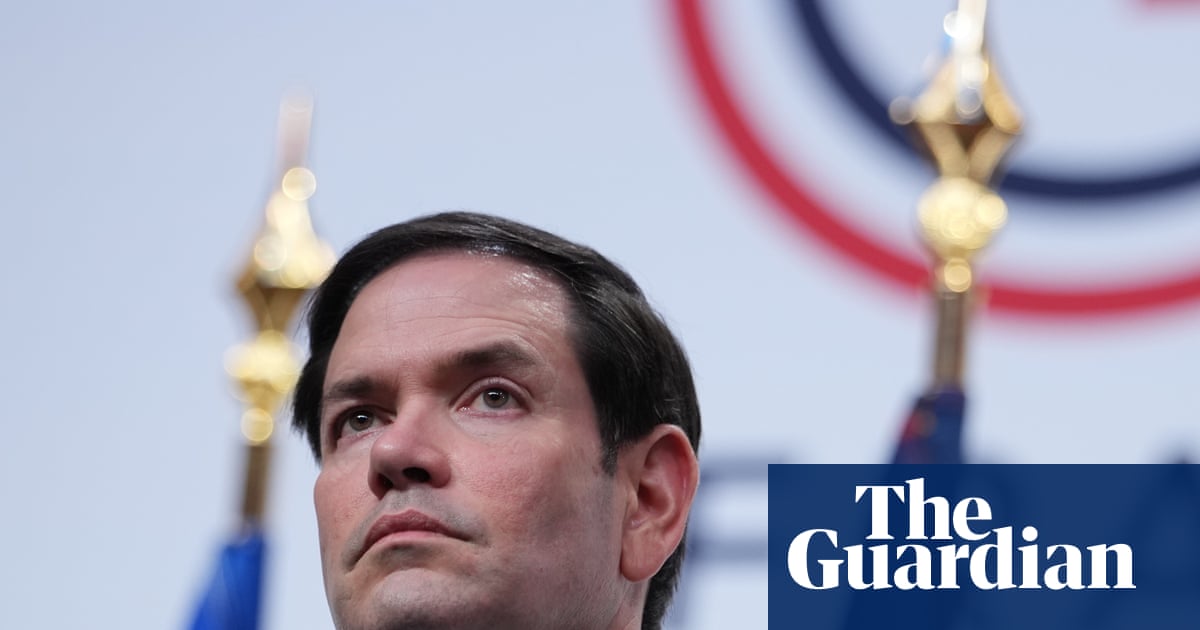
The shipping rebound is unfolding alongside public pressure from U.S. and Gulf officials to keep the waterway open and toll-free. On June 23, U.S. Secretary of State Marco Rubio said no country will be allowed to charge tolls for passage through the Strait of Hormuz.
Oman’s foreign minister, Badr Al Busaidi, also said the route should remain toll-free and safe for passage. That matters because reporting has raised questions about whether navigation costs could be managed or charged in some form.
A separate report from June 23 said Iran and Oman discussed the idea of handling costs of navigating the strait, but the U.S. position was that any tolls would be unacceptable on an international waterway. For now, the dispute is more about language and leverage than a settled policy framework.
Why the market cares
Any sustained improvement in Hormuz traffic can affect a large share of global oil and LNG flows. The strait is a critical energy chokepoint, and even a partial return of tanker traffic can ease supply concerns if it lasts.
That is one reason traders see the recovery as bearish for crude. More Middle East oil reaching the market would increase available supply, while a fresh security scare would likely push insurance costs higher and reroute ships again.
The immediate question is whether this is the start of a durable normalization or just a short-lived response to unusually high payouts. The answer will depend on whether transits keep rising, war-risk premiums ease, and the ceasefire holds without a new incident.
What to watch next
The next signs will be practical rather than political. Analysts will be watching whether daily transits keep rising beyond the first post-ceasefire uptick, whether tanker rates remain high enough to justify the route, and whether insurers begin cutting premiums.
They will also be watching for any new official language from the United States, Iran or Oman on fees, tolls or transit rules. Any fresh disruption in the strait could quickly slow the return of ships and revive the backlog.
Revision note
Initial automated publication.