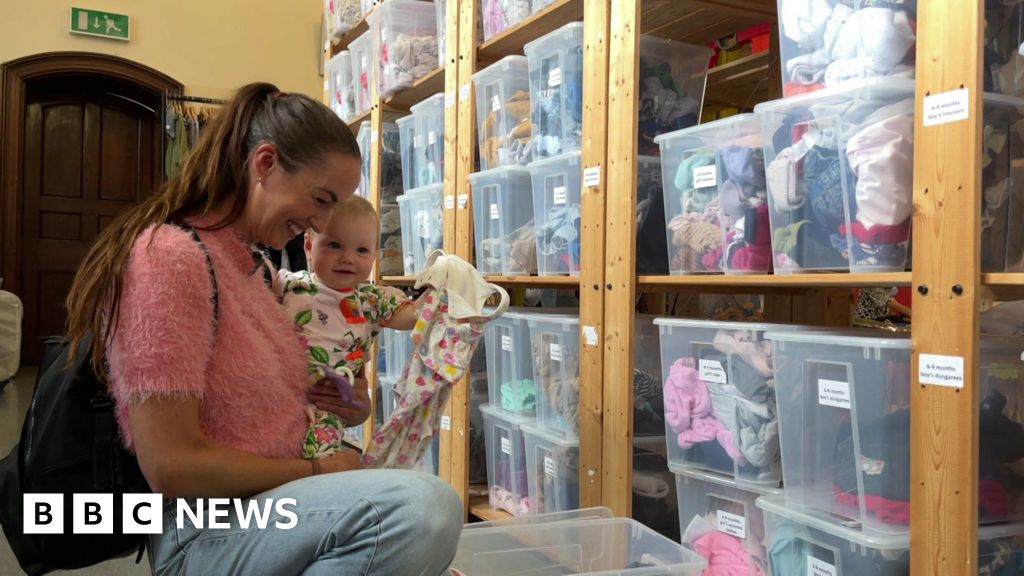
BBC reports that a second-hand shop selling children’s clothes for 50p is seeing rising demand as families try to cut costs. The story fits a wider UK trend of parents turning to preloved baby and children’s wear amid cost-of-living pressure.
Rising demand at a 50p shop
A second-hand shop selling children’s clothes for 50p is seeing rising demand as families look for cheaper ways to stretch their budgets.
BBC reported on Thursday that parents are increasingly turning to ultra-low-cost clothing as the pressure on household finances continues to bite. The report did not identify the shop’s name or location, but said demand has risen enough to make it a notable lifeline for local families.
Why parents are turning to resale
Children outgrow clothes quickly, which makes baby and kids’ wear one of the easiest parts of the family budget to trim. For parents facing higher living costs, second-hand clothing can offer a practical way to keep children dressed without paying full retail prices.
That shift is not happening in isolation. Financial Times reported in late May that more parents are seeking out preloved children’s clothing as an affordable and sustainable option. The broader second-hand clothing market is also expanding, with one forecast cited by The Guardian pointing to 12% growth in 2026.
A wider pressure point
The BBC story lands against a backdrop of wider concern about what families can afford for newborns and young children. In April, Barnardo’s said four in 10 UK parents struggled to afford essential items for newborns.
That helps explain why cheap resale and charity channels are becoming more important. For families under strain, a 50p shop is not just a bargain hunt. It is a way to make essential spending go further.
What remains unclear
The report leaves some questions unanswered. It does not say how large the demand increase has been, over what period it has risen, or whether the shop is charity-run, community-run or privately operated.
The next updates to watch are local reaction, any official data on household hardship, and whether other second-hand children’s clothing sellers are seeing the same pattern.
Revision note
Initial automated publication.