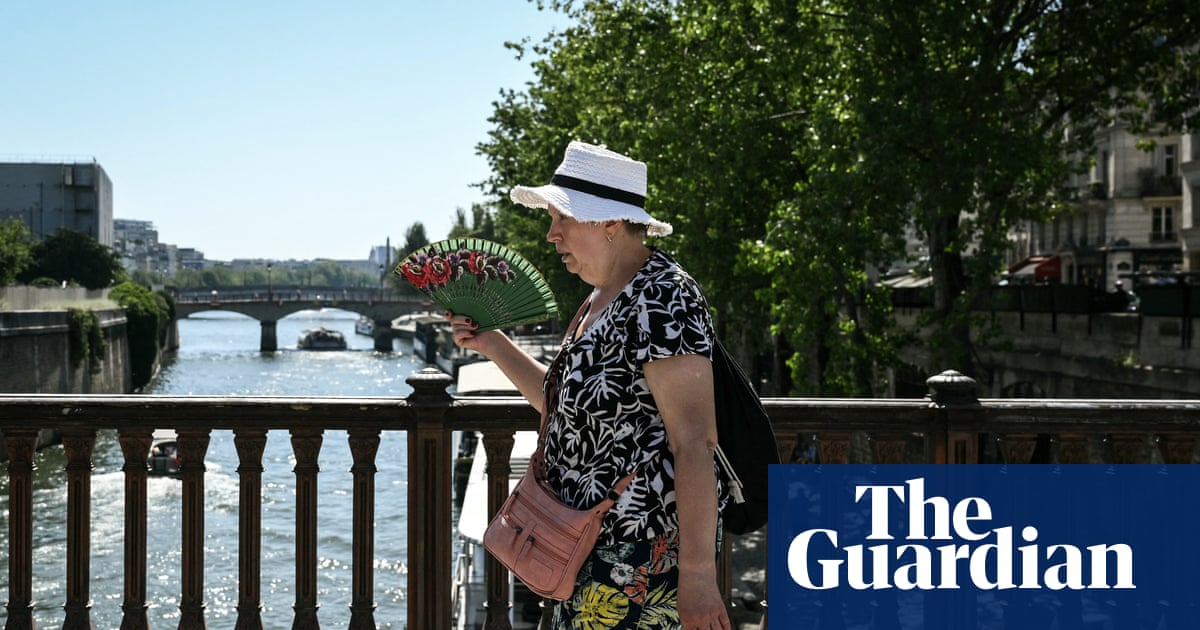
Paris has broadened its heatwave response with around-the-clock park access, alcohol restrictions tied to the Fête de la Musique, and expanded cooling options as temperatures climb above 40C in parts of France.
Paris is widening its heatwave response as France endures an exceptional June temperature spike, opening some parks around the clock, tightening alcohol rules in parts of the city, and expanding access to cooling spaces and water points.
The measures come as Météo-France keeps widespread alerts in place and warns that temperatures will remain very high through the week. Reporting on June 24 said Paris was moving into broader heatwave mode just as the city and the rest of the country faced rising public-health pressure.
What Paris is changing
Among the most visible steps, some parks in Paris are staying open 24 hours so residents can find cooler outdoor space later in the day or overnight. The city has also expanded access to air-conditioned public buildings and public fountains, part of a wider effort to give people places to cool down during the hottest hours.
Paris has also restricted alcohol consumption in public spaces linked to the Fête de la Musique, including parts of the Seine and Canal Saint-Martin, while still allowing licensed bars and cafe terraces. Officials have paired those limits with a larger public-safety presence, including thousands of police and emergency workers reported on the city response.
How the heatwave escalated
The broader French response began earlier in the week, when authorities canceled or modified events and imposed alcohol restrictions in affected areas. By June 24, the situation had intensified enough for Paris to add broader heatwave measures rather than rely only on the national alert system.
Le Monde reported that museums and monuments in Paris were also adjusting operations, with some sites turning into cool refuges and others closing or reducing access because of the heat. That has made the capital part of a wider network of improvised cooling spaces as the temperature spike continues.
France recorded its hottest day since records began on June 24, according to Le Monde's reporting on Météo-France data, and Paris reached 40.3C. The heat has pushed the city into the kind of emergency posture usually reserved for the most severe weather episodes.
Who is affected
The immediate impact is falling on festivalgoers, outdoor workers, schoolchildren, tourists, and older people or others at higher risk from extreme heat. Some outdoor sporting events have been canceled, and some schools have closed or sent pupils home early because of the temperatures.
The strain is also reaching emergency services and hospitals, which are among the main reasons local authorities tend to widen heat-response measures when forecasts show little overnight relief. City officials are trying to reduce the number of people exposed to prolonged heat in public spaces while keeping the capital functioning.
Why Paris can act this way
France's heatwave alert system was strengthened after the deadly 2003 heatwave, and local authorities can add restrictions based on temperature forecasts, the expected duration of the event, night-time cooling, crowd risk, and hospital capacity. That framework gives Paris room to move quickly when conditions worsen.
Paris has also been investing in longer-term cooling measures such as shade, fountains, and green space. This heatwave is a test of how those permanent changes work alongside short-term emergency steps.
What happens next
Officials are watching the temperature peak, hospital pressure, and whether the city needs to extend overnight park access or add new restrictions if the heat holds. National authorities could also broaden guidance for other cities if conditions remain severe.
For now, Paris's response shows how a major European city is trying to keep public life moving while adapting daily routines to a dangerous heatwave.
Revision note
Initial automated publication.