Australia’s pesticide regulator has kept paraquat approved but imposed tighter use conditions after a long review, renewing criticism from Parkinson’s advocates and some scientists who want a ban.
The Australian Pesticides and Veterinary Medicines Authority has decided not to ban paraquat, instead keeping the herbicide approved under tighter conditions after a long-running review.
The final decision was reported on Tuesday, 23 June 2026, and also applies to diquat, a related chemical reviewed alongside paraquat. The APVMA said the changes are designed to reduce exposure while allowing the chemicals to remain available for agricultural use.
The regulator said the weight of evidence does not show that exposure through approved paraquat uses increases the risk of developing Parkinson’s disease. That finding is expected to remain controversial, with Parkinson’s advocates and some scientists arguing the evidence supports a ban rather than more restrictions.
What the APVMA changed
The new conditions bring several practical limits on how paraquat can be used.
Backpack sprayers are to be phased out. Mixing and loading must be done with enclosed systems. Users will need enhanced personal protective equipment.
The APVMA also cut the maximum application rate to 231 grams per hectare from 1,150 grams per hectare.
A higher rate will still be allowed for technology-assisted spot spraying, but only across up to 30% of a total area.
Taken together, the changes amount to a substantial tightening of use even though paraquat remains legal.
A long review ends without a ban
The APVMA review received 171 submissions from scientists, doctors, industry and other interested parties.
Reporting on the issue traces the review back decades, with the controversy around paraquat described as stretching to reconsideration priorities in the 1990s and earlier regulatory attention from 1997.
That history has made Tuesday’s decision more than a routine label update. It sits at the centre of a long argument over chemical regulation, public health and the pace of regulatory action.
The decision also comes after years of pressure from campaigners who say Australia should follow countries that have already banned paraquat.
Reaction from health advocates and farmers
Parkinson’s Australia criticised the decision and said it would continue campaigning for a ban.
The group’s position reflects a precautionary view that paraquat should not remain in use while concerns about neurological harm persist.
Farmers and industry groups took the opposite view. The National Farmers’ Federation said paraquat is important for productive farming and for no-till agriculture, which reduces soil disturbance and is widely used in broad-acre systems.
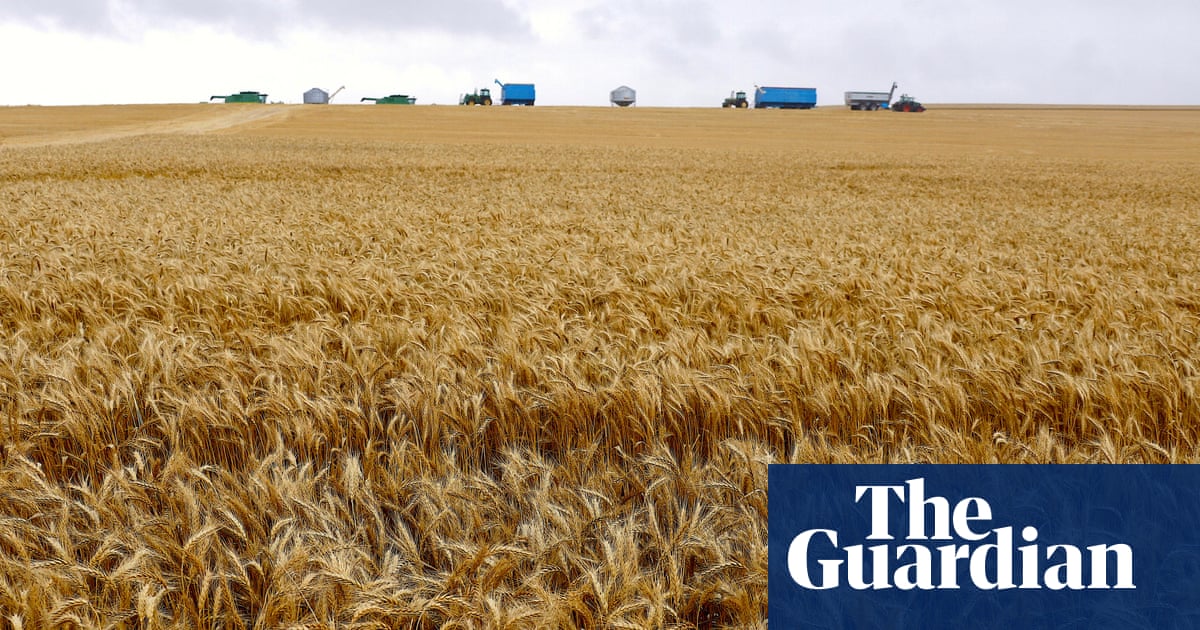
Paraquat is used in Australian agriculture across grains, sugarcane, cotton and horticulture, making the decision significant for weed control practices in multiple sectors.
The wider stakes
Paraquat is reported as banned in more than 70 countries, which has kept pressure on Australian regulators and politicians to explain why it remains available here.
The dispute also highlights a broader policy divide over whether regulators should rely on tighter controls or move to a full ban when scientific evidence remains contested.
For workers and communities, the issue remains the potential human-health risk from exposure. For farmers, the concern is losing a widely used herbicide that supports weed control and no-till systems.
The APVMA’s decision ends one stage of the review, but it does not settle the wider political fight.
What happens next
The immediate next step is implementation of the new label conditions and compliance changes.
Open questions remain about when the new restrictions will take full effect and how existing stock will be phased out in practice.
Further political pressure is also likely. Advocacy groups may keep pushing for a full ban, while farming groups are expected to defend the decision as a workable compromise.
The regulator’s final position is likely to remain under scrutiny as debate continues over paraquat, Parkinson’s disease and the balance between agricultural use and public-health risk.
Revision note
Initial automated publication.