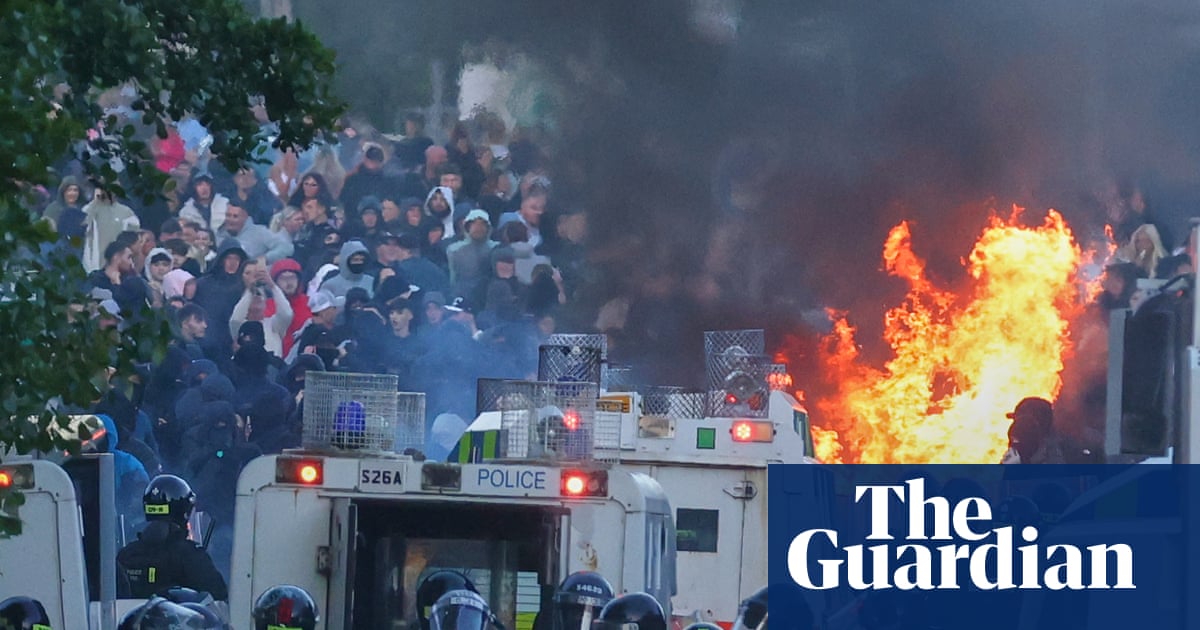
A monitoring group says it repeatedly warned the Police Service of Northern Ireland that homes and HMOs were being identified online before some were targeted in the Belfast disorder. The report raises fresh questions about what police knew, when they knew it, and what action they took.
Months of warnings
Police in Northern Ireland were warned for months that a list of addresses was being circulated online before some of those homes were targeted during the Belfast disorder, according to reporting published on June 11.
The Guardian reported that Accountability Project Northern Ireland repeatedly alerted the Police Service of Northern Ireland from late 2025 onward about anti-immigration activity and a growing focus on specific homes and houses in multiple occupation.
The group said it first noticed attention turning to HMOs in August 2025, then began sending reports to police in November. The Guardian said a so-called hitlist of addresses had been circulating among far-right groups since August and was sent to a PSNI inspector in January 2026.
According to the group, it sent dozens of reports to the PSNI between November 2025 and June 2026 warning about escalating threats and the identification of addresses online.
What was targeted
The addresses on the list were among locations targeted during this week’s anti-immigration disorder in Belfast.
Reporting from AP and other outlets said the violence followed a knife attack in north Belfast and spread into two nights of unrest, including arson, attacks on police and targeting of homes believed to house migrants or minority ethnic residents.
That broader context matters because the core allegation is not just that online abuse was circulating, but that private addresses were identified before violence reached them on the street.
The research also notes that the wider disorder left families and residents distressed, and in some cases exposed to further fear over the publication of personal details online.
Police warnings and public safety
The PSNI warned earlier this week against sharing home addresses online and said families and residents had been left extremely distressed.
Police said the sharing of address details online was totally unacceptable and that publishing material intended to endanger others may be a criminal offence.
PSNI also said it had made arrests and was investigating the online sharing of personal details.
That warning now sits alongside the allegation that police had been informed well before the disorder about a list of addresses that was later used by extremists and disorderly crowds.
Political response
Northern Ireland Secretary Hilary Benn condemned the violence as racist thuggery after the second night of unrest.
Reporting on the disorder also said 16 people were arrested and 12 police officers were injured.
Alliance MLA John Blair and affected families are among those facing the consequences of the address-sharing and the wider disorder, which has intensified scrutiny of policing and public protection in Belfast.
What remains unclear
The central unresolved question is whether the PSNI received and reviewed the January 2026 address list before the disorder, and what if anything it did with the warnings.
It is also unclear how many homes were directly targeted or evacuated, and whether the handling of the warnings will be reviewed by an oversight body or through a formal inquiry.
The reporting leaves a broader question hanging over the violence: whether the circulation of a private address list could have been disrupted earlier, before residents were left exposed to attack.
Revision note
Initial automated publication.