Qatar’s prime minister says a direct US-Iran hotline is needed to keep the Strait of Hormuz reopening on track, as shipping recovers and Gulf powers clash over tolls and administration.
Qatar’s prime minister said a direct US-Iran hotline is essential to keep the Strait of Hormuz reopening on track, as shipping through the chokepoint begins to recover after a fragile ceasefire and a temporary maritime understanding.
Sheikh Mohammed bin Abdulrahman al-Thani’s comments add a fresh diplomatic push to a process that remains incomplete. According to Financial Times reporting published on June 24, he said a deconfliction channel would help verify threats to ships and reduce the risk of another disruption in one of the world’s most important energy corridors.
The reopening of Hormuz is being watched closely because the strait carries a large share of global oil and liquefied natural gas flows. Any renewed disruption could slow the return of commercial traffic, raise insurance costs and unsettle energy markets.
A fragile reopening
AP reported on June 23 that ship traffic through Hormuz was gradually increasing, but that the central channel remained constrained by mines and route limitations. Vessels have been using alternative routes while the broader arrangement works its way toward something more durable.
The Financial Times said Qatar expects LNG production and shipping through the strait to normalize over the coming weeks if the ceasefire holds. The report also said QatarEnergy would resume operations once safety is assured after earlier force majeure declarations tied to Iranian attacks.
That timeline matters for Qatar’s export system and for the wider Gulf shipping network. Even a gradual return to normal traffic leaves commercial operators, insurers and governments trying to price risk while the political framework remains unsettled.
The research packet says the current situation follows a memorandum of understanding signed by the United States and Iran that includes temporary toll-free passage through Hormuz during a 60-day window. That arrangement appears to have bought time, but not resolved the underlying disputes.
Who controls passage
The biggest unresolved question is who can administer the waterway and whether any country can charge for passage.
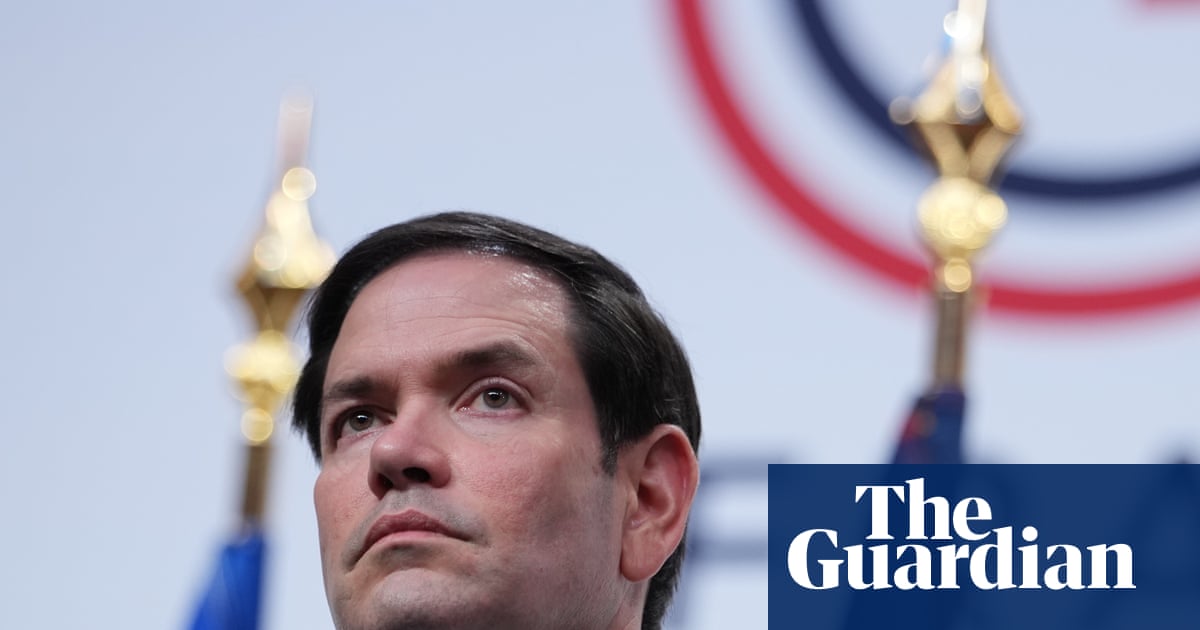
The U.S. position is that no country should be allowed to impose tolls or unilateral fees. The Guardian reported that Secretary of State Marco Rubio made that point as he arrived for Gulf talks after the ceasefire.
At the same time, Iran and Oman have been discussing a separate track. The Guardian’s live coverage on June 23 reported that the two countries formed a joint working group on administration of the strait and possible service costs, while Oman’s foreign minister said both sides were committed to toll-free safe passage.
That leaves a gap between the public positions. The U.S. is rejecting any toll regime, while Iranian and Omani messaging has referred to administration and costs in ways that suggest those details are still being negotiated.
AP also reported that broader negotiations remain unsettled, with disputes continuing over inspections, sanctions relief and whether Iran will seek passage fees after the temporary toll-free window ends.
Qatar’s diplomatic role
Qatar’s call for a hotline fits into a broader regional mediation effort. The research packet says Qatar and Pakistan have been helping to mediate around the maritime and ceasefire framework, even as the U.S., Iran and Oman contest the future terms of passage.
Sheikh Mohammed’s push for direct communication is aimed at avoiding another spiral of mistrust. A hotline would be less about symbolism than about operational safety: verifying threats, reducing confusion and limiting the risk of miscalculation around ships.
That is especially relevant because the reopening is still fragile. If the deconfliction channel is not formalized or trusted quickly enough, the recovery in traffic could stall.
The reported diplomatic effort also reflects the broader role Qatar has played in regional crisis management. In this case, the goal is narrow and practical: preserve a working channel between Washington and Tehran while the maritime and political details are still unsettled.
Commercial stakes
The economic stakes are immediate. QatarEnergy’s export schedule depends on safe passage through the strait, and the Financial Times said normalization may take weeks rather than days.
A disruption in Hormuz would matter beyond Qatar. The strait is a chokepoint for global oil and LNG shipments, so a setback could hit delivery schedules, lift freight and insurance costs, and create new uncertainty for energy buyers.
Those risks are not abstract. Any prolonged dispute over tolls, administration or route security would add legal and commercial friction for shipowners, charterers and insurers trying to assess whether the corridor is truly reopening.
The open question is whether the current ceasefire framework can mature into a stable operating regime. If it does not, the shipping recovery could become a temporary pause rather than a lasting normalization.
For now, the key variables are straightforward: whether the ceasefire holds, whether a US-Iran hotline or other deconfliction channel is created, and whether the toll dispute hardens into a new source of friction.
The next signs to watch are any formal statement on a hotline, any clarification from Oman or Iran on passage costs, and shipping data showing whether central Hormuz traffic continues to recover.
Revision note
Initial automated publication.