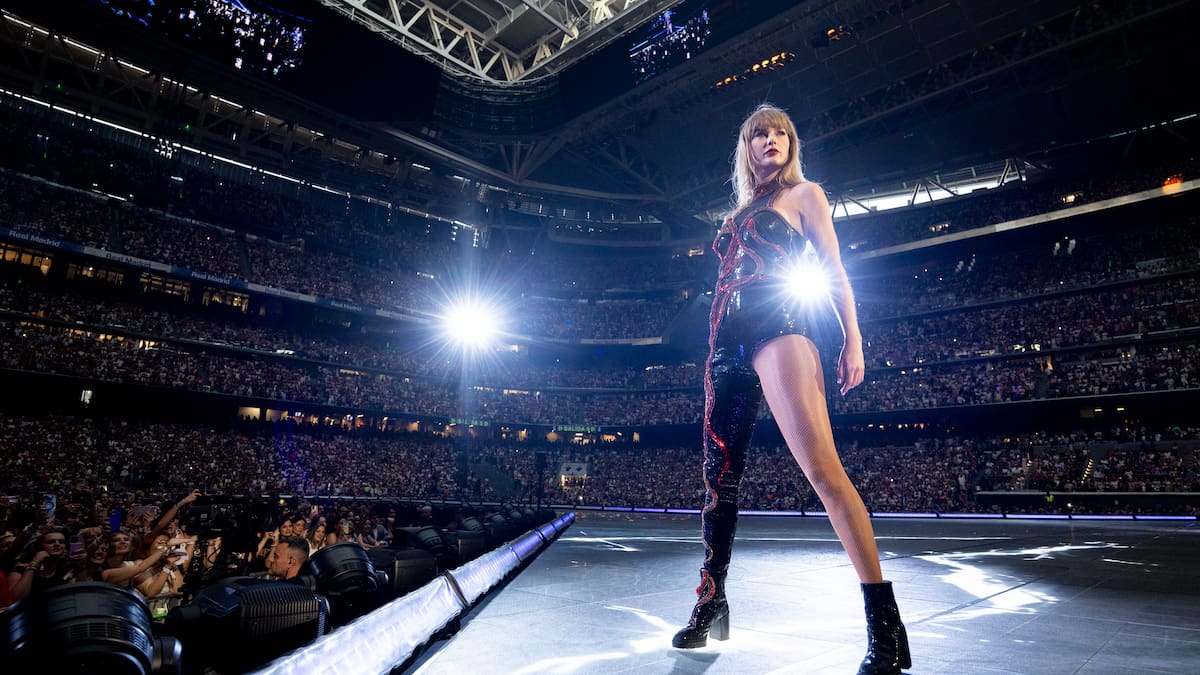
Real Madrid says Spain's Supreme Court did not rule that Bernabéu concerts are illegal, after the court inadmitted the club's appeal and sent the dispute back to a Madrid administrative court. The underlying legality question remains unresolved.
Real Madrid is pushing back on reports that Spain's Supreme Court banned concerts at the Santiago Bernabéu, saying the high court did not decide the substance of the dispute.
The club said the court only rejected its appeal on procedural grounds and did not rule on whether concerts at the stadium are legal or illegal under the current planning and licensing framework.
The clarification followed reports on Tuesday that the Supreme Court had inadmitted Real Madrid's appeal in a case tied to concert use at the Bernabéu. Those reports said the matter was sent back to Madrid's Administrative Court No. 31 for further proceedings.
Real Madrid said the decision should not be read as a substantive defeat. In its account, no court has declared Bernabéu concerts contrary to urban planning rules or to the authorizations in place for the stadium.
What the Supreme Court did
The key distinction is between a procedural ruling and a merits ruling. Based on the reporting reviewed, the Supreme Court declined to hear the club's appeal but did not answer the underlying legal question.
That means the core issue remains open: whether the Bernabéu can host concerts under the licenses and planning regime that govern the stadium.
The dispute now returns to a Madrid administrative court, which will continue handling the case. Until that court rules, there is no final judicial determination on whether concerts are permitted.
Why the ruling matters
The wording of the court action matters because it changes the legal and public interpretation of the case. A procedural inadmission is not the same as a finding that concerts are illegal.
For Real Madrid, that distinction is important commercially and reputationally. The Bernabéu is central to the club's broader plan to use the redeveloped stadium as a multiuse venue, and concert revenue is part of that strategy.
For opponents of the concerts, including a residents' association challenging the stadium's event use, the case remains a live test of whether the venue's current planning and licensing structure allows large non-football events.
How the dispute developed
The Bernabéu concert fight has been part of a wider set of legal and political disputes around the stadium's redevelopment, including complaints over noise, permits and the impact of large events on the neighborhood.
Reporting reviewed for this story says the challenge centers on whether the stadium's planning regime allows concerts in the first place. That issue has not been resolved by the Supreme Court's recent action.
Earlier coverage has also described other open disputes around the Bernabéu, including issues related to licensing, noise and parkings, showing that the concert case is one piece of a broader legal picture.
Real Madrid's response
Real Madrid issued a statement after reporting on the court action, saying the Supreme Court had not issued any ruling on the legality of the concerts.
The club said the matter is procedural and maintained that no court has declared the concerts contrary to urban planning rules or the applicable licenses. It also compared the concert authorizations for the Bernabéu with those at other major venues such as the Metropolitano.
That response appears aimed at correcting headlines that suggested the club had lost a final legal battle over concerts at the stadium. On the reporting reviewed, that is not what happened.
What happens next
The dispute now continues in Madrid's Administrative Court No. 31, which will handle the next stage of the case.
Future rulings could still decide whether concerts are permitted under the stadium's current authorizations, and whether any restrictions apply while the litigation continues.
It is also possible that the residents' association or Real Madrid seeks further legal steps after the lower-court process advances. For now, though, the immediate development is narrow but important: Spain's Supreme Court did not rule Bernabéu concerts illegal, and the underlying legality question remains unresolved.
Revision note
Expanded into a fuller multi-section article with chronology, legal context and next steps.