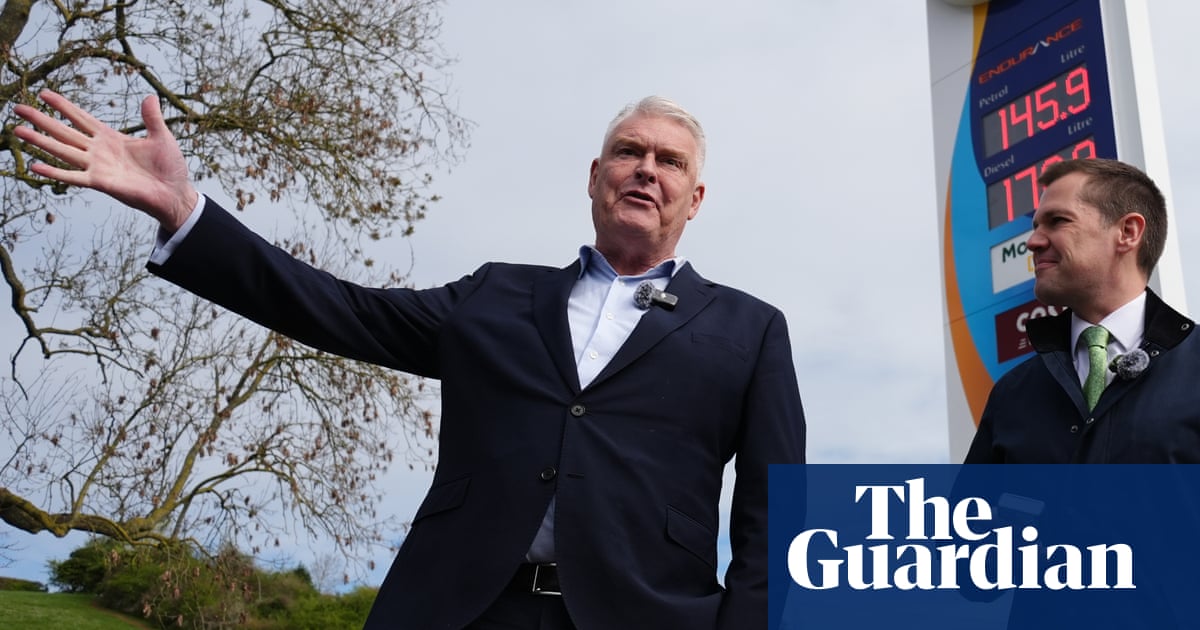
Nottinghamshire County Council, led by Reform UK, says it has found no sponsors for its £75,000 union-flag scheme and is paying for it itself. The result undercuts earlier claims from Lee Anderson that local businesses would fund the project and taxpayers would not be left with the bill.
Nottinghamshire County Council, led by Reform UK, says it has not found any sponsors for a union-flag display scheme that was promoted as a project local businesses would fund.
The council is now paying for the £75,000 scheme itself, according to reporting published on July 3, 2026. The plan covers flags mounted on about 180 lamp-posts and other sites across the county.
The shortfall creates an immediate accountability story for a council that had presented the scheme as a symbol of civic pride, while its backers argued it would not fall to taxpayers.
From approval to sponsorship pitch
Nottinghamshire County Council approved the scheme in autumn 2025. A council document said the flags were intended to enhance civic pride, and added that the brackets would also be used for banners about local services.
The sponsorship idea was then turned into a public political pitch by Reform MP Lee Anderson. In a video posted in December 2025, he said local businesses would sponsor the scheme and that it would not cost taxpayers anything.
Anderson also said the brackets could be used to advertise for foster carers and kinship carers, broadening the scheme beyond flags alone.
No sponsors found
By July 3, 2026, the picture had changed. A Nottinghamshire council spokesperson said no sponsors had come forward, and that the council was paying for the project itself.
That leaves the bill with the local authority rather than outside backers. The confirmed result is the opposite of the cost-free framing used when the scheme was sold publicly.
The story matters because it goes to both spending and political messaging. Reform has used flag symbolism as part of its local politics, but this case now tests whether that approach can be delivered without public cost.
Political and financial stakes
The immediate financial consequence is straightforward: the council, and therefore taxpayers, are covering the cost.
The political consequence is more pointed. Anderson’s claim that the scheme would not cost a single penny of taxpayer money now sits alongside the council’s confirmation that no sponsorship materialized.
The episode also adds scrutiny to how the project was planned and communicated. The council document described the flags as civic pride infrastructure, but the public promise was that businesses would pick up the tab.
What remains unclear
The available reporting does not say whether any businesses seriously considered sponsoring the scheme before pulling out, or whether invoices have already been fully settled.
It is also not yet clear whether Nottinghamshire County Council will publish a formal written response, or whether Reform figures will issue further comment on the shortfall.
For now, the central fact is settled: the sponsorship promise behind the union-flag scheme has collapsed, and Nottinghamshire County Council is paying for it itself.
That leaves the project as an immediate test of whether a politically symbolic initiative can be justified on the basis originally advertised, when the private funding does not appear.
Revision note
Expanded to a fuller initial article with chronology, stakes, and unresolved questions.