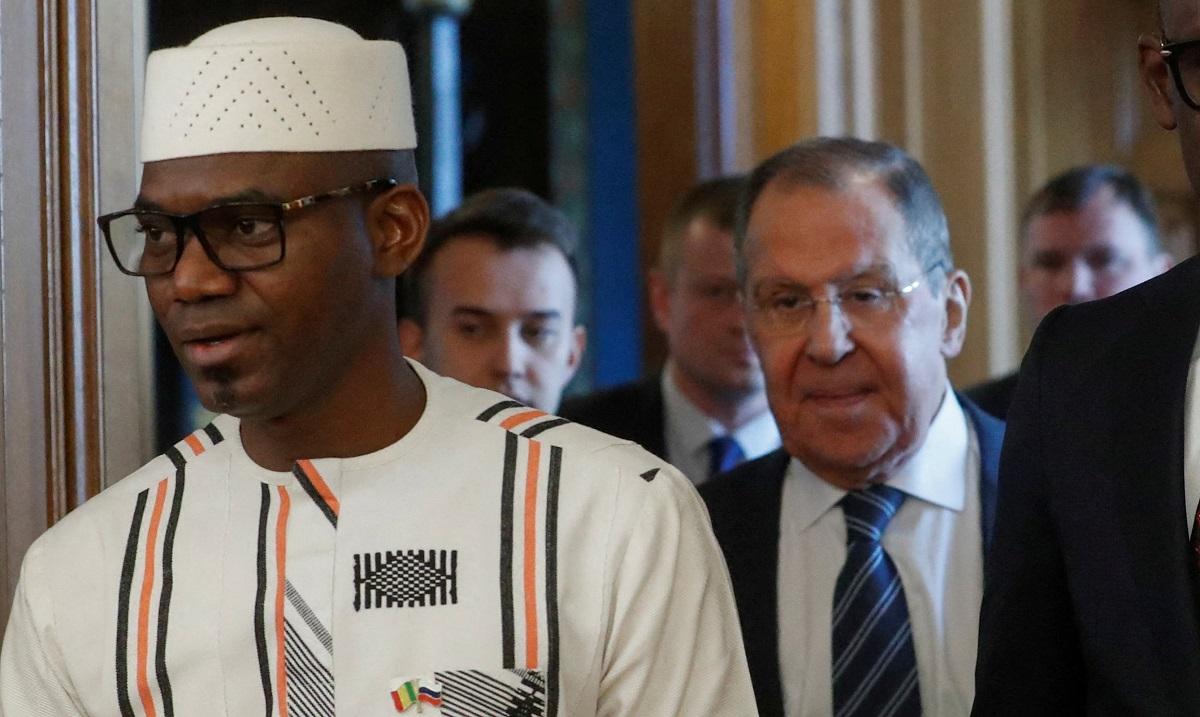
Fresh reporting says Mali's coordinated attacks escalated further on April 26, with Reuters and AP reporting that Defense Minister Sadio Camara was killed and the UN saying clashes were still continuing.
Fresh reporting on Mali’s coordinated attacks indicates the crisis has escalated further, with Reuters and AP reporting that Defense Minister Sadio Camara was killed and the United Nations saying clashes were still continuing on April 26.
The violence began on April 25, when coordinated attacks hit multiple locations across the country, including Bamako, Kati, Gao, Kidal and Sévaré. The Malian army said armed groups targeted locations and barracks, while later reporting described a fast-moving situation with competing claims over control of Kidal.
Reuters and AP both reported on April 26 that Camara was killed in the attacks, citing relatives and other sources. There was no immediate official confirmation from the Malian government in the reporting reviewed.
AP also reported that Malian troops and Russian mercenaries withdrew from Kidal after the attacks, based on rebel claims. Those claims could not be independently verified in the material reviewed.
The United Nations issued statements on April 25 and April 26 condemning the violence, saying it was deeply concerned and that clashes were continuing. It also renewed warnings about the spread of violent extremism across the Sahel.
Mali has faced years of militant violence, separatist conflict and instability, and the latest attacks point to a deteriorating security picture. Key unanswered questions include whether the government will formally confirm Camara’s death, who now controls Kidal and how many people were killed or wounded across the country.
Revision note
Updated with confirmed wire reporting on the defense minister and continuing clashes.