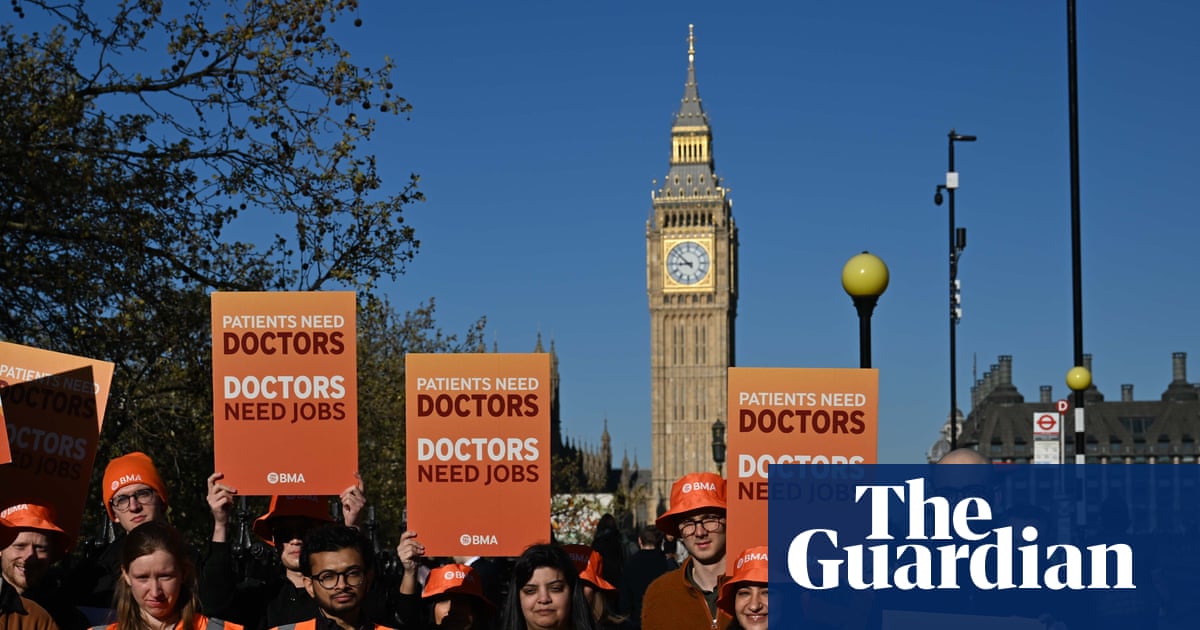
Resident doctors in England have cancelled a planned June 15-19 strike after a last-minute government offer. The BMA will ballot members on the proposal, which reportedly includes a 6.6% pay rise, more training places and wider contract terms for locally employed doctors.
Resident doctors in England have cancelled a planned four-day strike after a last-minute government offer, easing an immediate threat to NHS services while leaving the wider dispute unresolved.
The British Medical Association said the walkout, due to begin at 7am on Monday, June 15, and run until 6.59am on Friday, June 19, had been called off after the new offer arrived late on Saturday. The strike would have been the 16th in the dispute since March 2023.
The union said the proposal will now be put to members in a vote. If it is accepted, it could open a route toward ending one of the NHS’s longest-running labor disputes. If members reject it, the BMA has said further action could follow in July.
What changed
Earlier reporting had said resident doctors were due to stage the June strike after a breakdown in talks over pay and training. The new offer came at the last minute, prompting the union to suspend the action before it began.
The BMA has not said the dispute is over. Instead, it has shifted the next decision to its members, who will now weigh whether the government’s latest offer is enough to justify a pause in industrial action.
What the offer reportedly includes
The reported package includes an average 6.6% pay increase, with full implementation by April 2027. It also reportedly promises 4,500 specialty training places over three years.
Another reported element would extend the standard 2016 junior doctor contract terms to locally employed doctors. The government had previously offered 4.9%, which the BMA rejected.
Why the cancellation matters
Avoiding the strike should reduce pressure on NHS appointments, rotas and emergency care planning in the coming week. NHS leaders had already warned that another walkout would add strain to services that remain under pressure.
The dispute has centered on pay, training and employment conditions for resident doctors, formerly known as junior doctors. Those issues are still live, and the latest offer has not yet been approved.
What happens next
The BMA will circulate the offer to members and wait for the result of the vote. That decision now becomes the main test of whether the latest government move can de-escalate the dispute.
If the offer is accepted, the immediate threat of renewed strike action would ease. If it is rejected, the union has said it could move to escalated action in July.
For now, the June 15-19 strike is off, but the dispute remains active and the next stage will be decided by resident doctors themselves.
Revision note
Initial automated publication.