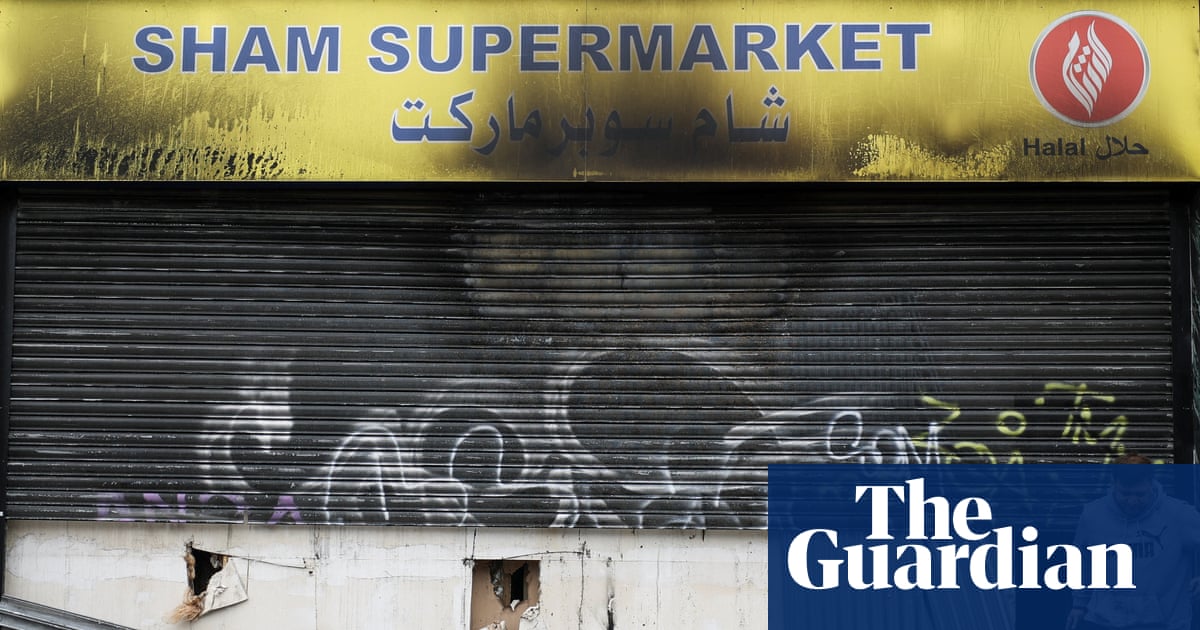
Belfast residents described disgust, shame and fear after anti-immigrant rioting disrupted daily life, including access to care. Police said 19 people have been arrested.
Residents speak out
Residents in Belfast have described disgust, shame and fear after nights of rioting that followed the stabbing of Stephen Ogilvie earlier in the week.
People interviewed by reporters said the violence had left parts of the city embarrassed and anxious, and that the rioters did not reflect Belfast as a whole. One resident described the attackers as “thugs thriving on division”.
The unrest has been widely reported as anti-immigrant or racially motivated, and immigrant residents were among those most directly affected.
How the disorder escalated
The disorder came after the stabbing of Ogilvie and the later charging of Hadi Alodid with attempted murder in connection with that attack.
Violence then spread over successive nights, with cars, homes and a bus set on fire and police attacked with bricks and petrol bombs.
Reporting from Belfast also described a second night of violence that was smaller in scale than the earlier scenes of disorder, but still marked by tension and fear.
Impact on daily life
The riots did more than damage property. Residents said the unrest disrupted ordinary movement around the city and, in some cases, made it difficult to get medical care or reach hospital.
Community voices said the violence had spread beyond the streets into everyday routines, affecting families trying to move around safely and people already under pressure from the wider disorder.
Immigrant residents were among those most exposed to the fear and disruption, while local voices stressed that the rioters did not speak for Belfast as a whole.
Police and official response
Police said the number of arrests linked to the unrest had risen to 19. Officers have also continued to identify people involved in the disorder as the investigation develops.
Northern Ireland officials have condemned the violence, and the unrest has added pressure on local and UK leaders to respond to the disorder and its effect on vulnerable communities.
The violence has also prompted scrutiny of whether loyalist or extremist networks played any role, although reporting has not established that security services orchestrated the unrest.
What remains unclear
Authorities have not yet given a full public account of the total injuries, property damage or number of people displaced by the violence.
It also remains to be seen whether police will announce further arrests or charges, and whether officials will release a more detailed picture of the damage and disruption.
For now, residents say the main effect has been a sense of shame at the scenes on the streets and fear about what may come next.
Revision note
Expanded into a fuller, sectioned initial article with chronology, resident impact, police response and open questions.