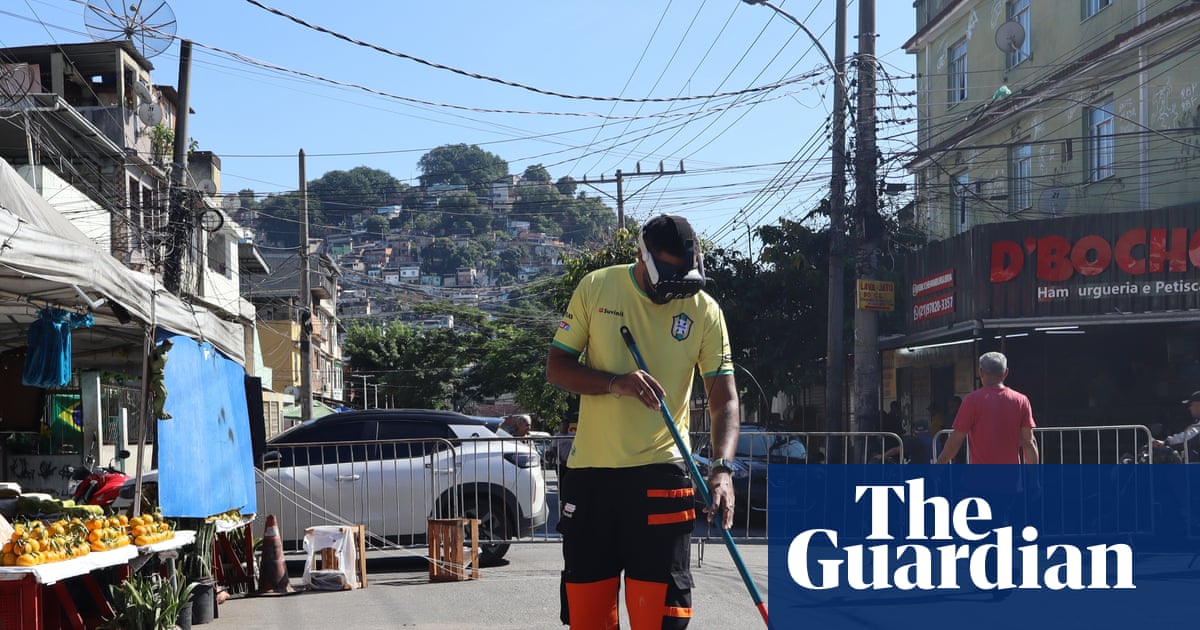
Residents and artists in Rio de Janeiro’s Vila Cruzeiro repainted Saint Luke’s Square in World Cup colors months after the city’s deadliest police raid, turning a trauma site into a symbol of community reclamation while prosecutors continue investigating the operation.
Residents and artists in Rio de Janeiro’s Vila Cruzeiro have repainted Saint Luke’s Square in Brazil’s national colors and World Cup-themed art, turning a place associated with a deadly police raid into a symbol of community reclamation.
The repainting was organized by local artist Luan Medeiros and involved volunteers, children and local businesses, according to reporting from the scene. It comes after the square became part of the public memory of the raid, with bodies laid out there in the aftermath of the operation.
The work is the latest sign of how residents are trying to reclaim a space marked by violence without erasing what happened there. In 2026, the familiar Brazilian tradition of decorating streets in national colors ahead of major football tournaments has returned, and in Vila Cruzeiro it has been adapted into something more pointed: a public act of recovery in a neighborhood still living with the consequences of the raid.
A square marked by trauma
Saint Luke’s Square sits inside a wider area that was engulfed by the October 2025 police operation in the Penha and Vila Cruzeiro complex. The raid became the deadliest in Brazil’s history, with The Guardian reporting 122 deaths in total, including 117 civilians and five police officers.
Earlier coverage reported a higher figure. AP and other outlets said at least 132 people had died in the aftermath, citing Rio’s public defender’s office. The discrepancy reflects the confusion around the immediate toll of the operation, but both accounts point to a mass-casualty raid that left the community reeling.
The square’s repainting does not remove that history. Instead, residents have covered the site with a different public message, using color and football imagery to assert that the neighborhood is more than the violence inflicted on it.
Accountability and reaction
The legal fallout from the raid is still unfolding. Public prosecutors are investigating the operation, and The Guardian reported that 17 police officers have been charged over alleged offenses, including theft of a rifle and car parts.
State and federal officials remain split over the raid’s meaning. Governor Cláudio Castro defended the operation as a success against criminal groups and cast it as part of a fight against narco-terrorism. Brazil’s justice minister criticized the violence and the lack of coordination.
That argument over policing has made the square’s transformation politically charged as well as symbolic. For residents, the repainting is a visible way to reclaim a place that had become associated with fear and loss. For officials, it is another reminder that the raid’s consequences are still being contested.
What happens next
The repainting is likely to remain a focal point as prosecutors continue their work and local residents decide how to preserve or expand the artwork. Further statements from Rio authorities or new findings from investigators could shape how the raid is remembered.
For now, Saint Luke’s Square stands as both a marker of tragedy and a public assertion of community identity: repainted, but not forgotten.
Revision note
Initial automated publication.