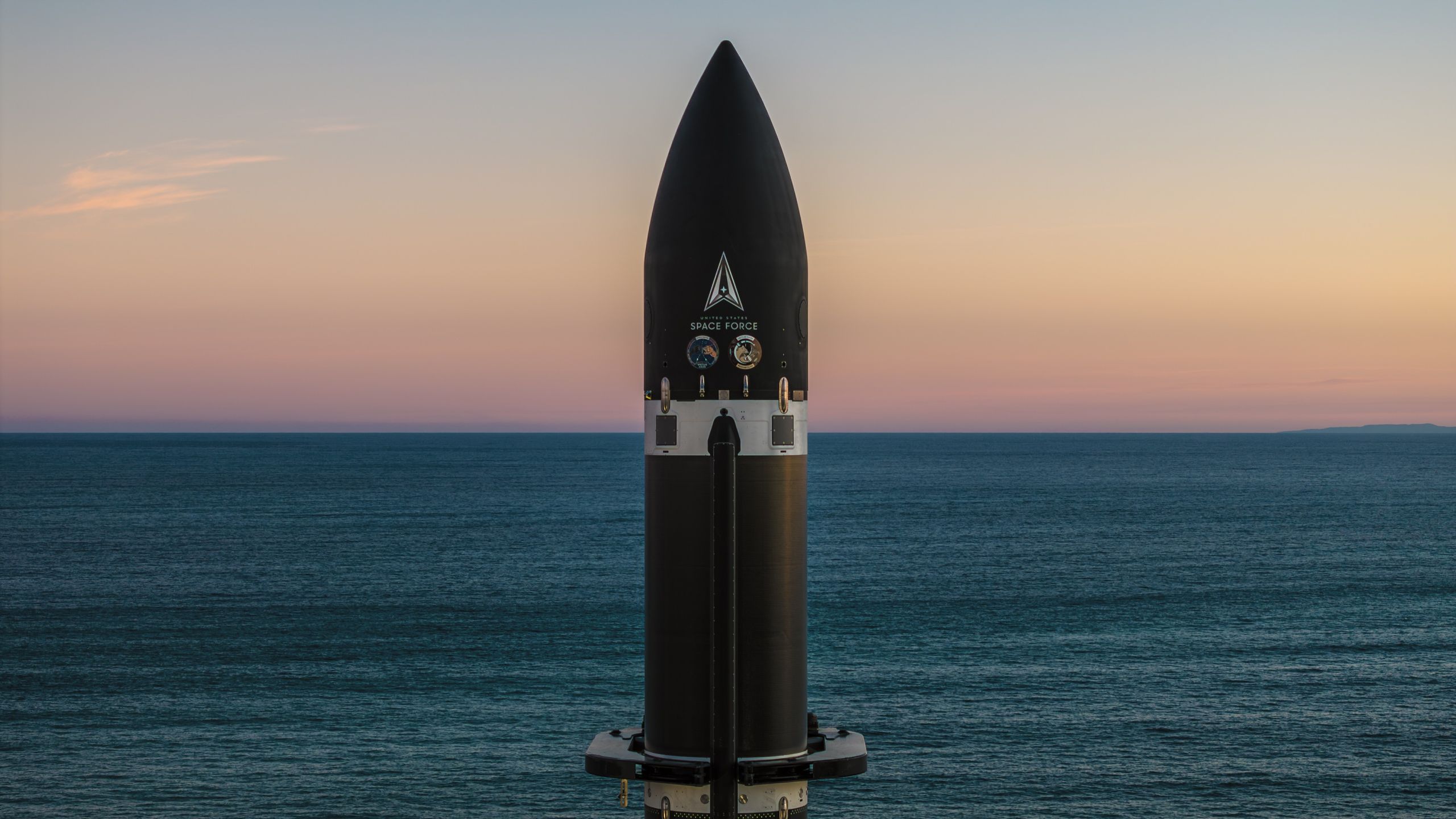
Investor's Business Daily reported that NASA selected Rocket Lab for three Electron launches tied to the PolSIR and TSIS-2 science missions, giving the company a new government-backed catalyst even as RKLB remained weak overall.
Rocket Lab shares moved higher after a report that NASA selected the company to provide three Electron launches for two science missions, adding a fresh government-customer catalyst while the stock remained in a broader downtrend.
According to Investor's Business Daily, the selection covers two launches for the PolSIR mission and one launch for TSIS-2. The report said the missions will fly from Rocket Lab's launch site in New Zealand.
The stock reaction came after a period of weakness across space names. It also followed a recent rapid-response U.S. Space Force launch by Rocket Lab, which added to the backdrop for the move.
What NASA wants to launch
PolSIR is described as a NASA mission focused on high-altitude ice clouds. IBD reported that the mission is slated to use two Electron launches no earlier than June 2027.
TSIS-2 is described as a mission to measure solar irradiance. The report said it is scheduled to launch early next year from Rocket Lab's New Zealand site.
Why it matters
For Rocket Lab, the reported award adds another science-launch customer to a business that already relies on Electron as a key small-satellite vehicle. The new work also supports the company's launch backlog and extends its NASA relationship.
The market's reaction suggests investors viewed the selection as a meaningful near-term catalyst, even though the broader sector has been volatile and Rocket Lab's stock has been under pressure.
What is still unconfirmed
The report did not include a contract value, and NASA had not yet issued an official public statement confirming the award in the material reviewed for this story. There was also a note of uncertainty around TSIS-2 scheduling, which should be watched for further confirmation.
Investors will now be looking for an official release from NASA or Rocket Lab, plus any updates on mission timing, task-order value, and launch-site scheduling.
Revision note
Initial automated publication.