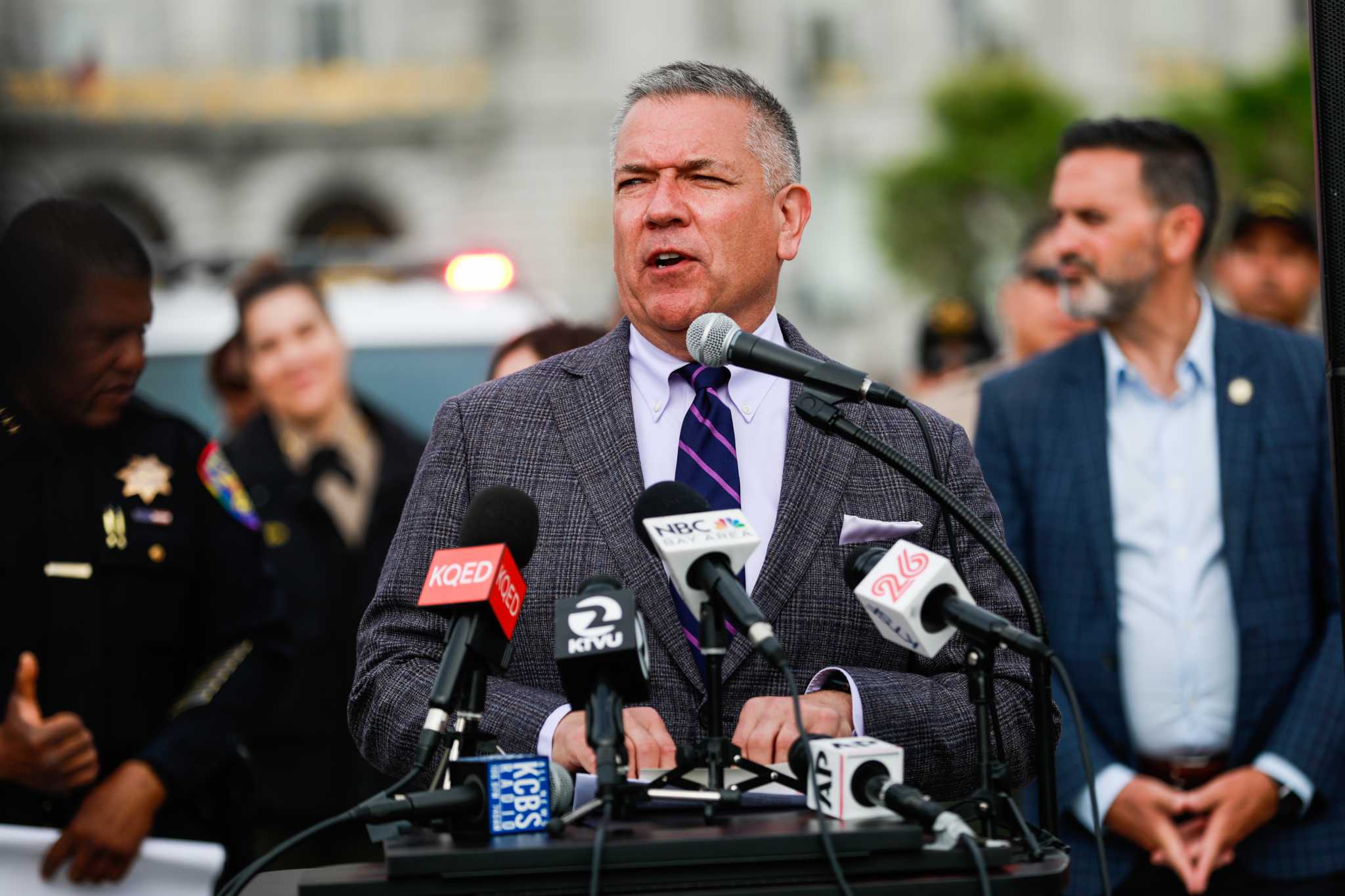
San Francisco Supervisor Matt Dorsey plans to introduce an ordinance that would require city-funded nonprofits to register and disclose lobbying activity at City Hall, ending a local exemption that has long kept many nonprofit contractors outside the city’s standard reporting rules.
The proposal
San Francisco Supervisor Matt Dorsey is preparing an ordinance that would require city-funded nonprofits to register and disclose lobbying activity at City Hall, according to reporting published Wednesday.
The change would remove a local exemption that has allowed nonprofits to avoid the city’s standard lobbying disclosure rules. Dorsey said the goal is to create more transparency around how organizations that receive public money try to influence policy.
He also wants the city to examine whether nonprofit leaders and employees should have to disclose their affiliations when speaking during public comment.
Dorsey said public advocacy at City Hall is often organized by officers and employees of city-funded nonprofit contractors, even when that coordination is not obvious to the public.
Why it is being proposed
The proposal comes as San Francisco relies heavily on nonprofits to deliver public services, especially in homelessness, health and related programs. That dependence has made oversight of the sector a recurring issue at City Hall.
Dorsey also pointed to the city’s larger spending on nonprofits as part of the case for tighter disclosure. The San Francisco Chronicle reported that city spending on nonprofits has roughly doubled since 2019, raising questions about how much accountability the city is getting in return.
The ethics debate sits alongside broader concerns about city governance and recent scandals that have sharpened scrutiny of how public money is managed. For supporters of the proposal, the central issue is whether organizations that receive city funding should face the same public disclosure expectations as other interests that lobby local government.
Support and resistance
San Francisco Ethics Commission executive director Patrick Ford was quoted as supportive of the idea, saying the public has a right to know when people are lobbying City Hall.
Nonprofit leaders were more skeptical. They argued that the sector already faces heavy regulation and that additional reporting requirements could add paperwork and take time away from direct services.
Dorsey’s proposal would also explore requiring nonprofits to report advocacy spending, including items such as t-shirts, banners and signs used in campaigns to shape public opinion or City Hall debate.
What happens next
Dorsey is expected to formally introduce the ordinance or ask city lawyers to help draft it. If he moves ahead, the proposal would likely set up a broader discussion at the Board of Supervisors and possibly the Ethics Commission.
The next debate is likely to focus on how broad the disclosure requirement should be, whether it should apply only to city-funded nonprofits, and how much reporting should be required from groups that lobby only occasionally.
The issue also touches a more basic question for San Francisco: when a nonprofit receives public money and then advocates on policy, should the public be able to see that activity in the same way it sees lobbying by for-profit interests?
Revision note
Initial automated publication.