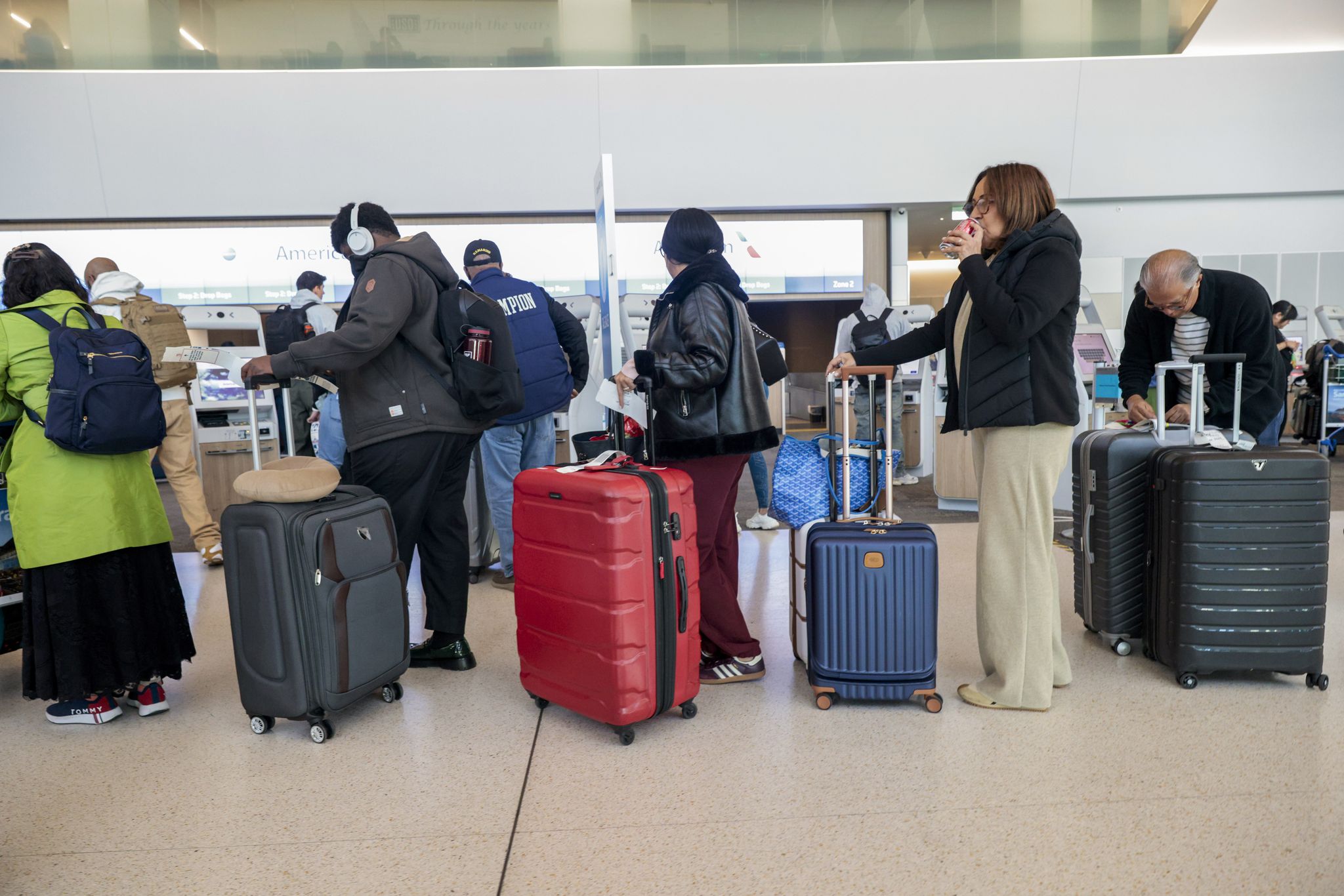
San Francisco International Airport saw a fresh round of delays on Thursday after airport systems recovered from an overnight terminal computer issue, only for a separate FAA ground delay program to slow arrivals later in the day.
San Francisco International Airport faced another wave of delays on Thursday, July 9, after airport systems that were disrupted overnight were restored by early morning, only for a separate Federal Aviation Administration ground delay program to slow arrivals later in the day.
Overnight computer issue
SFO said a computer problem on Wednesday night affected some ticket counters and computers in the International Terminal. The airport said the systems were restored by 2 a.m. Thursday.
The terminal disruption was a separate operational problem from the later flight delays, but it added to the uncertainty for travelers using one of the Bay Area's main air hubs.
FAA delay program
By Thursday afternoon, SFO was under a separate FAA ground delay program. The FAA advisory cited procedural compliance and runway construction as the reasons for the slowdown.
The advisory listed maximum delays of 196 minutes and average delays of 56 minutes. By Thursday evening, FlightAware showed more than 465 delays and 12 cancellations at the airport.
Why SFO is running slower
SFO said the FAA has recently increased the spacing required between aircraft landing at the airport. The airport said that change, along with runway construction, is expected to delay about 30% of arriving flights by at least 30 minutes.
The affected runway is expected to reopen in early October.
A San Francisco Chronicle report earlier in the week said FAA ground delay programs had already disrupted hundreds of SFO flights over the holiday period, as the airport operated with reduced arrival capacity because of runway work and tighter landing procedures.
The Chronicle also cited an analysis showing average SFO delays rising from about five minutes last spring to about 20 minutes in the comparable 2026 period after the new FAA landing restrictions took effect.
Travelers and airlines
For passengers, the effect is straightforward: longer waits, missed connections and schedule changes. Airlines are typically left to rebook travelers and manage the knock-on effect through the rest of the network.
Travelers were being advised to check flight status before heading to the airport.
What to watch next
The key question is whether the FAA extends or ends the ground delay program beyond Thursday night. Also unclear is whether SFO issues any further update on the terminal computer issue or on the pace of operational recovery.
Airlines and passengers will also be watching whether delay and cancellation totals rise further as rebookings work through the system.
More broadly, the airport's performance will continue to be shaped by the same two constraints: runway work and the FAA's tighter arrival spacing rules.
,Revision note
Initial automated publication.