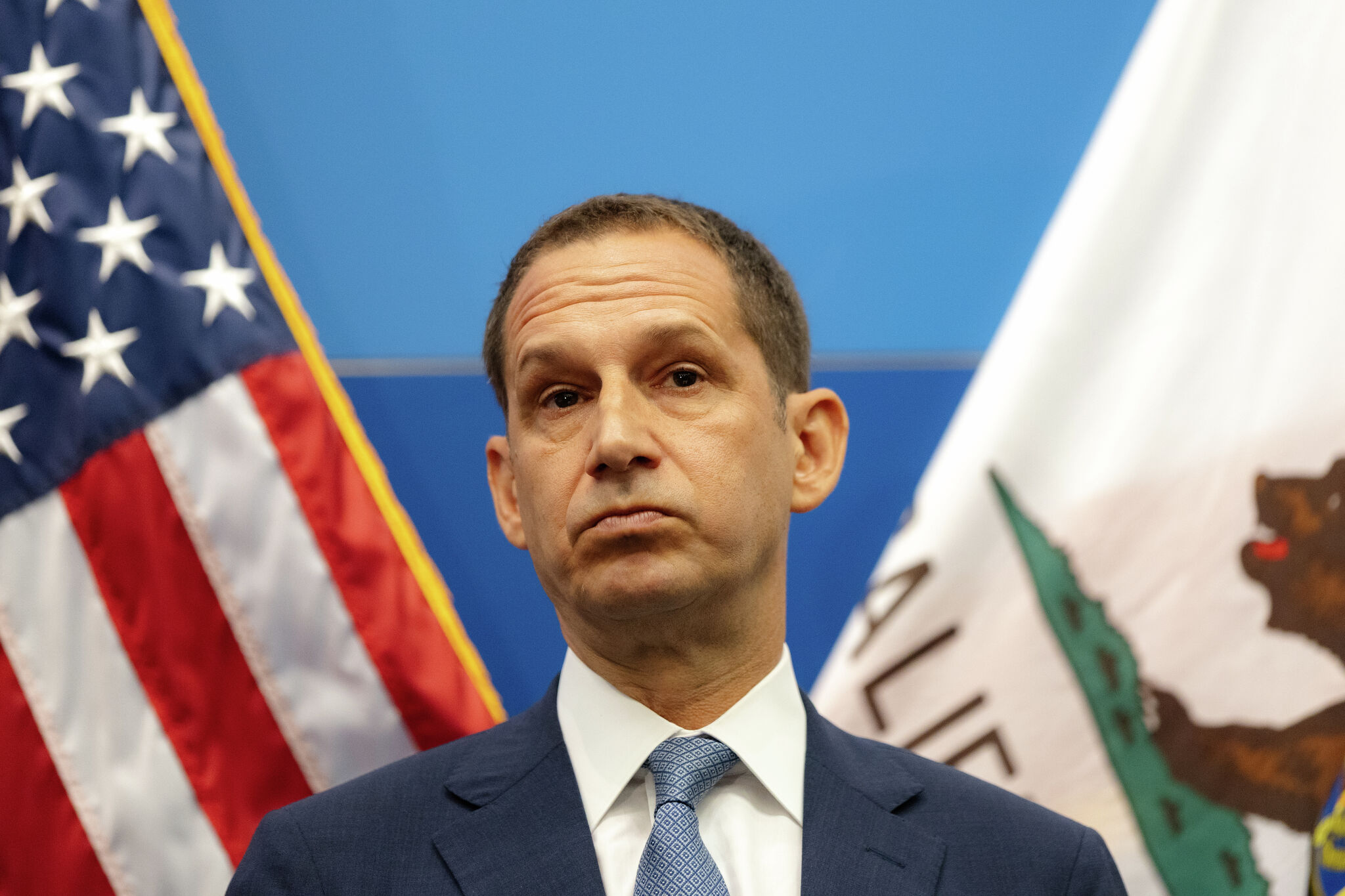
San Francisco Mayor Daniel Lurie called the city’s July Fourth transit delays unacceptable after a foggy Golden Gate Bridge fireworks show drew more than 100,000 people and overwhelmed Muni service. Officials say they will review planning before Fleet Week in October.
City Hall turns to accountability
San Francisco Mayor Daniel Lurie said the city’s July Fourth transit delays were unacceptable and promised changes before Fleet Week, after the first Independence Day fireworks show launched from the Golden Gate Bridge left riders stuck in heavy gridlock.
Lurie made the comments in an ABC7 interview broadcast on July 9, 2026, turning a holiday transportation breakdown into a City Hall accountability story just as officials begin preparing for another major waterfront crowd in October.
The mayor’s remarks put fresh pressure on the San Francisco Municipal Transportation Agency, which has already apologized for the delays and said it will review what happened before the next big event arrives.
How the night unraveled
The fireworks display drew more than 100,000 people, according to the reporting. SFMTA said the transit system saw 41,000 additional riders on July Fourth, a surge the agency said it could not handle.
The 15-minute show was heavily affected by fog, which obscured much of the display for many spectators. Once the fireworks ended, passengers faced long waits, packed streets and severe congestion as they tried to leave the waterfront.
City officials had urged people to use transit for the holiday, but the system was overwhelmed anyway. The result was a breakdown that riders, drivers and city officials have described as a disaster.
Officials face scrutiny
The fallout has moved quickly from transit operations to politics. Supervisor Stephen Sherrill said he was calling for a hearing to examine what went wrong before Fleet Week.
Supervisor Bilal Mahmood also sought answers about transit service, emergency response and autonomous vehicles. The comments add to the scrutiny on how the city planned for a high-traffic holiday event that was supposed to be manageable by transit.
Lurie’s response suggests the city is treating the episode as more than a one-night disruption. The message from City Hall is that the July Fourth plan failed and that officials need to show what will change before the next waterfront crowd.
The Waymo factor
The holiday chaos also drew attention because of the role autonomous vehicles played in the gridlock. Waymo said extreme traffic congestion disrupted some of its vehicles in northern San Francisco, and that some vehicles required towing after running out of charge.
The Chronicle also reported that one unoccupied Waymo caught fire after driving over a firework, with no injuries reported. Officials have not said autonomous vehicles caused the transit failure, but the incident became part of the broader picture of how chaotic the night became after the fireworks ended.
What happens next
SFMTA said it will use rider data from the holiday to inform planning for future events. Officials are also expected to review what failed in the July Fourth transit plan before Fleet Week in October.
That next event matters because it will bring another large waterfront crowd and another test of the city’s ability to move people in and out without the same breakdown. For now, the city’s challenge is to show that July Fourth was a planning failure it can fix, not a pattern it will repeat.
Revision note
Initial automated publication.