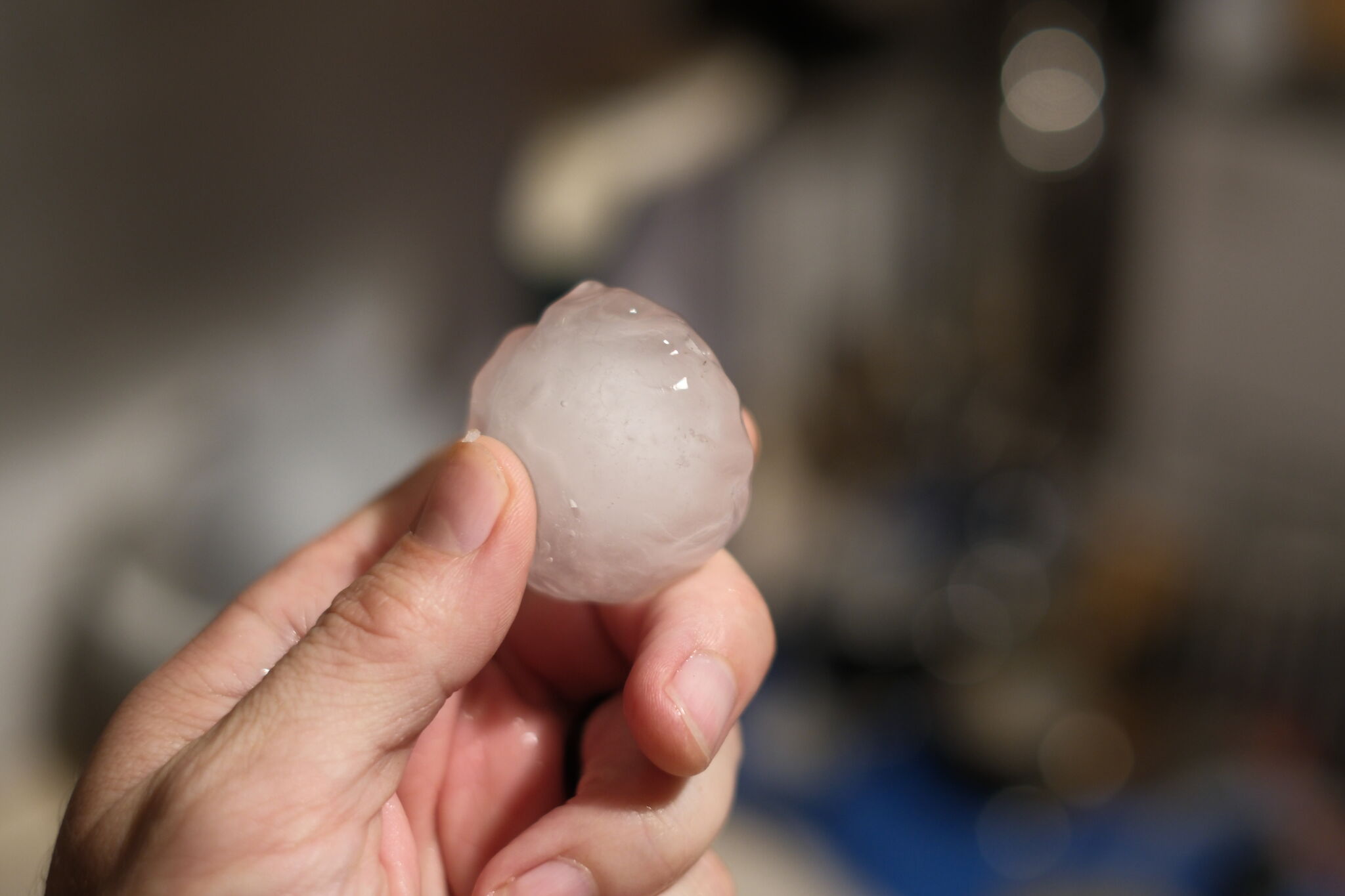
The National Weather Service in Amarillo is warning that severe storms could move into the Texas Panhandle Wednesday afternoon and evening, bringing hail, damaging winds, a slight tornado risk and localized flash flooding.
The National Weather Service office in Amarillo is warning that severe storms could move into the Texas Panhandle on Wednesday afternoon and evening, with the highest risk focused on the northeastern part of the region.
Forecasters said the most likely window for storms is roughly 3 p.m. to 11 p.m. local time. The storms could produce hail large enough to damage vehicles, roofs and crops, along with wind gusts strong enough to create dangerous driving conditions during the evening commute.
The forecast also includes a slight chance of an isolated tornado. In addition, flash flooding is possible if repeated storms track over the same counties and dump rain on already saturated ground.
Where the threat is highest
The strongest severe-weather risk is centered on the northeastern Texas Panhandle, including the areas around Boise City and Guymon in the cited coverage.
Recent rain has already left some soils saturated, which increases runoff and raises the chance that localized flooding could develop in low-lying or repeatedly hit areas.
What forecasters are watching
The first broad forecast package was published Tuesday morning, with later same-day coverage sharpening the warning for the northeastern Panhandle. One report described hail around half-dollar size and wind gusts as high as 75 mph; another cited hail up to ping-pong-ball size and wind near 70 mph. The difference does not change the overall message: this is a narrow-time-window severe-weather threat with damaging hail, strong wind and some flood risk.
Residents in the area should watch for updated outlooks, watches and warnings from the Amarillo office as the event unfolds.
Why it matters
The main risks are property damage from hail, hazardous roads from wind and rain, and localized flash flooding if storms repeatedly cross the same ground. Forecasters also say the broader Texas weather pattern may bring extreme heat later in the week, adding another layer of risk for people spending time outdoors.
Revision note
Initial automated publication.