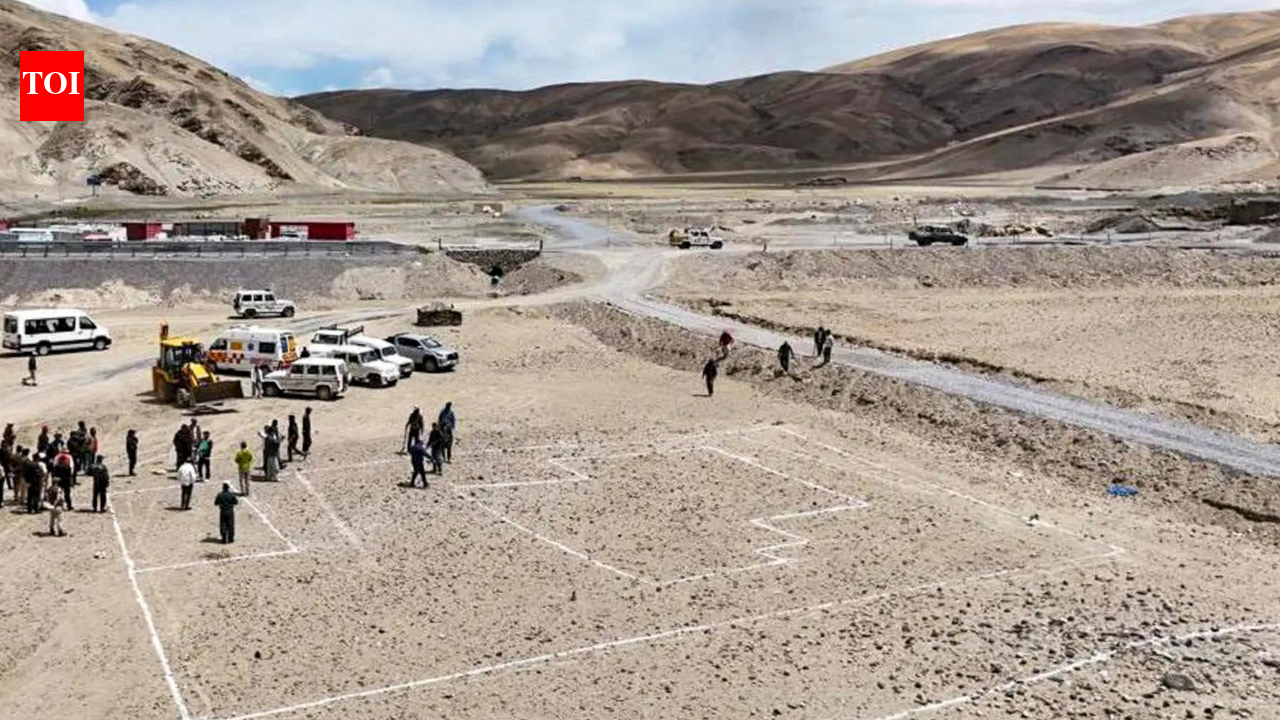
Leh Apex Body and Kargil Democratic Alliance called a shutdown across Ladakh on June 23, disrupting normal life and drawing thousands to a rally in Leh as they pressed the Centre for credible talks after disputes over the May 22 meeting minutes.
The Leh Apex Body and the Kargil Democratic Alliance brought much of Ladakh to a halt on June 23, calling a shutdown across the Union territory to press the Centre for what they described as credible dialogue.
Reporting from the day of the shutdown said normal life was disrupted across Ladakh, while thousands joined a rally in Leh to back the demand for talks that local groups say must reflect their concerns more faithfully.
Why the shutdown was called
The immediate trigger was a dispute over the official record of the May 22 round of talks between Ladakhi representatives and the Centre. Ladakhi groups said the minutes did not accurately capture key commitments and accused the Centre of backtracking on agreements reached in that meeting.
Coverage on June 20 and June 21 said the shutdown had been announced in advance after the groups expressed mistrust over what they saw as omissions from the written record. Their argument was that the process could not move forward without clearer and more credible assurances.
The dispute has made the minutes from the May 22 meeting central to the standoff. For LAB and KDA, the issue is not only what was discussed, but whether the official version of the talks can be trusted as the basis for future negotiations.
What the groups are pressing for
The shutdown sits inside a longer dispute over safeguards, governance and local autonomy in Ladakh since the region was reorganized as a Union territory. LAB and KDA have been seeking a political and constitutional framework they believe will protect Ladakh’s interests and give local communities a stronger say in decision-making.
The latest push is therefore about more than one meeting note. It is about whether the Centre will enter the next round of discussions with commitments that Ladakhi leaders consider trustworthy and enforceable.
The groups’ decision to call a shutdown showed that they were willing to escalate public pressure rather than wait for the talks to resume on the Centre’s timetable. The rally in Leh on June 23 was the clearest public display of that pressure.
The Centre's position
Official-source reporting on June 20 said the Centre remained committed to constitutional safeguards for Ladakh under Article 371 and to further discussions on the legal framework.
That position suggests the talks remain alive, even as local groups argue that confidence has been damaged. The public disagreement now turns on whether the two sides can agree on a process that Ladakhi leaders view as credible.
The contrast is sharp: local groups say the Centre has not matched its words with a reliable record of commitments, while official reporting indicates the government still sees the dialogue as ongoing.
What happens next
The June 23 shutdown is the latest escalation in a standoff that has been building over the wording and substance of the May 22 talks. The immediate questions now are whether the Centre will respond publicly, whether any fresh meeting date will be set and whether LAB and KDA will suspend or extend their protest.
What comes next will also depend on whether there is a formal clarification of the disputed minutes. If the record remains contested, the political pressure around Ladakh’s demands for safeguards and autonomy is likely to continue.
For now, the shutdown has become a show of strength from Ladakh’s main regional bodies and a public test of the Centre’s willingness to reopen dialogue on terms local leaders consider credible. The issue remains tied to the wider debate over safeguards, constitutional status and governance in the Union territory.
Revision note
Initial automated publication.