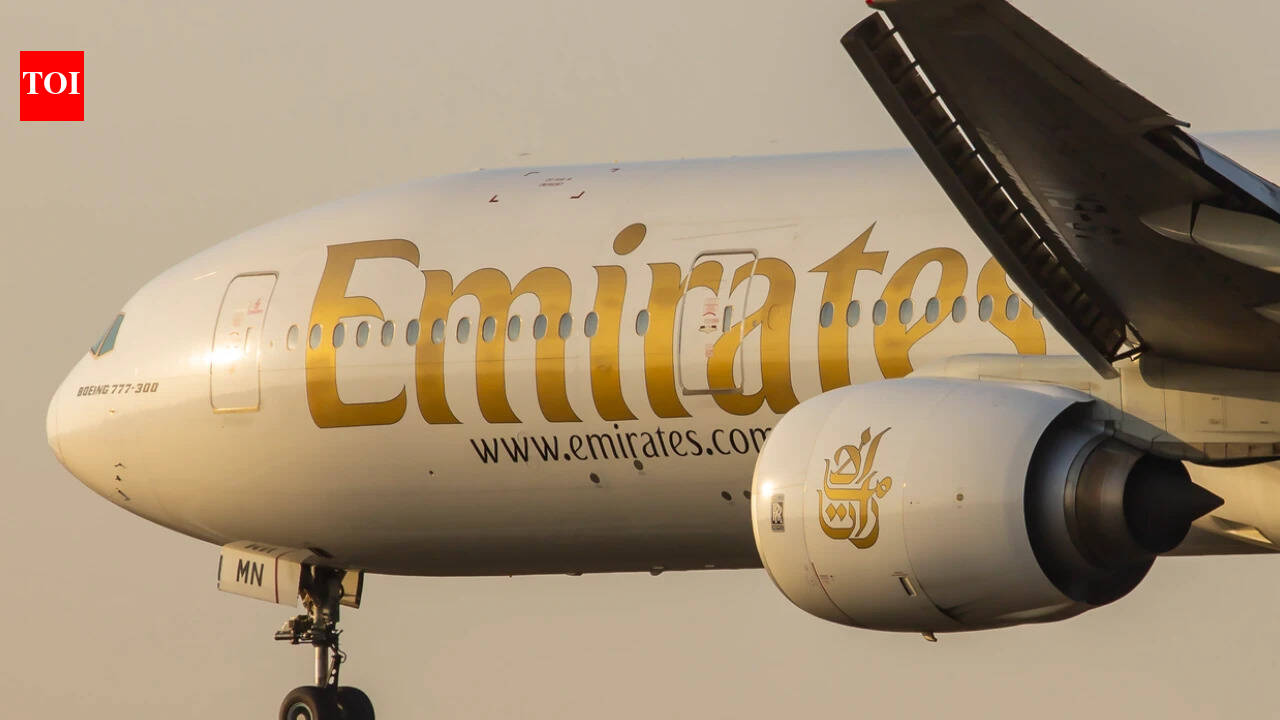
European regulators ordered urgent inspections of 16 Airbus A380s after cracks were found in wing spar structures on Emirates and Qantas aircraft. Five jets must be checked immediately, with 11 more due within 25 flight cycles.
European regulators have ordered urgent inspections of 16 Airbus A380s after cracks were found in wing spar structures on aircraft operated by Emirates and Qantas.
The European Union Aviation Safety Agency said five Emirates A380s must be inspected immediately, before their next flight. A further 11 aircraft, 10 operated by Emirates and one by Qantas, must be checked within 25 flight cycles.
EASA said the cracks could reduce the structural integrity of the wing. The directive follows earlier inspections that identified the issue and turns the matter into a time-sensitive maintenance campaign for one of the world’s largest passenger jets.
Airbus said it had determined that an additional special detailed inspection had to be carried out and that it is supporting the inspection effort. The manufacturer said it will review the results with EASA to determine whether repairs are needed or whether the aircraft can return to commercial service.
Emirates and Qantas both said they would comply with the directive. Emirates said inspections would begin within 48 hours and that any required work would be completed before aircraft return to service. Qantas said its affected aircraft was already in scheduled maintenance and that the directive would not affect flights.
How the inspections came about
The current directive was issued on June 24, 2026, after earlier wing-spar inspections found cracks on a small group of A380s. The earliest public reporting in the gathered sources came from The Australian, with the Wall Street Journal later corroborating the order the same day.
The inspection scope is concentrated in two fleets. Emirates accounts for 15 of the 16 aircraft covered by the directive, while Qantas has one aircraft named in the check list. Emirates is the largest operator of the A380, which helps explain why it carries most of the inspections.
This is being handled as a safety and maintenance matter, not as an in-service emergency. Even so, the timing matters for operators because the directive creates immediate scheduling pressure for aircraft that are already committed to commercial service or maintenance planning.
What Airbus, airlines and regulators said
Airbus said it is supporting the inspection effort and will assess the findings with EASA once the checks are complete. The manufacturer said the next step is to determine whether repairs are needed or whether the aircraft can return to service.
EASA’s action reflects its view that the cracks warrant urgent attention because of the possible effect on wing integrity. The agency did not say in the available reporting that the problem is widespread beyond the 16 aircraft already identified.
Emirates said it would start inspections within 48 hours and complete any required work before aircraft return to service. Qantas said the relevant aircraft was already in heavy maintenance, limiting the operational impact on its network.
What happens next
The immediate question is whether any of the inspected aircraft will require repairs before returning to commercial service. Another open question is whether EASA will issue further directives after reviewing the inspection results.
It is also unclear whether other A380 operators will face related checks, although the confirmed directive in the available reporting is limited to Emirates and Qantas jets.
The A380 has faced wing-related inspection issues before, including an EASA action in 2012. That precedent makes the current order notable, even though the present case is being managed as a structured inspection campaign rather than a broader crisis.
Revision note
Initial automated publication with expanded inspection, airline response, and follow-up context.