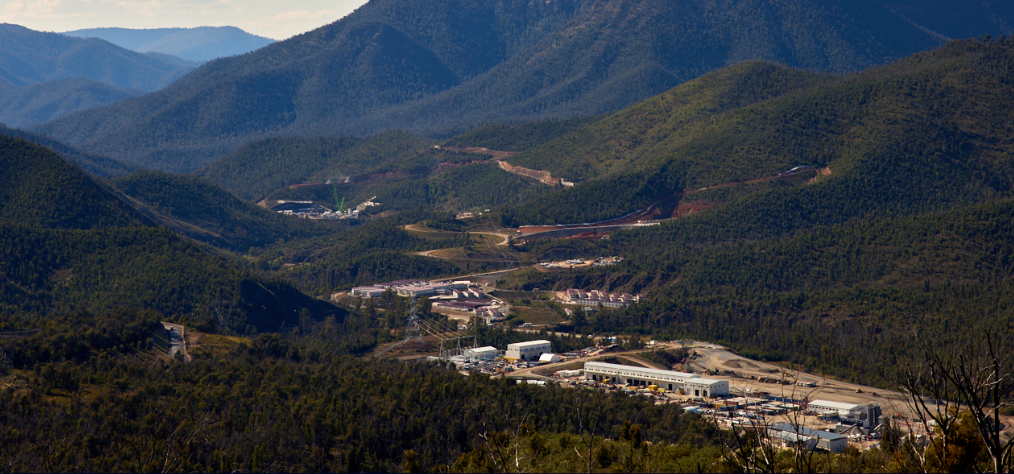
Australia’s National Audit Office has found Snowy Hydro was only partly effective in managing Snowy 2.0 after its 2023 reset, citing governance, risk and forecasting failures. Snowy Hydro says it has already made procedural changes, while the government says the project will face an externally verified cost review.
Audit findings
Australia’s National Audit Office has found Snowy Hydro was only partly effective in managing Snowy 2.0 after the project’s 2023 reset, putting the federally owned energy project back under scrutiny.
The audit says the company still did not have a robust understanding of the forecast cost to complete the project and had not developed a reliable cost forecasting system.
It also says Snowy Hydro did not seek external verification of its own estimates, leaving its internal cost picture too weak for a project of this size and complexity.
The report points to governance weaknesses, poor risk management and inadequate project controls after the reset.
What changed after the reset
Snowy 2.0 was reset in 2023 to lift the expected cost to $12 billion and push commercial operations back to December 2028.
That reset was meant to stabilise delivery after earlier blowouts, delays, geology problems and productivity concerns.
The latest audit instead suggests the reset did not fully fix the underlying management issues.
According to the report, Snowy Hydro had identified productivity, safety and quality issues before the reset, but effective controls were not properly implemented afterwards.
The audit also says the project remained behind schedule despite the reset.
It further found Snowy Hydro underestimated some risks, including the cost implications of renegotiating workforce agreements.
Financial stakes
Snowy Hydro had spent $11.1 billion as of March 31, 2026, according to the reporting, meaning a large share of the project’s budget has already been committed before completion.
That matters because any further cost increase could require more public funding.
The project is also central to the energy transition: Snowy 2.0 is intended to provide long-duration storage for the electricity grid and improve dispatchable generation capacity.
The scheme is designed to connect the Tantangara and Talbingo reservoirs through 27 kilometres of tunnels and deliver 2.2 gigawatts of dispatchable generation and 350 gigawatt-hours of storage.
Responses from Snowy Hydro and government
Snowy Hydro has agreed to most of the audit’s recommendations.
The company says the problems identified are largely procedural and that it has already made changes.
The government says Snowy 2.0 is a complex project and that a cost review is underway and will be externally verified.
That leaves the central question unresolved: whether the 2023 reset actually restored control, or whether the project still faces another round of cost pressure and schedule risk.
What happens next
The immediate focus is the updated cost review and whether it changes the projected budget again.
A revised completion date would add more pressure to the reset’s credibility.
The audit is also likely to keep attention on Snowy Hydro’s board and management, especially if the recommendations lead to further governance changes.
For taxpayers and the electricity market, the issue is straightforward: Snowy 2.0 remains one of the country’s biggest energy projects, and the audit says its controls still are not strong enough.
The next milestone will be whether the externally verified review confirms the current plan or reveals that the project needs another correction.
,Revision note
Initial automated publication.