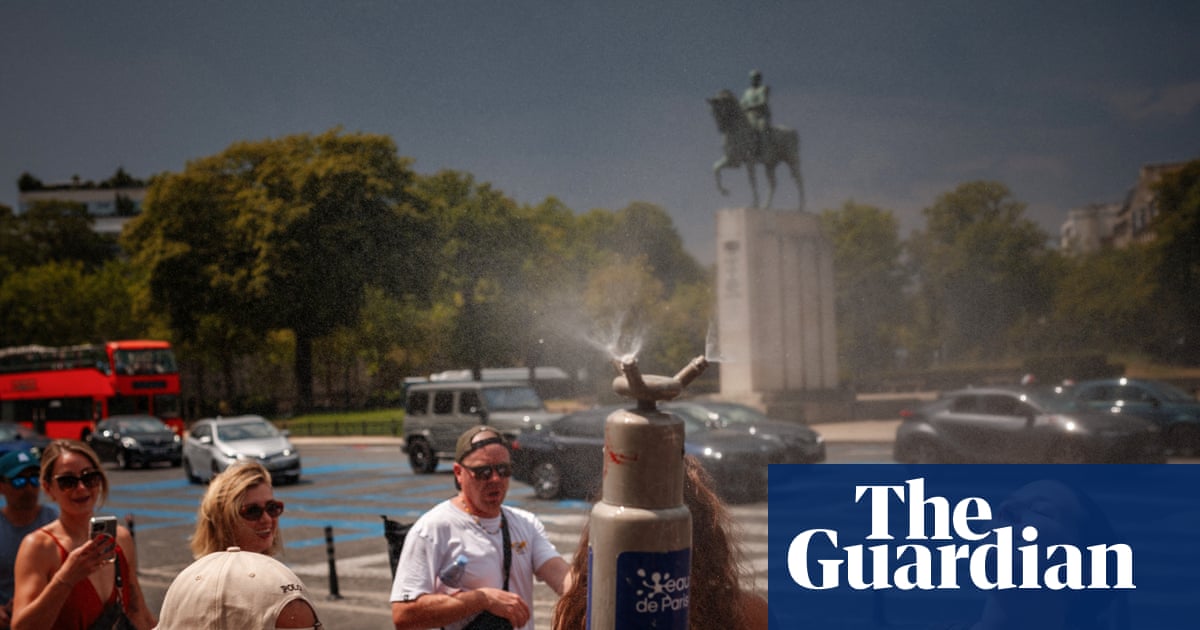
Spain’s second major summer heatwave is expected to end on Thursday, July 9, 2026, but temperature alerts remain in force across much of the country. AEMET and Spanish media say 15 autonomous communities are still under warnings, with orange alerts in several areas, highs above 40C in parts of the interior and Mediterranean coast, and overnight temperatures staying dangerously warm.
Spain’s second major summer heatwave is expected to end on Thursday, July 9, 2026, but much of the country remains under temperature warnings as dangerous heat lingers across several regions.
Cadena SER reported that 15 autonomous communities were still under alerts on Wednesday, with 10 at orange level. Forecasts called for temperatures above 40C in parts of the Ebro, Tajo, Guadiana and Guadalquivir valleys, along with very warm nights that offer little relief from the daytime heat.
AS said Spain’s weather agency, AEMET, expects the heatwave to ease on Thursday, but warned that parts of eastern Spain and the Balearic Islands could stay hotter for longer. The outlet said temperatures could reach 44C in Tarragona, while areas including Ibiza, Formentera, Mallorca, Girona, Alicante, Madrid and Murcia faced important heat risk.
Heat eases, but warnings remain
The shift in the weather pattern does not mean conditions are back to normal. The main heatwave is moving toward its end, but alerts remain active because temperatures are still high enough to pose health risks, especially for older people, outdoor workers and anyone without access to cooling at night.
Cadena SER said minimum temperatures were staying above 25C in parts of the Guadalquivir and Tajo valleys, a sign that overnight recovery remains limited. That kind of sustained heat can increase the risk of heat-related illness even after sunset.
The broader weather pattern also matters for fire risk. Earlier reporting from The Guardian said AEMET had warned of dry, hot air that could heighten both health and wildfire dangers during the heatwave.
Regional alerts stay in place
Regional reporting from Murcia gave a concrete example of how widespread the danger remains. AEMET kept orange warnings active in the Vega del Segura, Altiplano and Noroeste, with highs of up to 42C. Yellow warnings also covered the Valle del Guadalentín, Lorca, Águilas, Campo de Cartagena and Mazarrón, where temperatures were expected to reach about 38C to 39C.
The latest reporting suggests the heat will ease first in some western areas, while eastern Spain and the islands may remain hot longer. That staggered pattern means the end of the heatwave peak will not bring immediate relief everywhere.
The forecast also points to a change later in the week, with thunderstorms expected after the heat breaks. That may bring some cooling, but it can also create new local hazards, including sudden downpours and travel disruption.
Authorities and residents are being told to keep monitoring AEMET updates as the alert map changes through Thursday and into Friday, July 10.
Revision note
Initial automated publication.