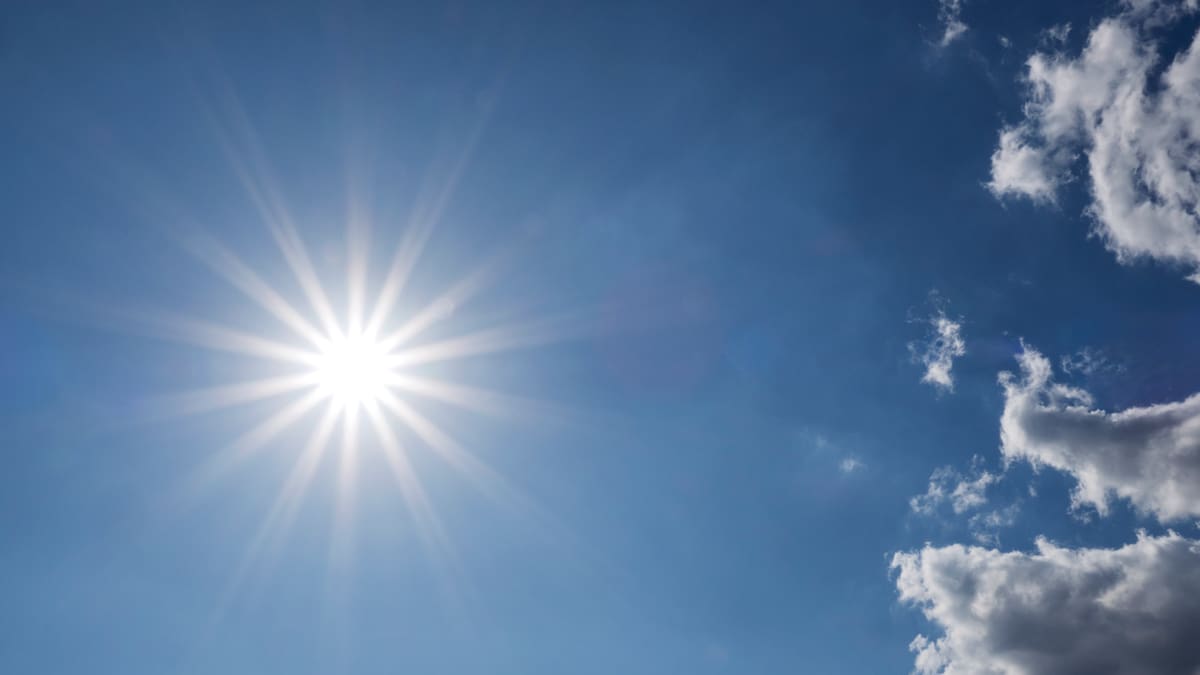
Spain entered its first summer heatwave of 2026 on June 21, with reporting indicating temperatures will remain elevated through midweek and that June is tracking as the warmest since 1950.
Spain entered its first summer heatwave of 2026 on Sunday, June 21, as the season began with unusually intense heat across much of the country.
Reporting from El País and Cadena SER said the episode arrived earlier than usual and is expected to keep temperatures elevated through midweek before conditions begin to ease later in the week.
El País also reported that June 2026 is tracking as the warmest June since records began in 1950, adding a longer-term climate backdrop to the start of summer.
The heat is affecting a wide stretch of Spain, with forecasts and alerts pointing to very high temperatures in the interior, the Basque Country, Andalusia and the Comunitat Valenciana.
Heat builds across regions
Cadena SER reported that AEMET warned of a thermal peak through the middle of the week in the Comunitat Valenciana, with inland temperatures near 40C and nights staying unusually warm.
The same reporting said red alerts were in place in parts of the Basque Country, including Bizkaia and Gipuzkoa, where inland areas could also top 40C.
In Andalusia, the regional health protocol for excessive temperatures was active through September 30, reflecting the risk posed by prolonged hot spells later in the season as well.
Los40 separately reported that AEMET was warning of temperatures above 38C and possibly 40C in parts of the interior and south as astronomical summer began on June 21.
Health and fire risk
The immediate concern is not only daytime heat but also the lack of overnight relief. Warm nights reduce the body’s ability to recover and raise the risk of heat illness, especially for older adults and people with underlying medical conditions.
El País reported that 86 climate zones, 5,266 municipalities and about 21.9 million people, or 46% of Spain’s population, were under medium or high health risk from heat.
Officials and emergency planners are also watching for wildfire danger during the hot, dry spell. Reporting from Valencia described elevated fire risk alongside the health warnings.
The wider Western European context adds to the concern. The Guardian reported that Spain is part of a regional heatwave affecting several countries, with temperatures above 40C in some places.
What comes next
The timing is notable. Summer began on June 21, and Spain is already dealing with what reporting describes as the first major heatwave of the year, rather than a later-season episode.
That fits a broader pattern cited in El País and AEMET-linked context: heatwaves in Spain have been arriving earlier and more often, and climate scientists have tied that trend to rising average temperatures.
For residents, the practical impact will vary by region, but the immediate expectations are clear: limit exposure during the hottest hours, pay attention to local alerts and prepare for difficult conditions through at least midweek.
AEMET meteorologist José Ángel Núñez said temperatures in peninsular Spain should not begin to fall until Thursday, making the next several days the critical period for monitoring the episode.
Authorities will also be watching for secondary impacts, including heat-related health incidents, wildfire outbreaks and any disruptions to work, travel or outdoor activity.
Revision note
Initial automated publication.