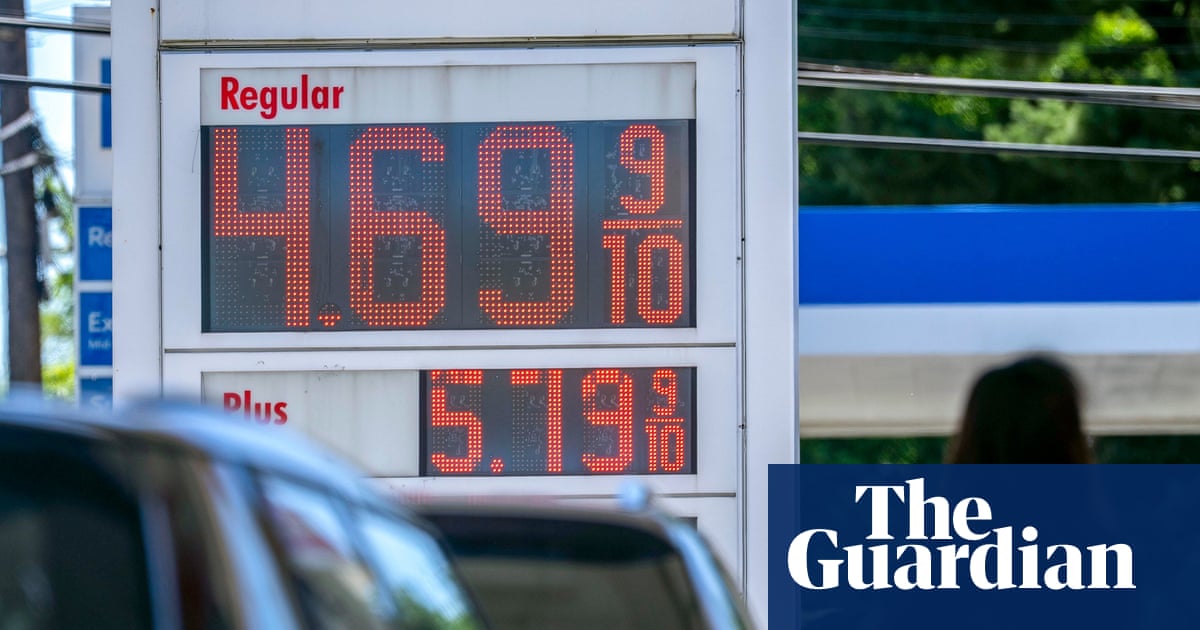
U.S. stocks and futures were volatile Wednesday after May CPI showed annual inflation at 4.2%, while Trump comments on Iran added pressure and lifted oil.
Markets were volatile on Wednesday after the latest U.S. inflation report showed consumer prices rising 4.2% from a year earlier in May, while new comments from President Donald Trump on Iran added another source of pressure.
Futures for the Dow Jones Industrial Average, S&P 500 and Nasdaq were lower around the time of the release, then markets shifted as traders weighed the inflation data against the geopolitical backdrop. Coverage from major outlets said the early move reflected both the CPI print and Trump-related headlines.
The May reading matched expectations, but it still reinforced the message that inflation remains above the Federal Reserve's 2% target. Core CPI rose 2.9% year over year, according to the reporting.
What moved markets
The inflation report was the main scheduled catalyst. It came after an embargo lifted at 8:30 a.m. ET and quickly became the focus for traders watching interest-rate expectations and bond yields.
Trump's remarks on Iran then intensified the risk-off tone. Market coverage said the comments helped push oil higher and contributed to a broader sell-off in stocks before the Dow pared some of its losses.
Why it matters
Inflation remains a central market driver because it shapes expectations for Federal Reserve policy, Treasury yields and equity valuations. Even when a CPI print lands in line with forecasts, a still-elevated annual rate can keep pressure on stocks that are sensitive to rates.
For now, the story is less about one data point and more about the combination of persistent inflation and a fresh geopolitical headline hitting markets at the same time.
Traders will now watch whether the early weakness extends into the cash session and whether later market reports attribute the move more to inflation, Trump-Iran rhetoric or both.
Revision note
Initial automated publication.