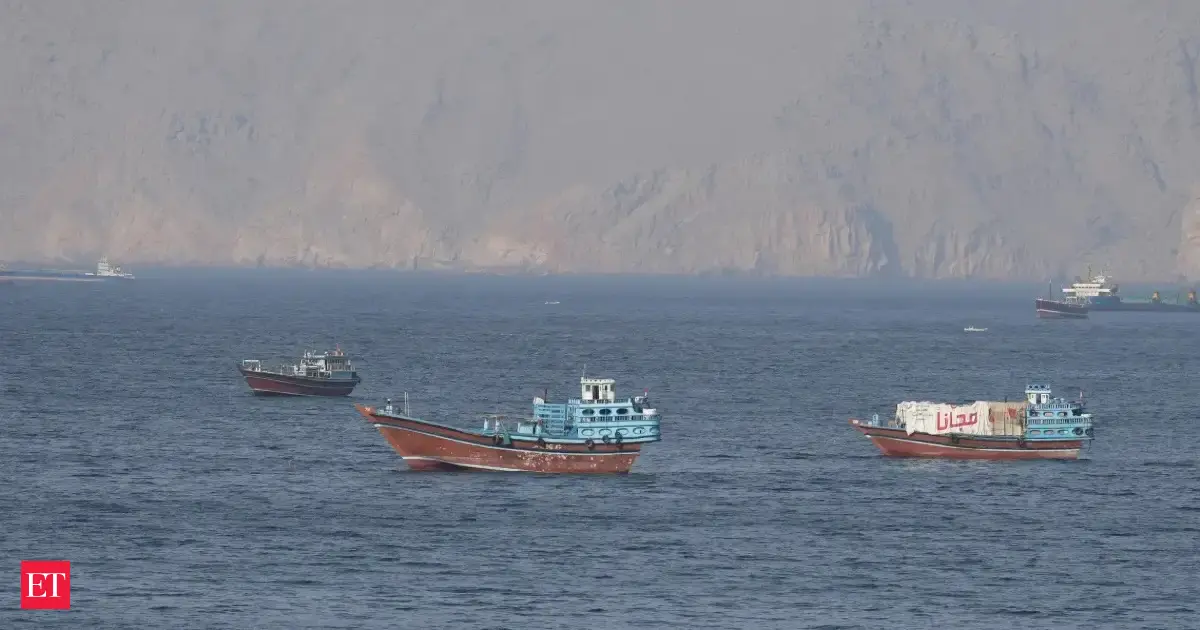
S&P Global Commodity Insights says shipping through the Strait of Hormuz is beginning to recover after recent disruption, while India’s foreign ministry says 11 India-bound vessels have crossed since a June 17 U.S.-Iran memorandum of understanding. AP and other reporting say traffic is rising, but mines, disputed control and possible toll issues still cloud a full return to normal.
Traffic starts to rebound
Shipping activity through the Strait of Hormuz is beginning to recover after the latest disruption, according to S&P Global Commodity Insights, although traffic remains well below pre-conflict levels.
The recovery is significant because the strait is one of the world’s most important energy chokepoints. It handles crude, refined products, LNG and LPG moving between the Gulf and global markets, so even a partial reopening can affect freight costs, insurance pricing and supply chains.
The reporting suggests the rebound is real, but fragile. Rather than a clean return to normal, the available evidence points to a slow, uneven increase in vessel movements as shipowners test whether the route can stay open.
India emerges as an early indicator
India is one of the clearest early signs of the rebound. The country’s Ministry of External Affairs said 11 India-bound vessels had crossed the Strait of Hormuz since the June 17 U.S.-Iran memorandum of understanding, according to the reporting cited by The Economic Times.
MEA spokesperson Randhir Jaiswal was quoted as saying the vessels crossed safely. That matters for India because the country depends on the strait for imported energy cargoes, including LNG, LPG and crude.
Separate reporting said two LPG ships carrying 22,000 metric tons had navigated the strait and were expected to reach India within a week. Together, those accounts show that energy cargoes are moving again, even if the broader traffic picture is still incomplete.
What happened after June 17
The timeline in the reporting puts the turn in traffic after the June 17 memorandum of understanding. The first same-day follow-up came when The Economic Times reported S&P Global’s assessment that shipping activity was starting to recover.
Later the same day, The Economic Times reported the MEA’s count of 11 India-bound vessels crossing since the agreement. AP’s coverage added broader context, saying ship traffic is slowly increasing after the temporary truce but the situation remains unsettled.
That sequencing points to a tentative reopening rather than a definitive reset. The recent movement appears to have come quickly after the diplomatic change, but the available reporting still shows a route under stress rather than one back to pre-conflict norms.
Lingering risks for ships and insurers
The biggest remaining concern is that the strait is still not fully secure or fully regularized. AP reported that the central channel remains blocked by mines, forcing ships into alternative routes.
AP also said disputes over control and toll arrangements could delay a full normalization of shipping for months. Those uncertainties matter for vessel operators, insurers and cargo owners, because even a small change in passage rules can affect routing, timing and cost.
The unresolved questions are practical as well as political. Shipowners need to know whether passage will remain open, whether registration or toll systems will be enforced, and how long transit conditions will stay stable enough for routine commercial planning.
What to watch next
The next test is whether the recovery continues over several days of AIS and port data. If more vessels cross without delay, it would strengthen the case that the rebound is durable rather than a short-lived easing.
Officials and analysts are also watching for any clarification from the U.S., Iran, Oman or maritime authorities on passage rules. A formal statement on tolls, registration or safe transit would help determine whether the strait is returning to normal operations.
For now, the picture is one of cautious improvement. More ships are venturing through, India-linked cargoes are moving again and the route is showing signs of life, but the Strait of Hormuz remains a high-risk chokepoint with unresolved security and legal questions.
Revision note
Initial automated publication.