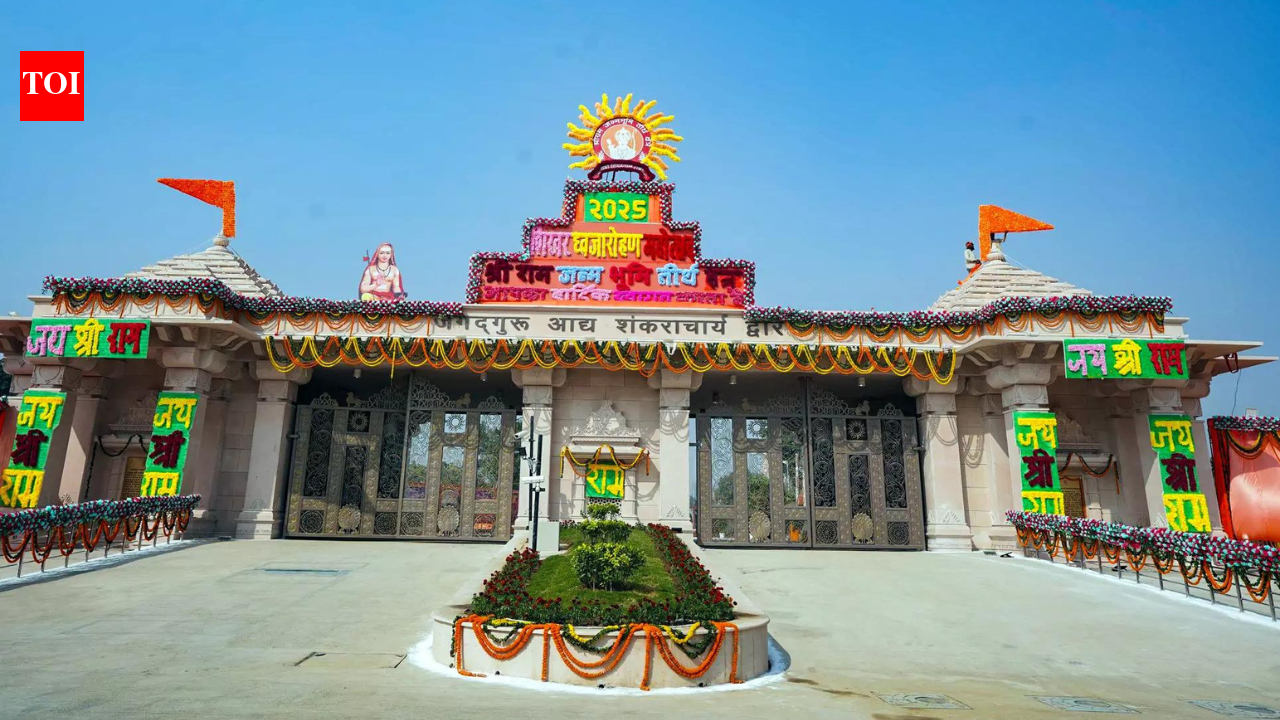
The Supreme Court declined an urgent hearing on a plea seeking a CBI-led probe into alleged embezzlement of Ram Mandir donation funds in Ayodhya. The case follows an FIR, a preliminary SIT report, arrests of eight accused and expanding scrutiny of bank officials.
The Supreme Court on June 29 declined an urgent hearing on a plea seeking a CBI-led probe into alleged embezzlement of donation funds linked to the Shri Ram Janmabhoomi Teerth Kshetra trust in Ayodhya.
The refusal came after an earlier oral request for urgent listing was turned away on June 25, when the court told the petitioner to return on June 29. A Times of India report quoted the court as saying “heavens are not going to fall,” signaling that the matter would not be fast-tracked.
What the plea sought
The petition asked for a higher-level investigation into alleged theft and misappropriation of cash and valuables donated at the Ram Mandir. According to the research packet, the plea specifically sought a CBI-led probe into the handling of temple donations.
The case has grown out of allegations that money and offerings collected for the temple were not properly secured or accounted for. The trust that oversees the Ram Mandir, the Shri Ram Janmabhoomi Teerth Kshetra, has been at the center of the scrutiny.
How the investigation developed
On June 26, the trust lodged an FIR after a Special Investigation Team submitted a preliminary report on alleged irregularities in donation money received for the temple. That filing marked a major escalation from internal scrutiny to a formal police case.
Reporting cited in the research packet says the initial allegations include theft, misappropriation and embezzlement of cash and valuables donated for the temple. Eight accused have been arrested in the matter.
By June 28, Ayodhya police had searched the homes of all eight accused. Separate reports also said investigators were widening the inquiry to include bank officials who handled deposits of temple offerings.
Political and public reaction
The case has also drawn political attention. On June 26, Congress called for a Supreme Court-supervised probe, the dissolution of the trust and intervention by Prime Minister Narendra Modi.
Those demands added to the pressure surrounding a case involving one of the most prominent religious institutions in the country. The reported scrutiny of bank officials suggests investigators are now looking beyond the trust’s staff and the arrested accused to the flow of funds through the banking system.
What happens next
The Supreme Court’s refusal to hear the matter urgently does not end the petition. The research packet says the plea may still come up for a regular hearing later, but not on an expedited basis.
Investigators are expected to continue examining assets, documents and the handling of donations as the probe develops. Further statements from the trust, the accused or political parties could shape the next stage of the case.
The Ram Mandir is managed by the Shri Ram Janmabhoomi Teerth Kshetra trust, created after the Supreme Court’s 2019 Ayodhya verdict. The current allegations have put the trust’s donation-handling process and oversight structures under fresh public scrutiny.
Revision note
Initial automated publication.