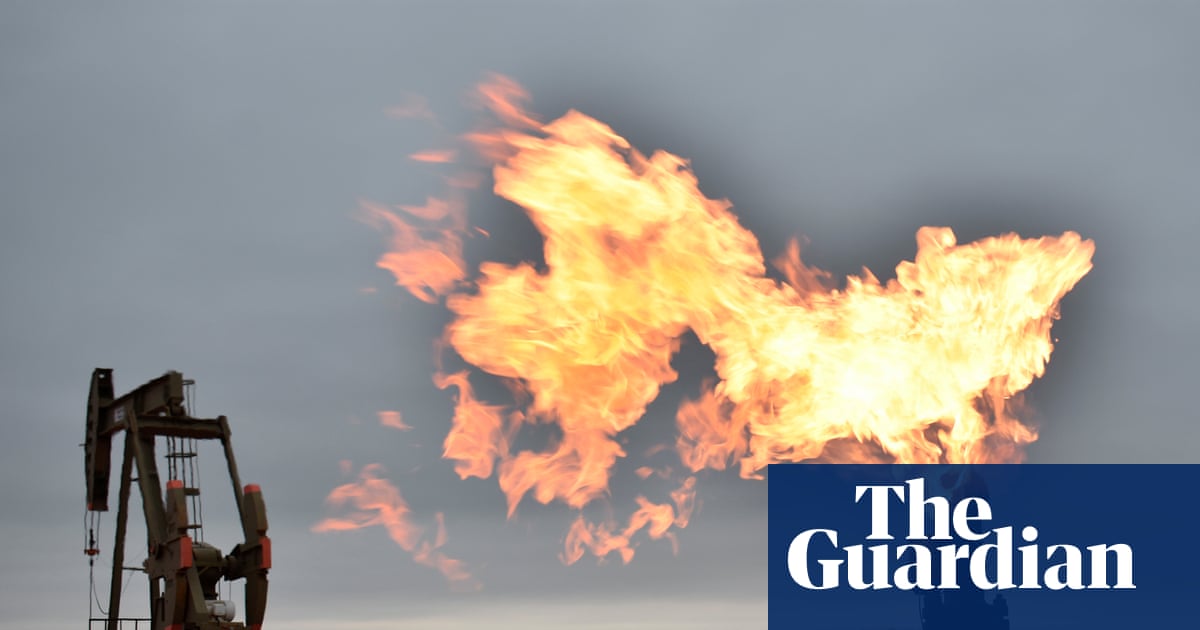
The International Energy Agency says methane emissions from fossil fuels remained near record highs in 2025 and that existing abatement measures could make about 200 billion cubic metres of gas available annually. The agency says the Middle East crisis is underscoring the energy-security case for faster action.
The International Energy Agency says tackling methane emissions would strengthen energy security at a time of crisis, while also cutting a major source of waste in the fossil-fuel system.
In its Global Methane Tracker 2026, published on May 4, the IEA said methane emissions from fossil fuels remained at very high levels in 2025 and showed no clear global decline. The agency said existing abatement measures could make about 200 billion cubic metres of natural gas available annually.
The IEA linked the issue directly to the current Middle East crisis, arguing that methane cuts can help improve gas market security by freeing up supply that is otherwise lost to leaks and flaring. The report was launched at a high-level methane action event convened by France’s G7 presidency in Paris.
The report adds to pressure on governments and energy companies to cut emissions from oil, gas and coal operations. The IEA did not announce new binding targets in the release, but its message is clear: methane reduction is now being framed not just as a climate measure, but as a near-term energy-security tool.
The main question now is whether the report translates into fresh policy commitments, corporate promises or faster implementation of methane-control measures in the weeks ahead.
Revision note
Initial automated publication.