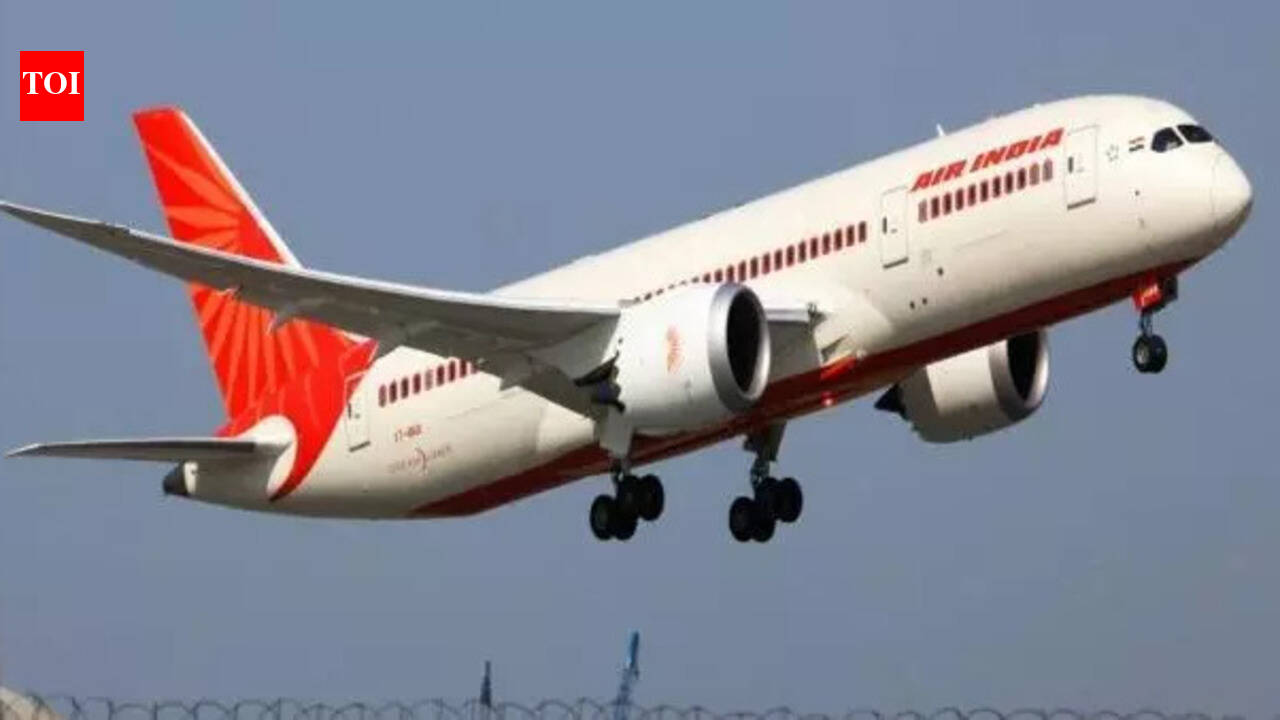
Tata Group has told Air India to prioritize loss reduction, according to reporting that says the airline is considering deferred aircraft deliveries, fewer flights and a slower expansion plan. The shift follows earlier reports that delivery delays and supply-chain constraints have complicated growth plans, while Air India Express has already begun trimming some expansion plans.
Air India is moving from expansion mode toward tighter cost control after Tata Group told the carrier to focus on cutting losses, according to reporting published on June 13, 2026.
The reported directive comes as Air India weighs changes that could include deferring aircraft deliveries, cutting flights and postponing parts of its expansion plan. If carried through, those steps would slow the pace of growth at both the mainline airline and the wider Air India Group.
A sharper focus on losses
The latest reporting suggests Tata Group is pressing for a more immediate emphasis on profitability after a period in which Air India has been rebuilding its network, fleet and operations following privatization.
Air India has spent the past several years trying to reset its business under Tata ownership. That turnaround has included a push to rebuild the airline’s foundations while also pursuing fleet growth and network expansion.
But the carrier’s growth plans have been under pressure from delivery delays and supply-chain constraints. Those issues have already made it harder to execute the expansion Air India had been planning.
Chronology of the shift
The June 13 report is the clearest sign yet that the group is now prioritizing losses over pace of growth. It follows earlier June 9 reporting that Air India CEO and MD Campbell Wilson said aircraft delivery delays and supply-chain issues were hurting growth plans.
That earlier background matters because it shows the current cost-cutting push is not happening in a vacuum. Air India was already dealing with a slower-than-planned rollout of capacity before the latest reporting said Tata Group had told the airline to focus on reducing losses.
On June 9, separate reporting also said Air India Express had postponed its planned launch at Noida International Airport and would not operate from Hindon, citing cost-cutting pressures within the group. That suggests the push for discipline is affecting more than one part of the Air India portfolio.
Fleet and network implications
If Air India does defer aircraft deliveries, the effect would likely be felt first in the pace of fleet expansion. Fewer aircraft entering service on schedule would make it harder to add capacity quickly or open new routes as aggressively as planned.
Cuts to flights would also signal a more defensive approach to network management. That could mean fewer near-term additions to the schedule and a slower push into markets that were expected to benefit from the carrier’s expansion strategy.
Postponing expansion plans would reinforce that shift. Rather than building out capacity as quickly as possible, the group would be signaling that financial discipline now takes priority over speed.
Air India Group context
The reported cost focus extends beyond the mainline Air India brand. Air India Express is already showing signs of the same pressure, with June 9 reporting that it had pulled back from planned launches as part of group-wide belt-tightening.
That makes the Tata directive more significant than a single-route or single-aircraft adjustment. It points to a broader reset in how the Air India Group is managing growth, capital spending and near-term losses.
The airline remains in a turnaround phase after privatization, and the latest reporting suggests that the next stage of that turnaround may be more constrained than previously expected.
What is known and what is not
What is publicly supported at this stage is that Tata Group has told Air India to focus on cutting losses, and that the airline is considering steps such as delivery deferrals, flight reductions and delayed expansion.
What is not yet confirmed is which aircraft deliveries would be deferred, which routes would be cut first or whether Tata Group or Air India will issue a formal public statement on the scope of the changes.
For now, the clearest read is that Air India’s growth story is entering a more cautious phase. The airline still faces the same delivery and supply-chain constraints that have complicated its turnaround, but those pressures are now being paired with a more explicit demand to improve financial performance.
What to watch next
The next key development will be whether Air India or Tata Group confirms any specific delivery deferrals or route changes. Another point to watch is whether Air India Express announces further changes tied to the same cost-cutting effort.
Any official update from Campbell Wilson or Tata leadership would help show how broad the cutbacks may be and how quickly the group intends to move from expansion to restraint.
Revision note
Initial automated publication.