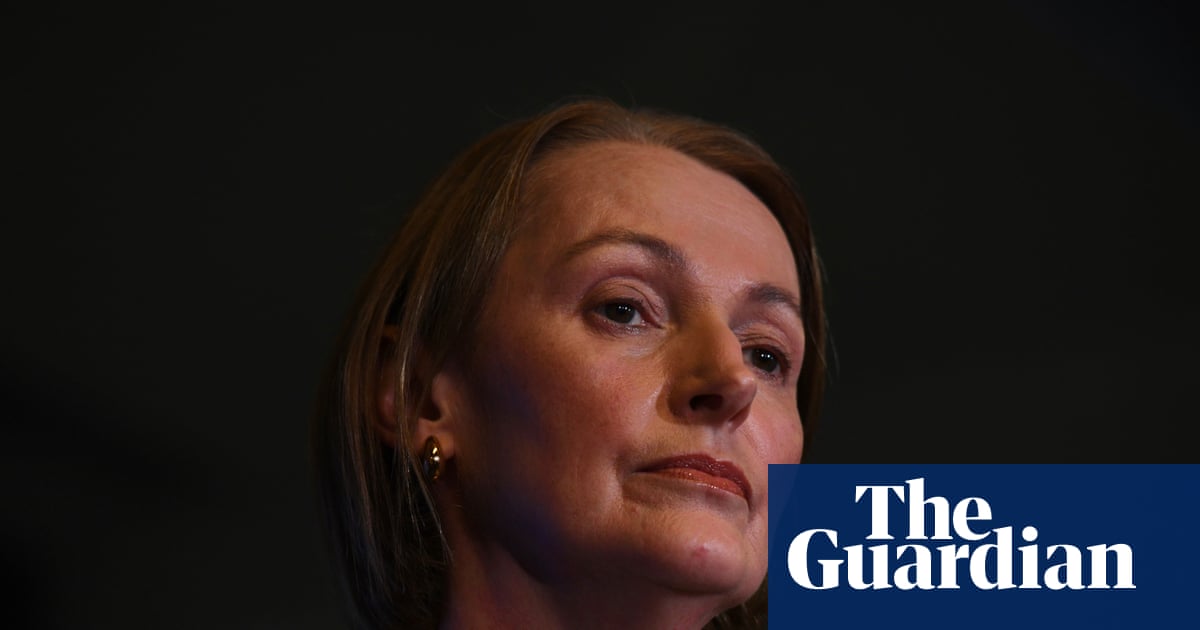
Telstra CEO Vicki Brady has apologized after a July 8 network outage that disrupted emergency calls, regional transport and payments. Telstra says a software fault in its time-keeping systems caused the failure, while regulators and police investigate possible consequences.
Telstra CEO Vicki Brady has apologized after a major network outage that Telstra says was caused by a software fault in its time-keeping systems and disrupted emergency calls, rail services and payments.
The outage began on July 8 and quickly became more than a routine mobile-service failure. It affected triple-zero calling, regional transport and some payment systems, turning a technical problem into a public-safety and infrastructure incident.
Reporting says Telstra carried out 639 welfare checks during the disruption, reflecting the scale of the concern. Seven people required assistance after emergency-call failures.
Brady returned early from an overseas trip to address the fallout and said the company was deeply sorry. Telstra has said it will investigate what happened and review its response.
What happened
The disruption started early on July 8 and was not fully contained immediately. Reporting says an initial fix was put in place temporarily, but residual problems continued before services were gradually restored.
That chronology is significant because the outage lasted long enough to affect multiple systems and prompt a wider response from Telstra, emergency services and regulators.
Telstra said the root cause was a software defect in its time-keeping systems that made network equipment register the wrong date and time. The company has not described the event as a cyberattack.
Reporting also indicates Telstra had previously been aware of the risk of a time-keeping failure, which is likely to intensify scrutiny of how the fault developed and why it was not contained sooner.
The public impact extended beyond mobile users. Regional train services were disrupted, and payment systems were affected, showing how a carrier outage can ripple into transport and commerce.
Emergency calls and safety checks
The most serious consequence was the effect on triple-zero emergency calls. Early reporting differs on some of the totals, but all accounts agree that the number of failed calls was in the hundreds and that the failure raised immediate safety concerns.
Telstra's welfare checks were aimed at making sure people who may have been affected were safe and able to get help. Reporting says the company completed 639 checks during the incident.
South Australia Police and the coroner are also reviewing whether a reported death was linked to the outage. Telstra has said it has no record of a failed emergency call from the family involved, but that review is continuing.
Regulatory and political scrutiny
Australia's communications regulator, ACMA, is investigating the incident. Officials have said Telstra could face civil penalties of up to $30 million, depending on what the inquiry finds.
Communications Minister Anika Wells and Victorian Premier Jacinta Allan have been among the officials commenting on the fallout, as the outage drew criticism over both the technical failure and the public response.
The central questions now are not just how the outage happened, but why a fault in a core timing system was able to spread so widely and affect services that people depend on in emergencies.
Telstra's own explanation points to a software and synchronization problem rather than a deliberate attack. That makes backup controls, monitoring and escalation procedures especially important in the next phase of the investigation.
What comes next
Telstra's internal review is expected to focus on the exact chain of failure and on why backup measures did not prevent a wider outage.
Investigators will also examine the true scale of the emergency-call disruption, since early reporting has varied on some totals even as all accounts confirm the impact was severe.
The South Australian death probe remains a major unknown, along with any finding on whether the outage contributed to that case.
Customers and governments are also likely to push for answers on compensation, refunds or wider penalties beyond case-by-case remedies.
For now, the core facts are clear: a software fault in Telstra's time-keeping systems triggered a major outage, emergency calls were affected, transport was disrupted and regulators are now examining the public-safety consequences.
Revision note
Initial automated publication.