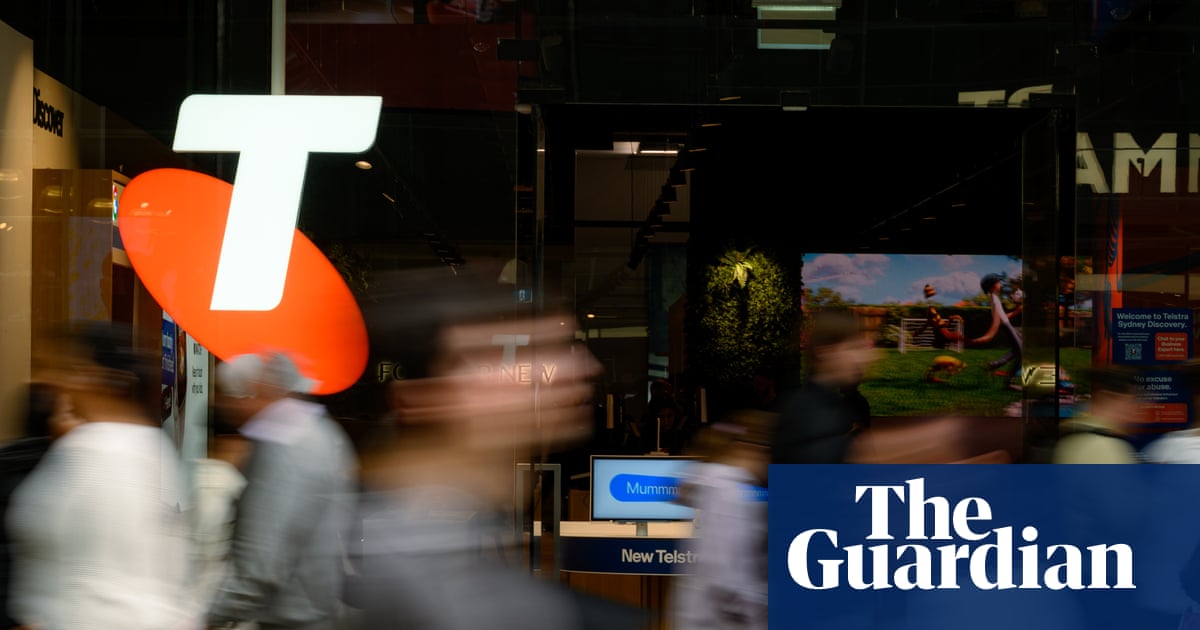
Telstra said a secondary issue was still affecting some triple-zero calls on July 9 after its major outage, while Victoria and NSW regional rail services remained disrupted.
Telstra said a secondary issue was still affecting some triple-zero calls on Thursday, July 9, after its major network outage had initially been restored, leaving emergency services and regional rail operators dealing with the aftermath.
The company said the residual problem had been reduced by 90% by about 6.30am, but officials said the disruption was not fully over. Communications Minister Anika Wells said some calls were still going straight to message bank or failing to connect, while Industry Minister Tim Ayres said 100% restoration was the only acceptable outcome and backed a full investigation.
Emergency-call fallout
Telstra said it had carried out more than 300 welfare checks after emergency-call failures, and six people required immediate assistance. The company said the outage was caused by a software fault that reset the GPS node used for network time synchronisation, and it said the incident was not a cyberattack.
The secondary triple-zero issue turned the outage from a broad mobile-network failure into a direct public-safety problem. Even after the main network outage was said to be resolved, officials and emergency services were still dealing with the possibility that some callers could not reliably reach triple zero.
Victorian authorities had also been checking the impact on their emergency systems. Triple-0 Victoria said its systems were operational, but reporting on the morning of July 9 showed the situation was still being monitored closely as more affected calls were identified.
Rail disruption continues
The transport fallout also continued into Thursday morning. Victoria’s V/Line regional network remained suspended, including through the morning peak, after Telstra’s 4G network was said to be interfering with the backup satellite phones used when the mobile network was unavailable.
That left regional passengers in Victoria stranded or delayed even after the main Telstra outage had been declared fixed. V/Line chief executive William Tieppo said the disruption was tied to the telecom failure’s effect on backup communications rather than to a normal timetable issue.
New South Wales regional train services were also affected. Some services were replaced by buses, while limited trains resumed on parts of the Southern Highlands and Hunter lines.
The rail disruption underscored how much transport operators depend on telecom redundancy when a carrier network fails. In this case, the same outage that affected ordinary mobile service also interfered with the systems used to keep regional rail moving during a communications breakdown.
How the outage unfolded
The disruption began on July 8, when Telstra’s mobile network failed across a wide area and affected ordinary service, emergency calling and transport systems. Telstra later said the main outage had been restored, but the aftermath continued into the next day.
The Guardian reported shortly after midnight on July 9 that triple-zero glitches and train disruption were still continuing. By early Thursday morning, Telstra said the secondary triple-zero issue had been sharply reduced, but not eliminated.
The company’s explanation has focused on the software defect that reset the GPS node used for network time synchronisation. That caused a wider network breakdown, then exposed weaknesses in emergency-call routing and backup communications once the initial outage had been brought back.
Political and regulatory scrutiny
The episode has drawn immediate political scrutiny because it affected emergency calling as well as transport infrastructure. Ayres said the only acceptable outcome was full restoration, not partial improvement, and he supported a full investigation into what happened.
The outage also raises broader questions about resilience in critical communications infrastructure. Australia’s emergency-call system and regional transport networks both rely on backup arrangements that are meant to keep operating during a telecom failure, but the July 8-9 disruption showed how those backstops can still be vulnerable.
For now, the immediate questions are whether Telstra can fully restore stable triple-zero routing, when Victoria’s V/Line services can return to normal, and how many emergency calls were ultimately affected across states and territories.
Further attention is likely to fall on the formal investigation and on whether the software fault, the network reset and the backup-system failures point to a wider resilience problem in critical telecom infrastructure.
Revision note
Initial automated publication with fuller chronology and public-safety context.