Telstra’s major outage on July 8 disrupted mobile services, triple-zero calls and regional rail operations in South Australia. Telstra said a software defect caused the fault and that services were restored by late afternoon.
Telstra’s major outage on July 8 turned a network failure into a public-safety incident, disrupting mobile services, affecting triple-zero emergency calls and forcing regional train services in South Australia to stop.
The company said the problem was caused by a software defect that affected time-keeping or time-synchronization systems. Telstra said there was no indication the outage was caused by malicious activity.
The disruption began around 4:30 a.m. local time, according to reporting, and Telstra said services were restored by late afternoon AEST.
Emergency calls and welfare checks
The most serious impact was on triple-zero calling. Reporting said the outage affected the ability of some customers to reach emergency services, elevating the incident from a consumer connectivity problem to a broader public-safety failure.
Telstra carried out 333 welfare checks after failed triple-zero calls, and six people needed immediate assistance, according to reporting.
South Australia Police, SA Ambulance and other emergency agencies were among the organisations affected by the disruption. Authorities said they would review the incident, including Telstra’s handling of emergency-call obligations.
The episode is likely to add to scrutiny of the resilience of Australia’s emergency-call systems. Telstra is the country’s largest mobile network operator and a critical part of the communications chain for dependent providers.
Rail network shutdown
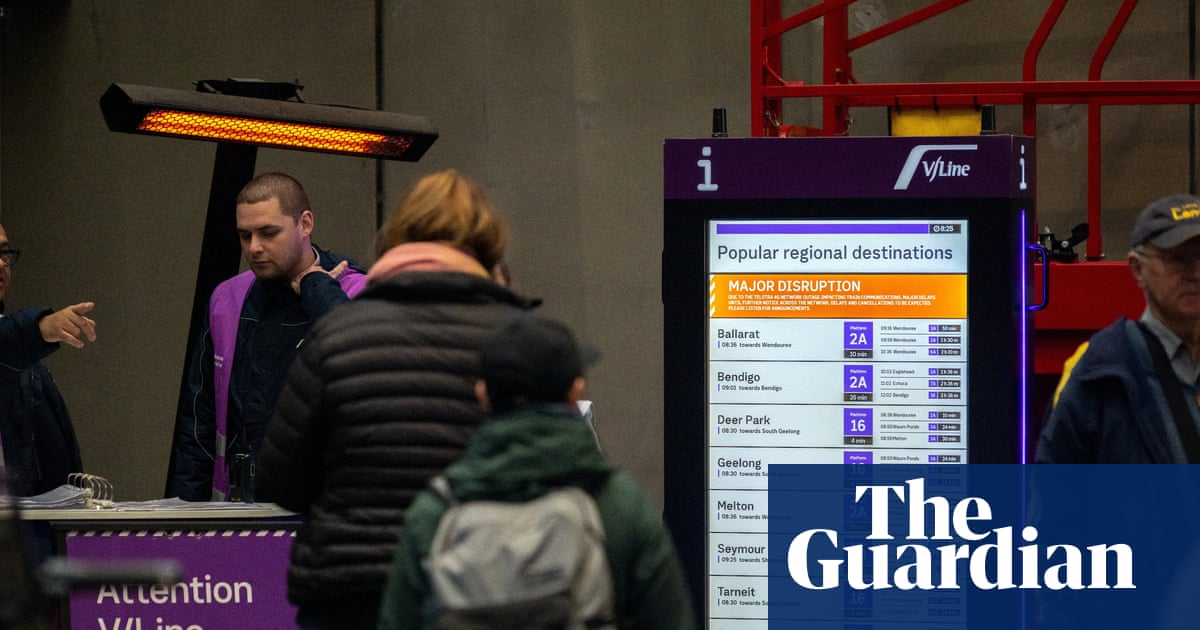
The outage also hit transport, with regional train services halted as a safety precaution while emergency communications were impaired.
Reporting said the shutdown affected Australia’s regional rail network, including long-distance services such as The Ghan and the Indian Pacific.
In South Australia, the rail closure added another layer of disruption for commuters and travellers already dealing with mobile service problems. The decision linked telecom reliability directly to transport safety.
Telstra’s explanation
Telstra’s account centres on an internal technical fault rather than an external attack. The company has said a software defect interfered with timing systems used across the network.
That explanation matters because it suggests the outage stemmed from a systems failure rather than a malicious act. It also raises questions about redundancy, monitoring and how a timing problem was able to cascade into both emergency and transport impacts.
The company’s restoration of services by late afternoon reduced the immediate disruption, but it did not resolve the wider questions about how the outage spread or how many emergency calls were affected in total.
What happens next
Authorities are expected to examine the incident, including whether Telstra met its emergency-call obligations and how it responded once the fault became clear.
The Australian Communications and Media Authority is among the bodies likely to face pressure to scrutinise the outage, while rail operators and emergency agencies may also issue after-action statements.
For now, the confirmed picture is clear: a Telstra network failure disrupted mobile service, impaired triple-zero calling, triggered welfare checks and forced South Australia’s regional train network into a safety shutdown before services were restored later in the day.
,Revision note
Initial automated publication with expanded chronology and verified public-safety context.